The fragile hope for de-escalation in the Middle East has been shattered, as Hezbollah unequivocally rejected a US-brokered ceasefire plan between Israel and Lebanon. This decisive rejection, announced on Thursday, June 4, 2026, by Hezbollah’s leader Naim Qassem, significantly escalates tensions, threatening to widen the conflict and further destabilize global energy markets already reeling from regional disruptions.
Qassem publicly denounced the proposal as “absurd, humiliating and insulting” and a “roadmap to annihilate part of the Lebanese people.” His statement effectively torpedoes an agreement that had been announced just a day prior by the US, Israel, and Lebanon. Hezbollah’s leader demanded a complete Israeli withdrawal from Lebanon and vowed that the group would not cease fighting as long as Lebanese villages were being bombed and its people killed. He asserted that northern Israel would not be safe otherwise, signaling a continued, aggressive stance.
The ceasefire agreement, unveiled on Wednesday, June 3, 2026, was contingent on Hezbollah halting all fire and withdrawing its fighters from areas south of the Litani River in Lebanon. It also proposed the creation of “pilot security zones” in southern Lebanon, where the Lebanese Armed Forces (LAF) would assume exclusive control, explicitly excluding all non-state actors. However, a critical flaw in the diplomatic effort was Hezbollah’s exclusion from these negotiations, which were held in Washington. Their absence from the table appears to have rendered the entire exercise moot.
Following Qassem’s swift rejection, Israel’s Security Cabinet refrained from voting on the ceasefire proposal. Israeli Prime Minister Benjamin Netanyahu reportedly stated that “at the moment there is no agreement” and that he would only bring it for approval if Hezbollah formally accepted it. This diplomatic impasse underscores the deep chasm separating the warring parties. Despite the announced ceasefire and ongoing diplomatic efforts, both Israeli forces and Hezbollah continued to exchange strikes on Thursday, June 4, 2026, demonstrating the immediate and violent implications of the breakdown.
Israeli Defense Minister Israel Katz affirmed that Israeli military presence and operations in southern Lebanon would continue, with forces remaining in the security zone without the return of the Lebanese population. This stance directly clashes with Hezbollah’s demands for a complete Israeli withdrawal, setting the stage for prolonged confrontation.
Hezbollah Rejects Ceasefire Amidst Rising Casualties
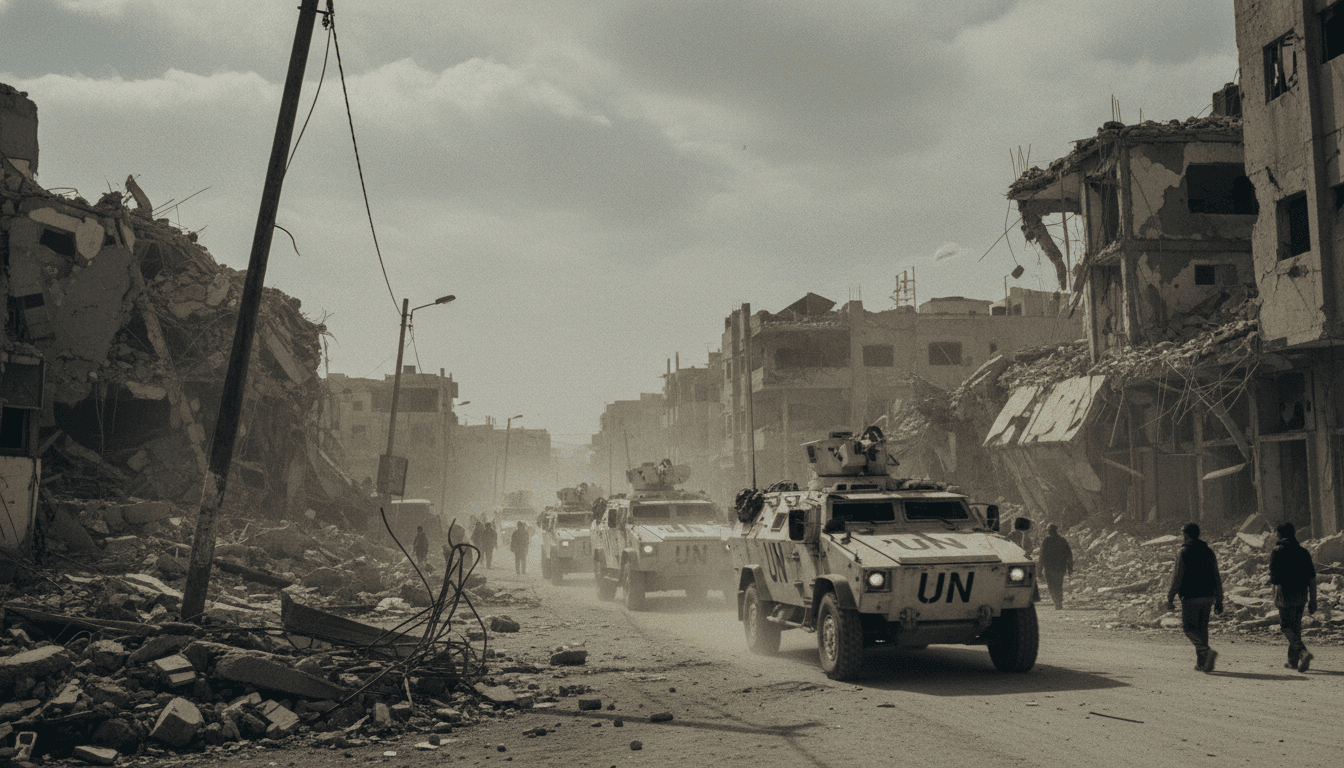
The human cost of this protracted conflict continues to mount. Amidst the ongoing violence, a UN peacekeeper was killed and two others were injured on Thursday, June 4, 2026, when mortar rounds struck their position near Marjayoun in southeastern Lebanon. The deceased peacekeeper was identified as Sergeant Milovan Jovanovic of Serbia’s 27th Mechanized Battalion, who would have turned 37 on Saturday. The two injured peacekeepers were Spanish nationals. This tragic incident marks the seventh peacekeeper killed in Lebanon since hostilities reignited on March 2, 2026. The UN Interim Force in Lebanon (UNIFIL) has launched an investigation into the attack and condemned the killing, reiterating that attacks on peacekeepers are grave violations of international humanitarian law.
The fighting in Lebanon has been ongoing since March 2, 2026, and has resulted in at least 3,516 deaths and 10,674 injuries in Lebanon, according to the country’s Health Ministry. These grim figures highlight the devastating impact on civilian populations and the urgent need for a resolution that now seems more distant than ever.
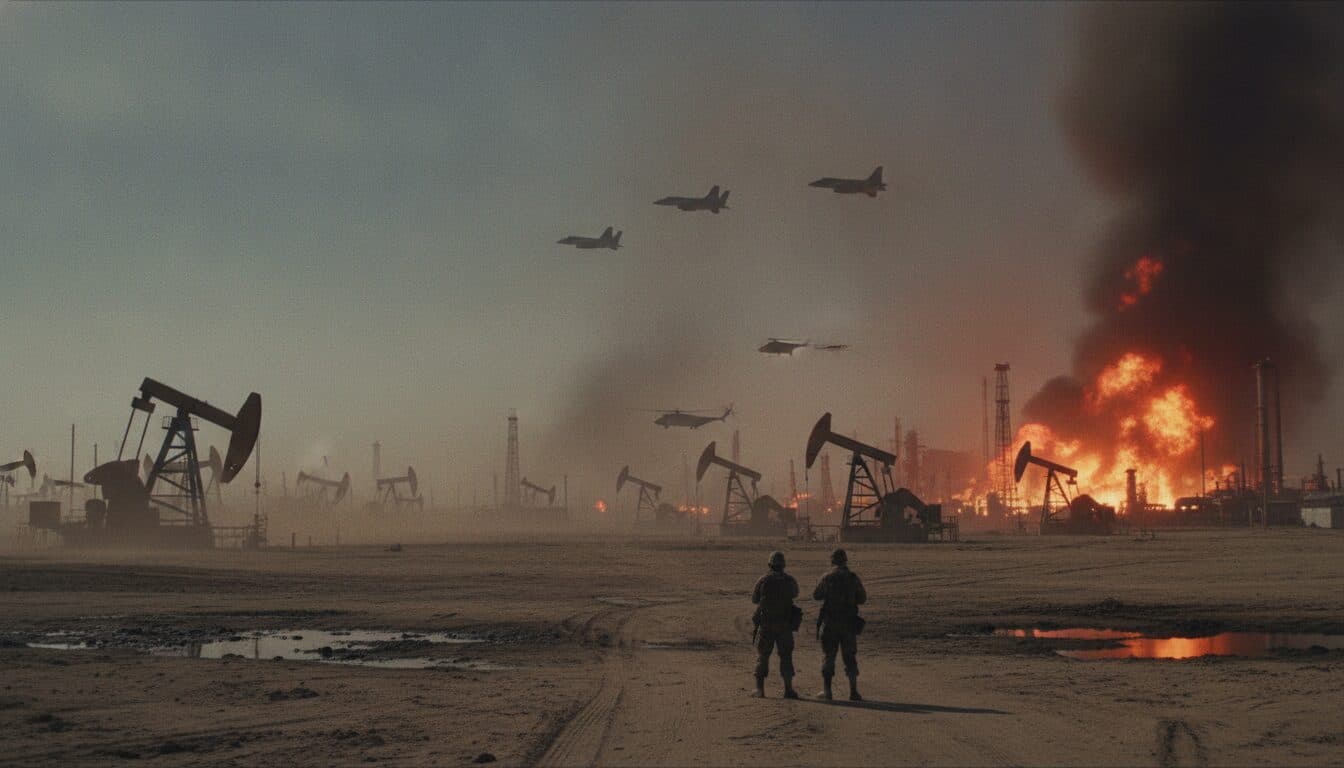
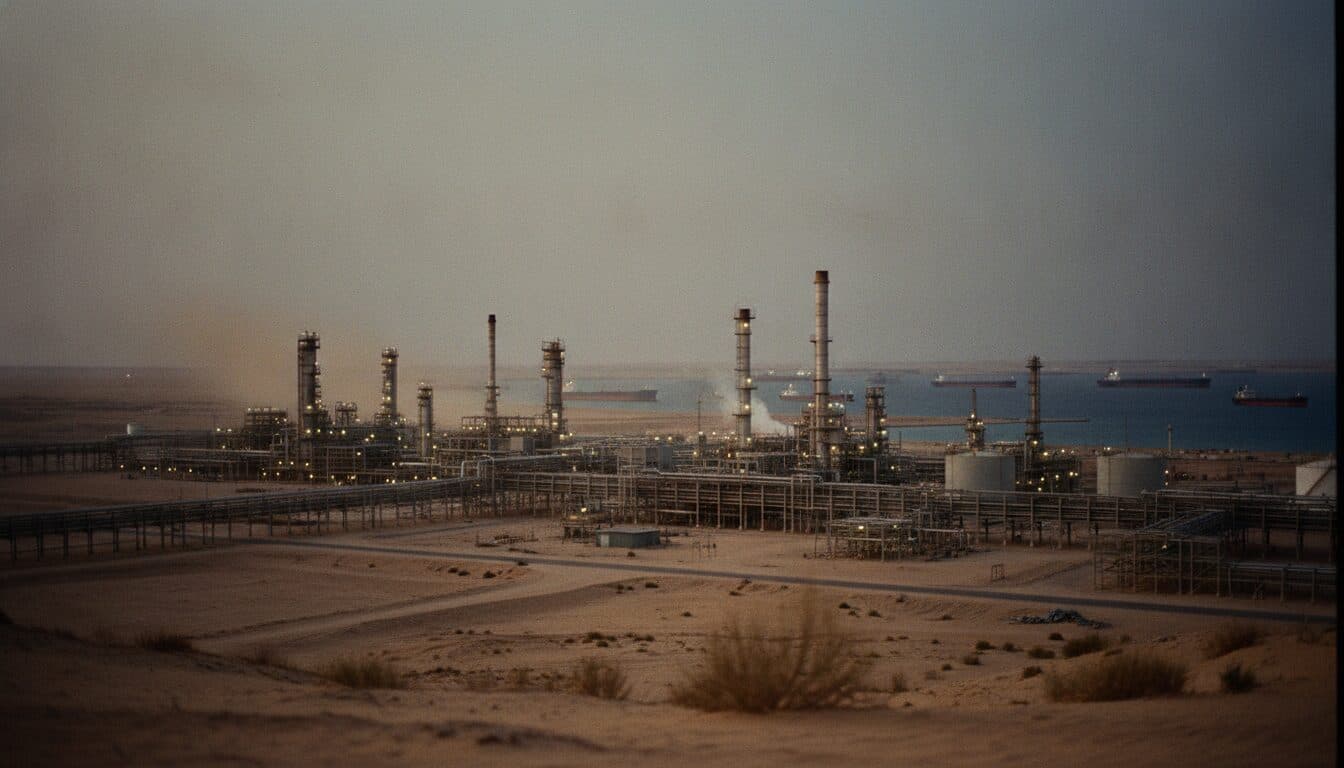
The current escalation further jeopardizes efforts to end the broader Iran war and reopen the Strait of Hormuz, a critical transit point for oil and gas. The closure of this vital waterway has already significantly impacted the global economy, causing price volatility and supply chain disruptions. Iran has consistently maintained that a ceasefire in Lebanon is a prerequisite for any peace deal with the US, linking the fate of the two conflicts. Lebanese President Joseph Aoun had described the US-brokered deal as the “last chance to enter a final and comprehensive ceasefire,” a sentiment that now rings with a tragic irony given Hezbollah’s rejection.
“Hezbollah’s rejection of the ceasefire proposal signals a dangerous new phase in the regional conflict. It underscores the limitations of external mediation when a key non-state actor feels its core demands are not addressed, and it significantly raises the risk of a wider conflagration with severe economic and human costs.”
For investors and global markets, the immediate fallout from Hezbollah’s rejection will likely be seen in heightened oil and gas prices. The continued threat to the Strait of Hormuz, coupled with ongoing instability in a major oil-producing region, creates an environment of extreme uncertainty. Defense stocks may see a temporary uptick, while sectors reliant on stable energy prices and global trade routes could face headwinds. The prospect of a prolonged conflict also casts a shadow over reconstruction efforts and foreign investment in Lebanon, a nation already grappling with severe economic challenges. Related trending articles highlight the broader economic implications of regional instability.
Looking ahead, the immediate future appears bleak. Without a direct channel for negotiation with Hezbollah, and with both Israel and the group maintaining their maximalist positions, the path to peace remains obstructed. International mediators will need to reassess their strategy, potentially exploring new diplomatic avenues or increasing pressure on all parties. The risk of miscalculation leading to a full-scale regional war is higher than it has been in months, with devastating consequences for the people of the Middle East and the global economy. The world watches anxiously as the Middle East tensions escalate.