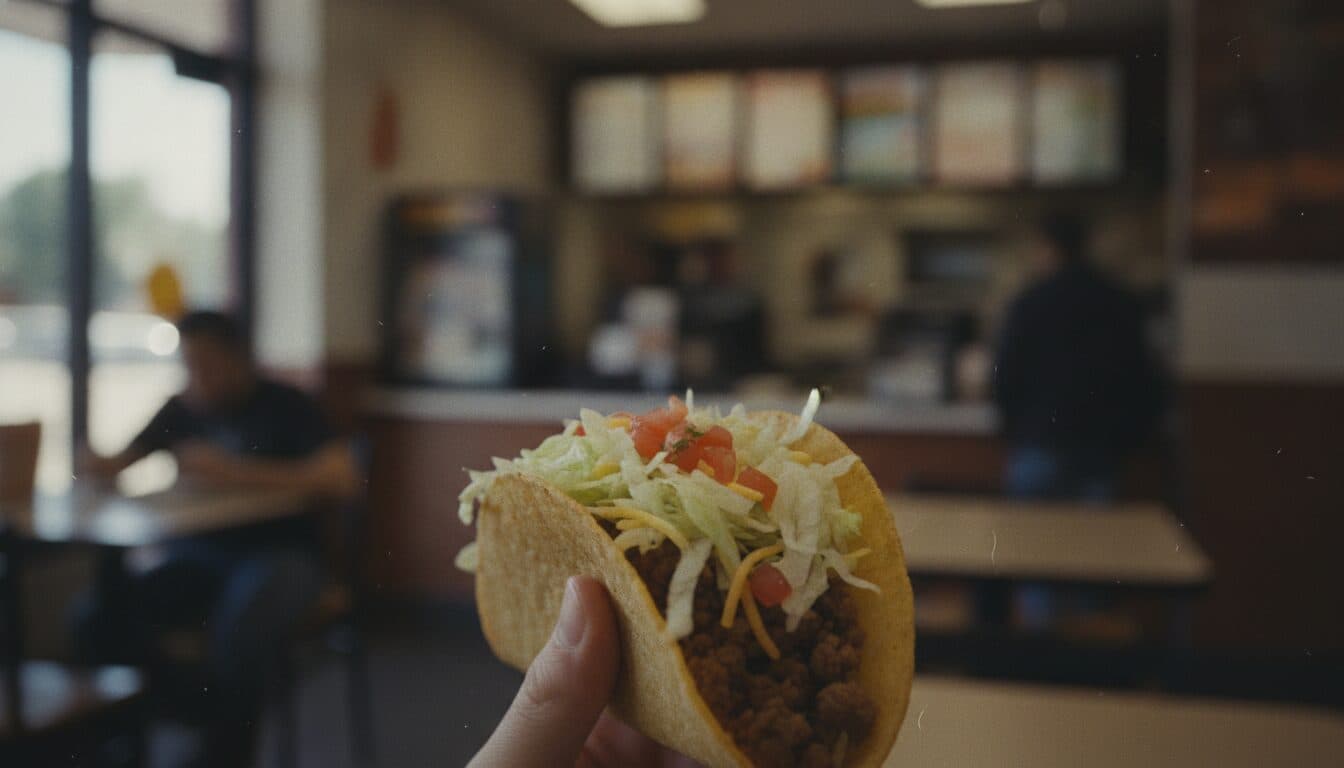
A widespread outbreak of cyclosporiasis linked to shredded iceberg lettuce at Taco Bell restaurants has sickened more than 1,644 individuals across five states, casting a harsh spotlight on food safety protocols within the fast-food industry and its complex global supply chains. The Centers for Disease Control and Prevention (CDC) and the Food and Drug Administration (FDA) confirm 94 hospitalizations have resulted from the Taco Bell lettuce outbreak, with illnesses reported between May 13 and July 13, 2026.
The affected states – Indiana, Kentucky, Michigan, Ohio, and West Virginia – are grappling with the fallout from the parasitic infection, *Cyclospora cayetanensis*. This microscopic parasite, known for causing watery diarrhea, fatigue, and significant weight loss, can lead to prolonged illness if left untreated, sometimes lasting for a month or more, with symptoms potentially recurring.
Taylor Farms de Mexico Implicated in Cyclospora Outbreak
The source of the contaminated lettuce has been traced to Taylor Farms de Mexico, a major supplier of shredded iceberg lettuce from central Mexico. On July 17, 2026, the company announced a voluntary removal of all iceberg lettuce sourced from central Mexico from the U.S. market, initiating a recall. Taco Bell, in response, has committed to ceasing the use of any lettuce from the implicated supplier and has removed the affected ingredient from its nationwide supply chain as of the same date. This swift action aims to contain the escalating public health crisis and restore consumer confidence, though the damage to brand reputation and consumer trust is already significant.
The financial implications for both Taylor Farms de Mexico and Taco Bell are substantial. Recalls, loss of sales, and potential legal liabilities stemming from a widespread foodborne illness outbreak can run into the millions. Beyond the immediate costs, the long-term impact on brand perception and market share can be even more damaging. For Taylor Farms de Mexico, this is not an isolated incident; the company has a troubling history, having been linked to a 2013 Cyclospora outbreak affecting 631 people and an *E. coli* outbreak in 2024 involving onions at McDonald’s. This recurring pattern raises serious questions about the efficacy of their food safety standards and quality control measures.
The current trending news story underscores the vulnerabilities inherent in global food supply chains, particularly for fresh produce. The journey from farm to fork, often spanning international borders, introduces numerous points where contamination can occur. Despite advancements in food safety regulations and monitoring, outbreaks like this demonstrate the persistent challenges in preventing the spread of foodborne pathogens, especially those as insidious as Cyclospora, which often requires specific diagnostic testing beyond routine stool examinations.
“The recurring nature of these outbreaks, particularly involving a single supplier, highlights systemic issues that demand more than just reactive recalls. It calls for a fundamental re-evaluation of auditing processes, traceability, and accountability throughout the entire fresh produce supply chain,” says Dr. Eleanor Vance, a public health economist.
Historically, Cyclospora infections exhibit a seasonal pattern, with cases typically peaking between May and August. The current Taco Bell lettuce outbreak falls squarely within this window, adding to a broader national trend of Cyclospora illnesses that the CDC is separately investigating. This seasonality, while understood, does not diminish the severity or preventability of such large-scale outbreaks, especially when linked to commercial food service.
Looking ahead, the investigation by the CDC and FDA will delve deeper into the specific points of contamination within Taylor Farms de Mexico’s operations. This will likely involve scrutinizing agricultural practices, water sources, sanitation procedures, and handling protocols in central Mexico. The findings could lead to stricter import regulations, enhanced supplier auditing requirements for fast-food giants, and potentially new industry standards for fresh produce processing. Consumers in the affected states are advised to remain vigilant, and anyone experiencing symptoms consistent with cyclosporiasis should seek medical attention and inform their healthcare provider about potential exposure.
The Taco Bell lettuce outbreak serves as a stark reminder for both the industry and investors of the critical importance of robust food safety frameworks. Beyond the immediate human cost and public health implications, such incidents can erode market capitalization, trigger costly legal battles, and force companies to undertake expensive overhauls of their operational procedures. For fast-food chains relying on high-volume, low-cost ingredients, the balance between efficiency and safety remains a precarious tightrope walk, with significant economic consequences for missteps.