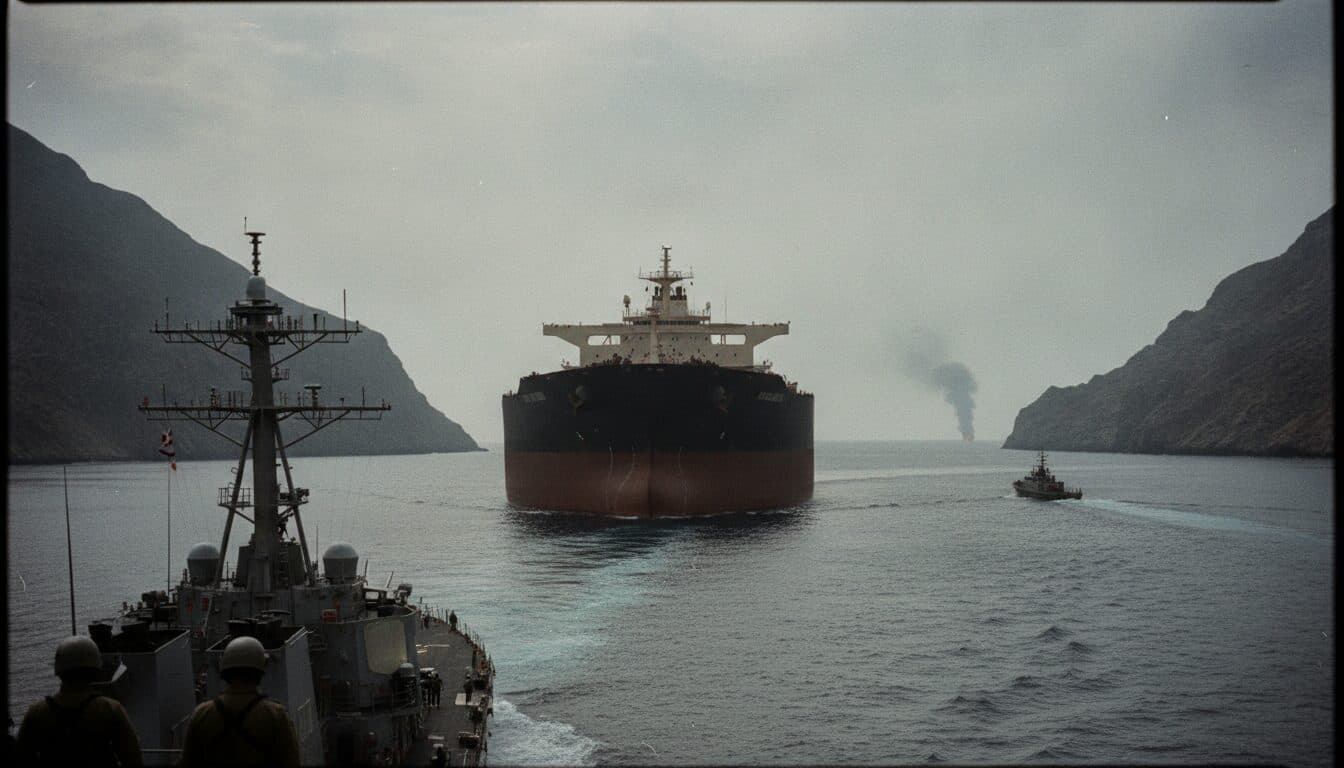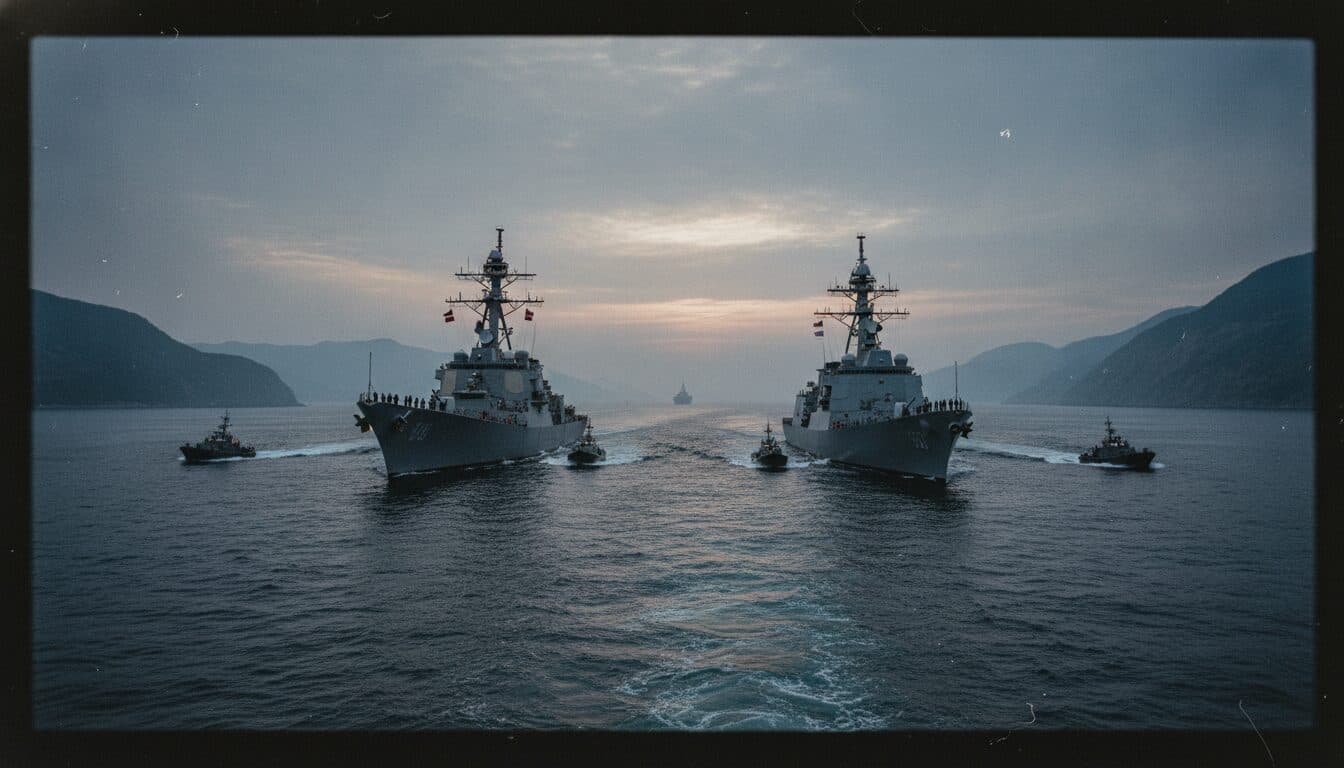
Global markets are bracing for unprecedented volatility as the United States and Iran engage in a rapidly escalating exchange of strikes, pushing the Middle East to the brink of a wider conflict and casting a long shadow over the world’s energy supply. The strategic Strait of Hormuz, a choke point for a fifth of global crude oil, remains at the heart of the intensifying hostilities, with both nations demonstrating a dangerous willingness to use military force. This dramatic escalation between the US and Iran, now in its seventh consecutive night of US strikes, has profound geopolitical and economic implications, particularly concerning oil prices and regional stability.
The latest surge in violence follows the collapse of an interim deal between Washington and Tehran, signed just a month ago, which aimed to de-escalate tensions. On Saturday, July 18, 2026, Iran announced it was suspending its commitments under that deal, citing US violations. This move came after a relentless barrage of US strikes targeting Iranian military infrastructure, surveillance sites, and critical energy facilities. US Central Command (CENTCOM) confirmed a significant strike on Friday, July 17, 2026, destroying a surveillance tower at the Chah Bahar Shahid Kalantari Port along Iran’s Gulf of Oman coastline. CENTCOM asserted the tower was a long-standing asset of the Islamic Revolutionary Guard Corps (IRGC) used to track and target commercial vessels in the Strait of Hormuz, stating its destruction “directly degrades IRGC’s ability to coordinate attacks on innocent civilian crew members.”
Beyond the port, US fighter jets, drones, and warships have pounded other vital Iranian infrastructure. Reports from Iranian state media and US officials confirm airstrikes hitting bridges in Iran’s southern Hormozgan province, including those near Bandar Khamir, and an electricity and desalination plant in Bonji, a coastal village on the Strait of Hormuz. Explosions were also reported in the central city of Yazd and the southwestern city of Ahvaz. The cumulative impact is severe; Iran’s energy ministry has advised citizens to conserve electricity and reduce air conditioning use due to the strain on the power grid. Tragically, Iranian authorities claim at least 50 people have been killed and over 500 wounded in US strikes in the past three weeks, including eight fatalities from a bridge strike on Friday. The human cost extends to US forces as well, with 13 additional US service members injured since Monday, bringing the total to 14 killed and 427 wounded since the conflict began on February 28.
Iran’s retaliation has been swift and far-reaching, targeting Gulf countries hosting US forces. On Saturday, Kuwait reported injuries and damage after an Iranian attack struck an oil facility and a power and water plant. Bahrain’s army stated its air defenses repelled a wave of Iranian assaults, with air sirens sounding repeatedly. Jordan’s state-run Petra news agency confirmed its air defense systems downed Iranian missiles, while Iraq reported shooting down attack drones over Irbil. The IRGC has issued a stark warning: countries hosting US forces should be “prepared to receive a corresponding response.” This expansion of the conflict underscores the perilous interconnectedness of regional security.
The most immediate and tangible impact of this escalating conflict is on global energy markets. The Strait of Hormuz, which Iran effectively closed to shipping traffic after the war began in February, has seen preliminary agreements for its full reopening collapse. Iran now asserts its right to control the strait and potentially charge fees, a claim vehemently disputed by the US. Crossings through the strait have fallen to a three-week low, sending crude oil prices soaring and putting significant upward pressure on global inflation. The UN maritime agency, IMO, has condemned attacks on shipping in the Strait of Hormuz, which have already claimed the lives of at least two seafarers, urging restraint and dialogue.
The current crisis is rooted in the broader context of the US-Israeli campaign against Iran, which commenced on February 28 with the stated objective of preventing Tehran from acquiring a nuclear weapon. The interim deal, signed approximately a month ago, included a 60-day ceasefire extension and renewed nuclear talks. However, it collapsed after the US introduced new conditions, notably requiring Iran to join the Abraham Accords. This demand proved to be a critical breaking point, reigniting the cycle of aggression and counter-aggression. Further signaling a potential expansion of military operations, the US has reportedly notified Israel of its intent to send dozens of additional refueling aircraft to Ben Gurion Airport. This move, reportedly favored by US President Donald Trump who is weighing a larger offensive, would further crowd the Israeli airport, potentially disrupting civilian flights and highlights a strategic decision to base the majority of the tanker fleet in Israel due to perceived lower vulnerability to Iranian missile attacks.
“The collapse of diplomatic efforts and the relentless tit-for-tat strikes between the US and Iran represent a profound failure of international diplomacy and a dangerous escalation that could destabilize the entire region,” said a senior analyst with a prominent energy consultancy. “The global economy, already grappling with persistent inflation, is now facing the very real prospect of sustained oil price shocks, with little immediate relief in sight.”
Looking ahead, the immediate future appears fraught with peril. With Iran suspending its deal commitments and the US reportedly planning a larger offensive, the possibility of a wider, more protracted conflict looms large. The targeting of civilian infrastructure, including desalination plants vital for drinking water, has drawn condemnation from human rights experts, who warn such actions could constitute war crimes. Investors and policymakers alike are closely monitoring every development, understanding that the trajectory of this conflict will profoundly impact not only regional stability but also global economic health. The escalating conflict between the US and Iran is not merely a regional dispute; it is a global flashpoint with far-reaching consequences for markets, diplomacy, and human lives. For a deeper dive into market reactions, see related trending articles on oil futures and shipping insurance premiums.
The key takeaway for readers and investors is the critical importance of monitoring the Strait of Hormuz and any further actions by either the US or Iran regarding oil transit. The current trajectory points towards sustained geopolitical risk premiums on oil prices and increased volatility across commodity markets. The diplomatic avenues for de-escalation appear increasingly narrow, making military and economic developments the primary drivers of global sentiment.