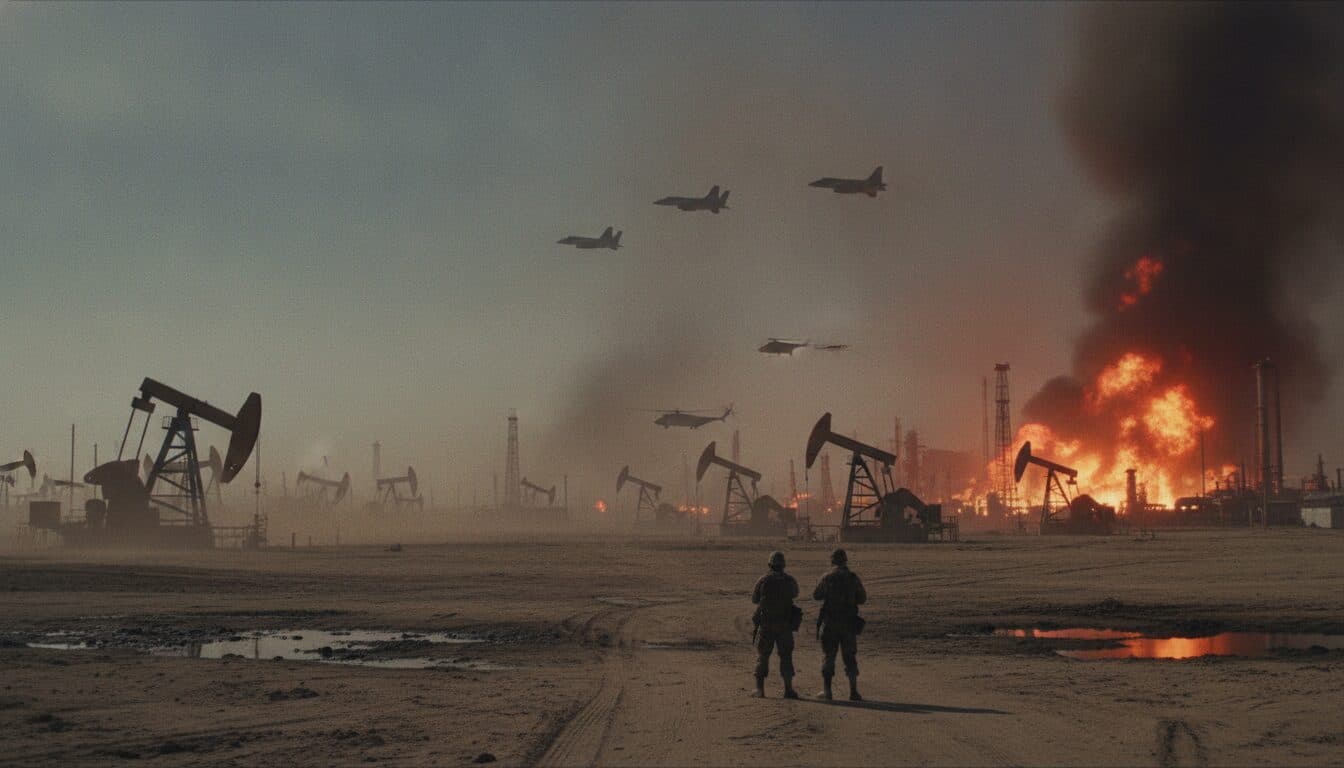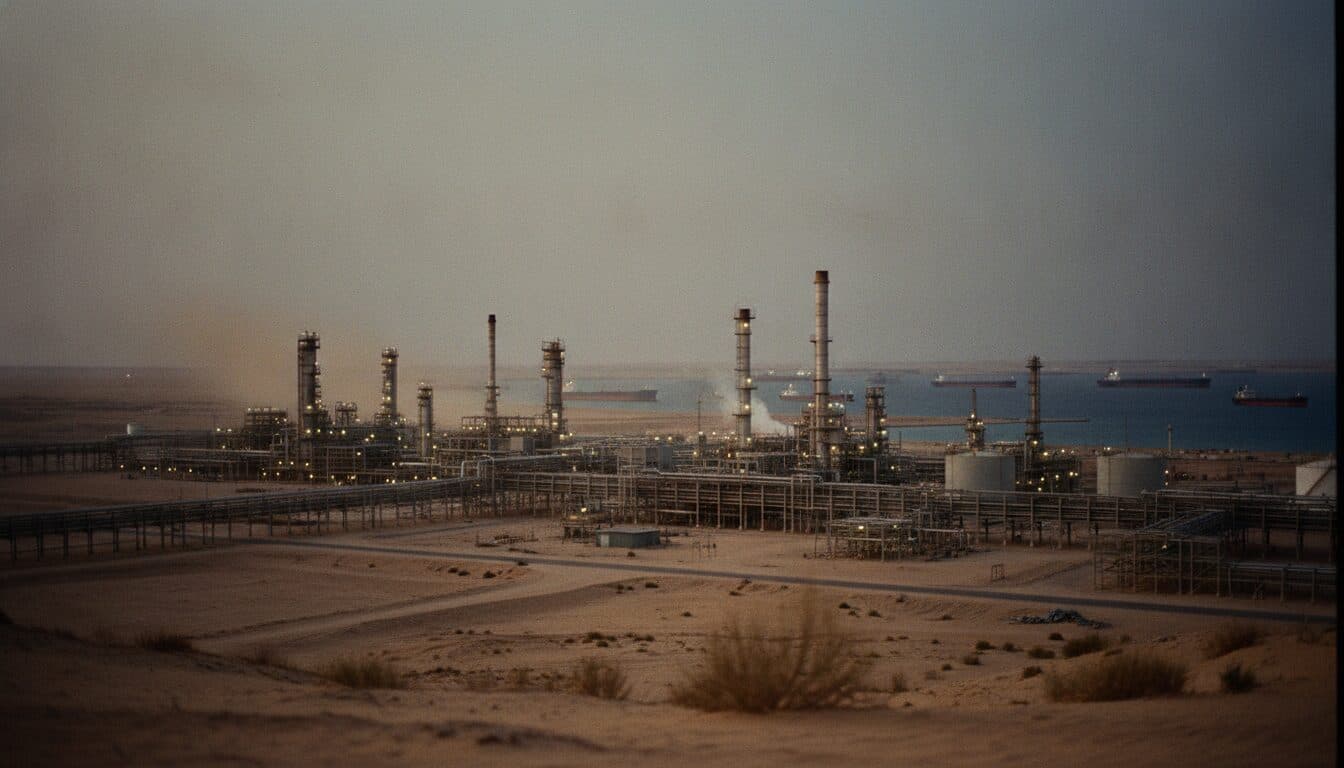
Global oil markets are once again gripped by volatility, as Brent crude soared above $90 per barrel on Monday, marking its highest level in over a month. This significant surge, which saw the international benchmark briefly touch $91.41, comes as escalating hostilities between the United States and Iran in the Middle East fuel fears of widespread supply disruptions. The immediate financial implications for consumers worldwide are stark, with potential increases in gasoline prices and broader inflationary pressures looming.
The renewed conflict, particularly around the crucial Strait of Hormuz, has sent shockwaves through energy markets. US West Texas Intermediate (WTI) crude also advanced, reaching $84.68 per barrel. These price points represent the highest levels since early June, building on Brent crude’s robust 15.9% rally last week – its strongest weekly performance since April 2026. WTI front-month prices similarly gained 15.5% last week, underscoring the market’s heightened sensitivity to geopolitical risk.
Strait of Hormuz Tensions Drive Oil Prices Surge
The Strait of Hormuz, a narrow waterway through which approximately one-fifth of the world’s crude oil volume passes, has become the focal point of the crisis. Shipping activity in the Strait has visibly slowed, with only four vessels transiting on Sunday, a sharp decline from eight the previous day. This slowdown reflects palpable concerns among shippers and insurers about the safety of passage amidst the escalating military confrontation.
The US has conducted its ninth consecutive night of strikes against Iran, following the deaths of at least three US service members since Friday. US Central Command confirmed a service member was killed in Iraq and unidentified remains were discovered at an Iranian missile attack site in Jordan. Iran has responded with retaliatory strikes on US military bases in the Middle East and claimed two oil tankers exploded and were immobilized near the Strait of Hormuz after attempting to transit an “unsafe shipping lane.” Iran’s Revolutionary Guard Corps (IRGC) alleged these vessels were encouraged by the US military to use this passage, warning that the Strait will remain unsafe as long as US “aggression” continues, and vowing that not “a single drop of oil and gas” will pass through if its navigation rules are violated. This alarming rhetoric follows the unraveling of a fragile ceasefire agreement signed a month ago between the US and Iran.
“ICE Brent broke above $90 per barrel this morning with no let-up in the escalation in the Gulf. If this escalation goes unchecked, we could return to an environment of wide-scale attacks across the Gulf.”
Analysts from ING highlight the gravity of the situation, warning that unchecked escalation could lead to widespread attacks across the Gulf, further imperiling global energy supplies. Morgan Stanley projects European stockpiles to fall steadily from August, reaching their lowest level in November, signaling potential tighter supply conditions ahead.
Economic Fallout and Inflationary Pressures
The impact of rising oil prices extends far beyond the energy sector, contributing significantly to global inflation risks. In the United States, gasoline prices have climbed back to $4 a gallon, directly affecting household budgets and consumer spending. This inflationary pressure is a critical concern for central banks worldwide, many of whom are still grappling with persistent price increases despite efforts to tighten monetary policy.
The International Monetary Fund (IMF) noted in July 2026 that commodity prices remain elevated. While earlier ceasefires had cooled prices from April peaks, renewed Middle East hostilities and volatile oil prices keep risks elevated. The IMF also pointed out that the oil futures curve is in backwardation, indicating higher spot prices than futures. This market structure is typically a strong signal of immediate supply disruptions and heightened geopolitical risk, reflecting traders’ expectations of tighter near-term supply.
Despite reports of diplomatic exchanges between the US and Iran via mediators, military actions have continued unabated. The US has affirmed its enforcement of a naval blockade on Iranian ports, while Iran maintains it is targeting vessels violating navigation rules in the Strait of Hormuz. This tit-for-tat dynamic creates an incredibly precarious situation, with the potential for miscalculation and further escalation ever-present. Investors and policymakers alike are watching these developments closely, understanding that a full-blown conflict could have devastating global economic consequences.
The current volatility underscores the inherent fragility of the global energy supply chain, particularly its reliance on politically unstable regions. As the world navigates this complex geopolitical landscape, the broader implications for global trade and economic stability remain a paramount concern. Businesses must prepare for increased operational costs, while consumers face the prospect of higher expenses across various goods and services.
What Lies Ahead for Global Oil Markets?
The immediate future of oil prices hinges precariously on developments in the Middle East. Any de-escalation of tensions could see prices stabilize or even retreat, but a further intensification of the conflict, particularly involving direct military engagement in the Strait of Hormuz, could push crude well beyond the $100 mark. Such a scenario would undoubtedly trigger a global economic slowdown, reminiscent of past oil shocks.
For investors, the current environment presents a challenging dilemma. While energy stocks may see short-term gains, the broader market faces significant headwinds from inflation and geopolitical uncertainty. Diversification and careful risk management are more critical than ever. Policymakers, meanwhile, are under pressure to explore diplomatic avenues while simultaneously preparing for potential economic fallout, including strategies to mitigate the impact of soaring energy costs on vulnerable populations and industries.
The surging oil prices are a stark reminder of the interconnectedness of geopolitics and global economics. As the US and Iran continue their dangerous standoff, the world holds its breath, hoping for a diplomatic resolution that can avert a broader conflict and stabilize the volatile energy markets. The longer these tensions persist, the greater the risk of prolonged logistics disruptions, reduced global crude availability, and a sustained period of high international oil prices, leading to increased transportation costs and greater inflation pressure worldwide.