The volatile standoff between the United States and Iran has ratcheted up considerably, marked by a sixth consecutive night of US strikes on Iranian civilian infrastructure and a deepening crisis in the critical Strait of Hormuz. This intensified US-Iran conflict has sent shivers through global energy markets, driving up oil prices and igniting fears of a broader conflagration with severe economic repercussions.
For nearly a month, the region has been gripped by escalating military action. As of Friday morning, July 17, 2026, renewed US airstrikes have reportedly claimed at least 38 lives and wounded over 400 across Iran since June 22. Iranian state media and officials have detailed strikes on vital civilian sites, including power facilities and a train station in Bandar Abbas, Iran’s primary port city. At least five bridges in the strategically important Hormozgan province, a key transit route for Bandar Abbas, have been destroyed or heavily damaged. Iranshahr airport in the southeastern Sistan and Balochistan province also reportedly sustained hits, along with a port control tower in Chabahar on the Gulf of Oman, which was brought down.
The human toll is stark. Among the reported casualties, 22 women were injured, three martyred, nine minors under 18 injured, and one child killed. The Iranian energy ministry has urged citizens to conserve electricity and reduce air conditioning use, particularly in the scorching southern regions, as strikes strain the power grid. These actions have drawn scrutiny from human rights experts, who warn that strikes on civilian infrastructure not being used for military purposes could constitute war crimes.
The Strait of Hormuz has emerged as the most immediate flashpoint of the US-Iran conflict. Iran’s military has declared that the Strait will not revert to its pre-war status, asserting that respect for the rights of the Iranian people is the sole path to its reopening. Brigadier General Mohammad Akraminia, an Iranian army spokesman, declared the Strait an “invincible red line” for Iran, warning that if US President Donald Trump’s threats against Iranian infrastructure were realized, Iran would retaliate by striking all infrastructure across the Gulf region. Colonel Ebrahim Zolfaghari of Iran’s Khatam al-Anbiya Central Headquarters echoed this, threatening widespread attacks on “all the infrastructure in the region.”
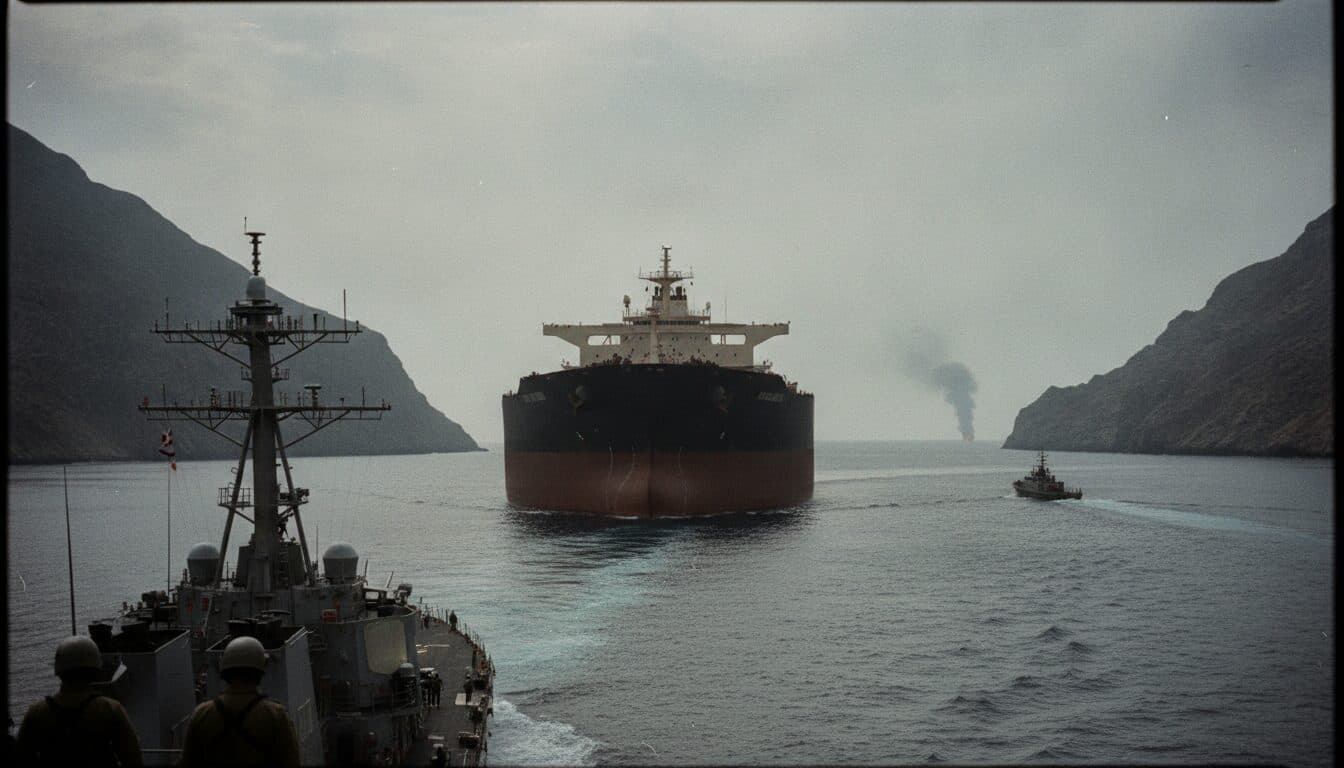
In response, the US Central Command (CENTCOM) confirmed boarding the M/T Wen Yao, a 300,000 dwt tanker, in the Gulf of Oman on July 16, 2026, to enforce its naval blockade of Iran. This “verification boarding” by US Marines from the 11th Marine Expeditionary Unit follows CENTCOM’s redirection of three other commercial vessels attempting to run the blockade and the disabling of one that did not comply. The US military also destroyed the Chah Bahar Shahid Kalantari Port surveillance tower on the Gulf of Oman, alleging its use by the Islamic Revolutionary Guard Corps (IRGC) to track and target commercial vessels.
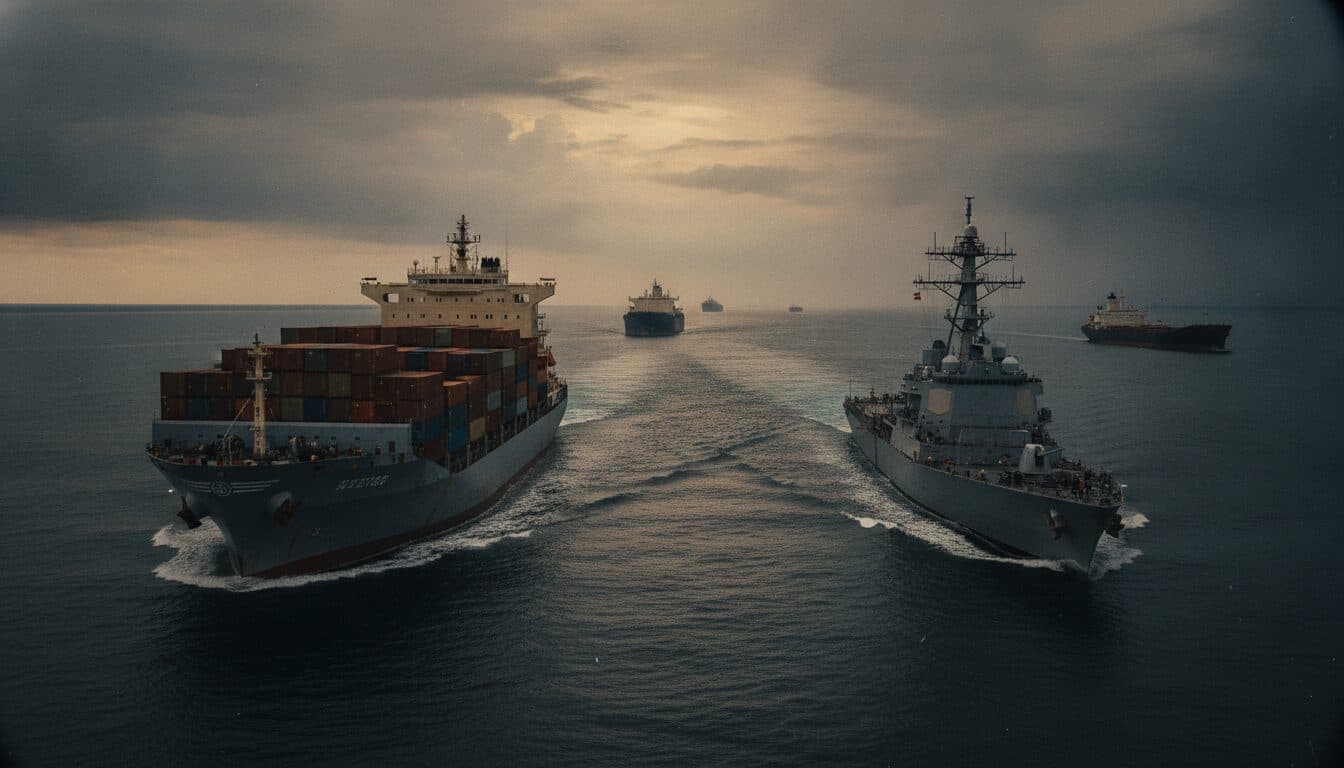
The impact on maritime trade has been immediate and severe. Shipping traffic through the Strait of Hormuz has plummeted, with vessel transits falling from 13 to seven since the US reimposed its naval blockade. This crucial waterway typically handles approximately one-fifth of the world’s oil and liquefied natural gas (LNG) trade, making the disruption a global economic threat.
Iran has not limited its response to rhetoric. The IRGC has claimed responsibility for firing on Middle Eastern nations hosting US bases. These include alleged strikes on US radar systems and military aircraft in Qatar, which Doha reported as an intercepted missile attack injuring a child. The IRGC also claimed to have targeted American fighter jets and tankers in Jordan, reportedly destroying and seriously damaging several US refueling aircraft and warplanes. Kuwait’s energy ministry reported an attack on one of its power and water desalination plants, causing a fire and damage. Bahrain also sounded emergency sirens after intercepting Iranian aerial attacks. Iraqi Kurdistan’s Prime Minister, Masrour Barzani, denounced “unjustified attacks” on the region, blaming Iran. Majid Mousavi, aerospace chief for the IRGC, stated that Iran’s strikes “will continue until peace is restored to the southern coastline and the strait of Hormuz.”
US-Iran Conflict Drives Oil Price Surge
The escalating US-Iran conflict has sent shockwaves through global oil markets. On July 17, 2026, WTI crude futures for August delivery traded at approximately $80.09 per barrel, a gain of 1.32%, while international Brent futures advanced to $85.35 per barrel, up 1.33%. This sharp rise directly reflects market repricing in the wake of Iran’s threats to target regional infrastructure if US strikes persist. Analysts estimate that a significant, prolonged interruption to Strait traffic could drive US gasoline prices up by as much as $1.25 per gallon. The conflict has already reduced global oil supply by an estimated 12.8 million barrels per day. The interplay between military action and energy prices is becoming increasingly evident, with lower oil prices potentially catalyzing further kinetic activity.
“The Strait of Hormuz is an invincible red line for Iran. If US threats are carried out, we will strike all infrastructure across the Gulf region.”
The current crisis is the culmination of years of simmering tensions, exacerbated by the withdrawal from the Joint Comprehensive Plan of Action (JCPOA) and subsequent sanctions. The recent escalation into strikes on civilian infrastructure and the direct confrontation in the Strait of Hormuz represents a dangerous new chapter, moving beyond proxy conflicts and targeted military installations. The direct targeting of civilian sites marks a significant departure from previous engagements, raising the stakes dramatically and drawing international condemnation.
Looking ahead, the immediate future appears fraught with peril. The potential for miscalculation or unintended escalation remains high. The international community is bracing for further retaliatory strikes and continued disruptions to global energy supplies. The focus will be on diplomatic efforts, however strained, to de-escalate the situation and prevent a wider regional war. Investors will continue to monitor oil prices and shipping advisories closely, as any further disruption in the Strait of Hormuz would have immediate and profound effects on the global economy. The long-term implications for global trade routes and energy security are substantial, demanding careful consideration from policymakers and business leaders alike.
The core takeaway is clear: the US-Iran conflict has moved beyond a regional flashpoint to a global economic and security crisis. The direct targeting of civilian infrastructure, coupled with the naval blockade and threats to the Strait of Hormuz, signifies a dangerous new phase that demands urgent international attention to avert a catastrophic wider war and stabilize energy markets.