The volatile US-Iran conflict has surged to a new, dangerous intensity, marked by a ninth consecutive night of American airstrikes, rising casualties on both sides, and a global oil market grappling with significant price increases. This escalation, following the collapse of a June ceasefire, has ignited fears of a broader regional conflagration and sent economic ripples across the globe, with Brent crude surpassing $90 a barrel and US gasoline prices hitting an average of $4 a gallon.
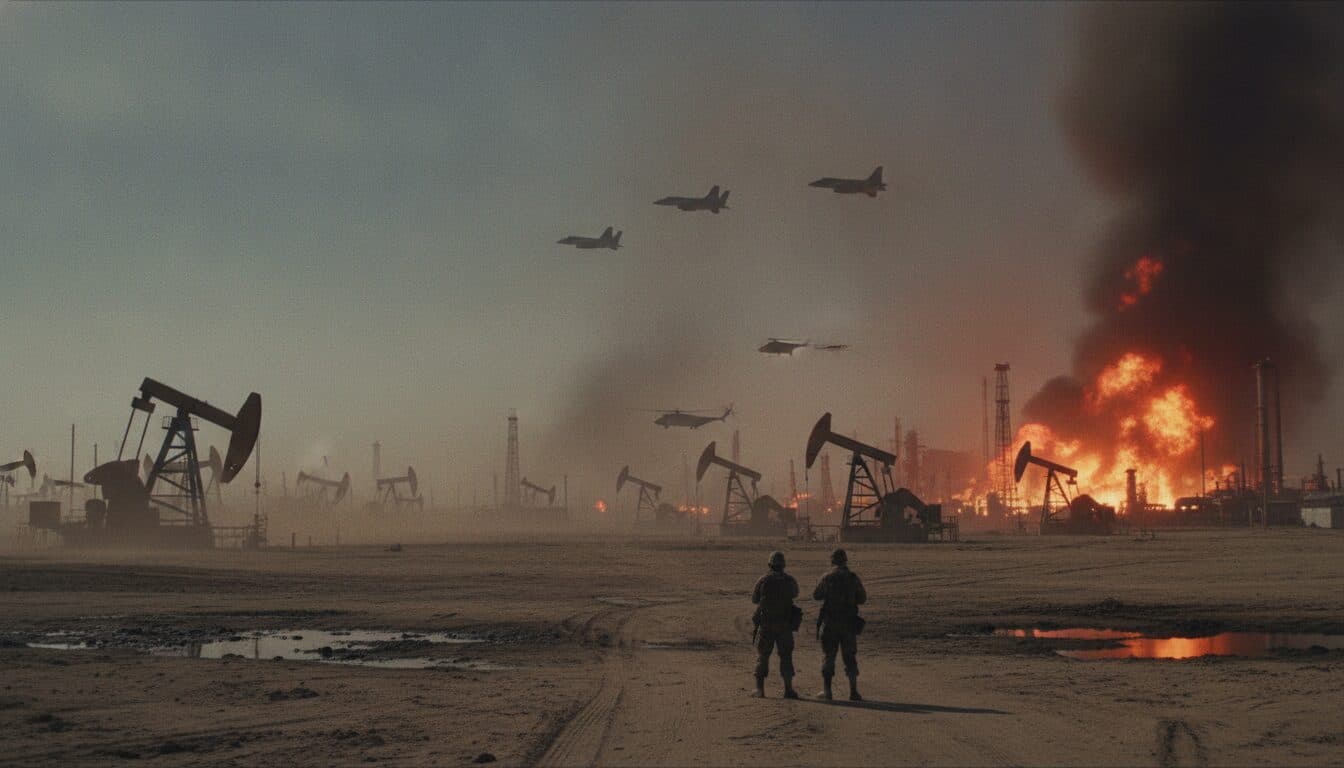
The United States Central Command (CENTCOM) confirmed its latest round of airstrikes targeted a northwestern Iranian city, believed to house underground missile bases operated by Iran’s paramilitary Revolutionary Guard. These actions, CENTCOM stated, aim to degrade Iranian military capabilities used to menace commercial vessels and civilian mariners in the crucial Strait of Hormuz. Iran’s state media, IRNA, reported at least one fatality and several injuries in the vicinity of Tabriz following these strikes.
This renewed offensive comes in the wake of a deadly attack on a US base in Jordan. On Friday, July 17, 2026, an Iranian ballistic missile and drone assault on Muwaffaq Salti Air Base resulted in the deaths of two US service members: 1st Lt. Tyler James Feehan, 25, of Ewa Beach, Hawaii, and Pvt. Isabella Gonzales, 19, of Carrollton, Texas. A third American service member was killed the following day in northern Iraq during a controlled detonation of unexploded ordnance from a downed Iranian drone, bringing the total US military death toll in the conflict to 17. President Donald Trump underscored the gravity of the situation, stating that the latest US strikes were conducted “in honor” of the fallen service members.
Iran’s response has been swift and geographically expansive. On Sunday, July 19, 2026, Iranian attacks damaged a critical power generation and water desalination complex in Kuwait and triggered air defense systems in both Jordan and Bahrain. Kuwaiti and Bahraini militaries confirmed they were actively responding to Iranian aerial assaults, with air raid sirens blaring across both nations. The Islamic Revolutionary Guard Corps (IRGC) claimed responsibility for “simultaneous” missile and drone attacks on US military facilities in Bahrain and Kuwait on Monday, July 20, 2026. The IRGC asserted it targeted drone maintenance and repair hangars at Al-Sakhir Air Base and preparation hangars for Task Force 59 vessels at Salman Port in Bahrain, claiming destruction of facilities and damage to vessels. In Kuwait, the IRGC stated it targeted and destroyed facilities at Camp Arifjan used to station, support, and equip US special naval commando forces.
Further exacerbating regional tensions, Yemen’s Iranian-backed Houthi rebels declared a maritime embargo against Saudi Arabia on Monday, July 20, 2026. Houthi military spokesman Yahya Saree characterized this as an “eye for an eye” retaliation for Saudi Arabia’s blockade of Houthi-controlled ports and airports in Yemen. The Houthis issued a stern warning that any further escalation by Saudi Arabia would be met with “comprehensive and decisive escalation.” This move carries the potential to disrupt another vital Middle Eastern oil export route, adding to the severe disruptions already plaguing the Strait of Hormuz.
“The direct attacks on US troops, the rising death toll, Iran’s retaliatory strikes on US allies, and the significant impact on global oil prices are causing widespread concern and fear of a broader regional conflict.”
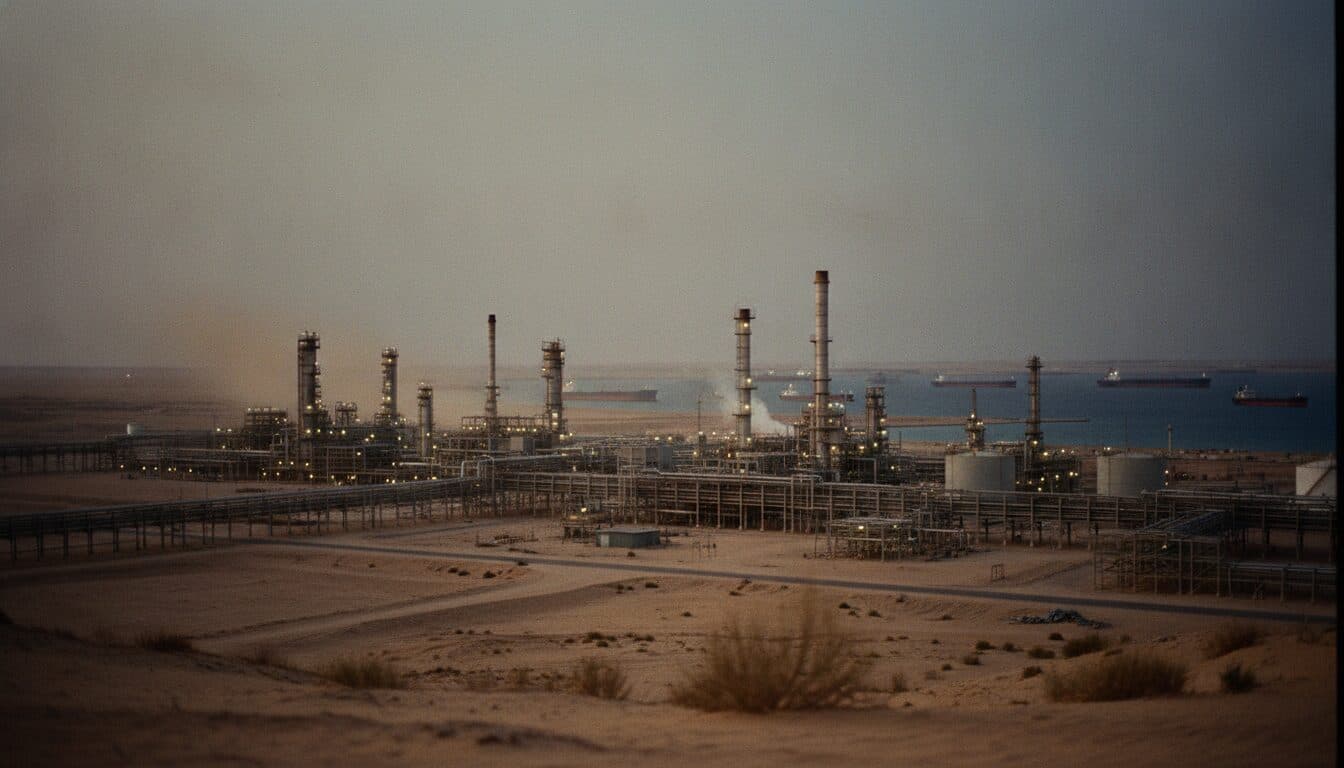
The escalating conflict has delivered a significant blow to global energy markets. Oil prices have surged dramatically, with Brent crude rising 3.2% to $90.95 per barrel on Monday, July 20, 2026. Benchmark US crude climbed 2.8% to $84.04 per barrel. This sharp increase is directly attributable to heightened concerns over energy supplies, particularly given the Strait of Hormuz, a critical chokepoint for global crude supply, has seen shipping largely stalled. This surge in prices is expected to fuel global inflation.
US gas prices have also felt the impact, hitting an average of $4 a gallon nationwide on Monday, July 20, 2026, according to AAA data. This marks the first time in over a month that the national average has breached this threshold, significantly higher than the average price of $3.14 a gallon a year ago. Diesel prices also reached $5.11 a gallon on Monday, a factor that will inevitably influence the cost of groceries and a wide array of other consumer goods.
This current US-Iran conflict escalates from the effective collapse of an interim ceasefire agreement reached in June 2026. That memorandum of understanding aimed for a 60-day ceasefire to facilitate negotiations for a permanent end to the conflict, which initially began on February 28, 2026, with US and Israeli strikes on Iran. However, after Iranian strikes targeted vessels in the Strait of Hormuz, President Trump declared the interim agreement “over” on July 8, 2026. Iran’s President Masoud Pezeshkian stated on Monday, July 20, 2026, that his country was in a “full-scale war” with the United States, underscoring the gravity of the current situation.
Looking ahead, the immediate implications are deeply concerning for global stability and economic markets. The direct military confrontation and the expansion of Iranian retaliatory strikes to US allies signal a dangerous new phase. Investors and consumers alike face continued uncertainty regarding energy prices and supply chains. Expert predictions suggest a prolonged period of volatility unless diplomatic efforts can somehow re-engage, an increasingly difficult prospect given the declared state of “full-scale war.” The potential for miscalculation and further regional entanglement remains high, with the Strait of Hormuz and other crucial shipping lanes under severe threat. The coming days will be critical in determining whether this dangerous escalation can be contained or if it will spiral into an even broader regional conflict.