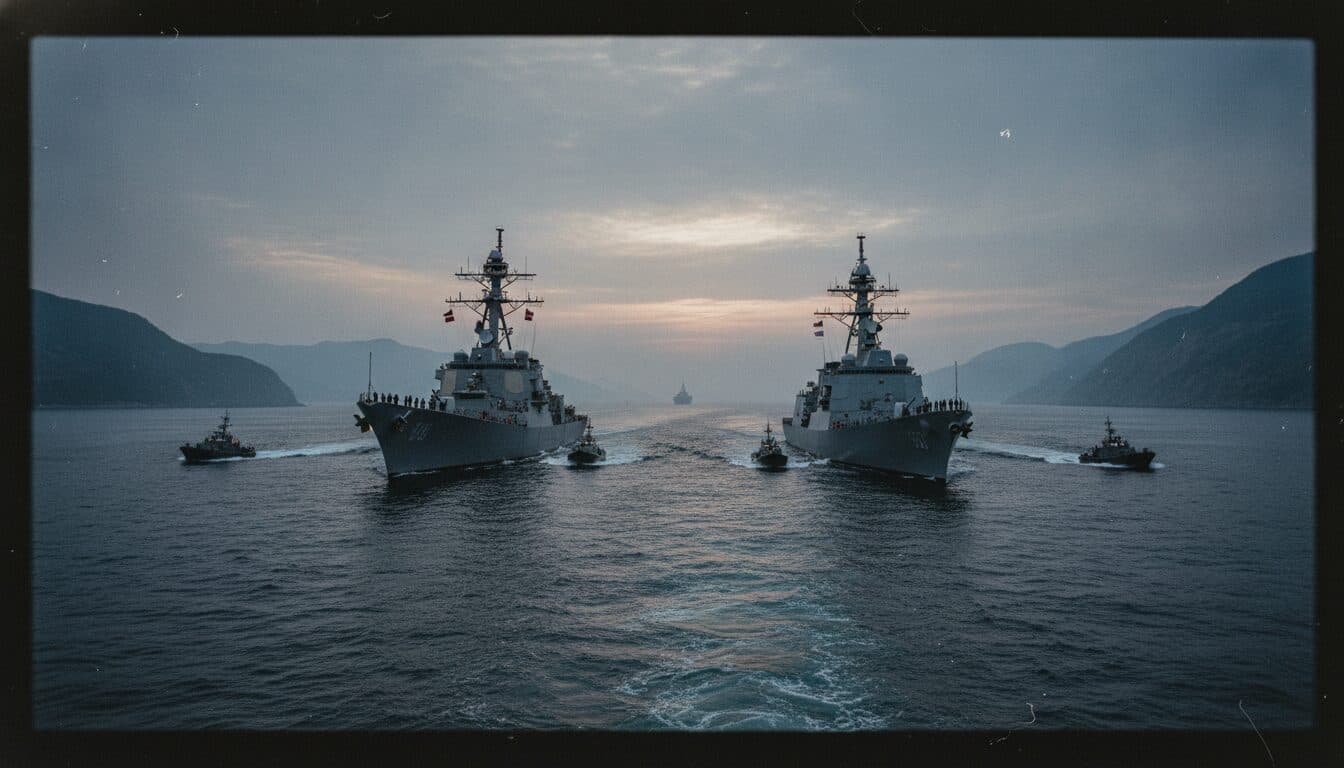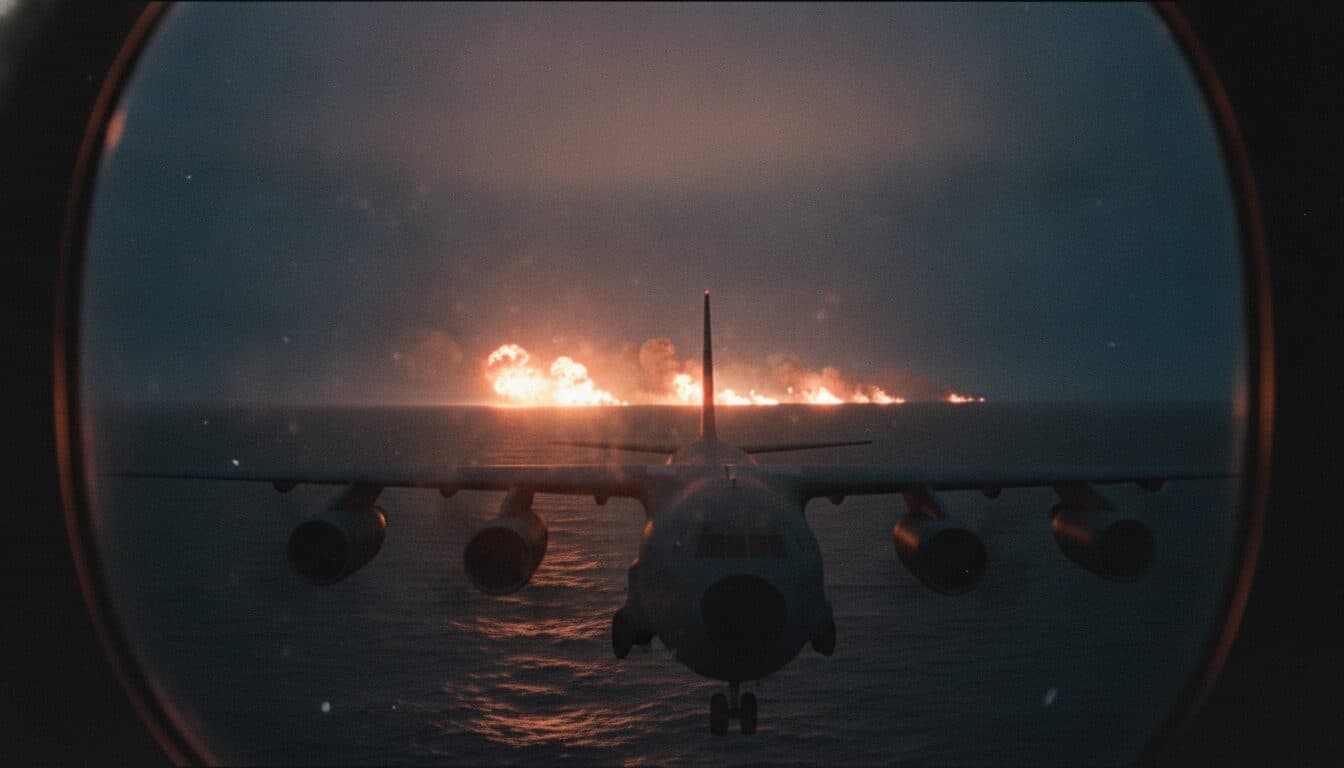
The United States has launched its eighth consecutive night of airstrikes against Iran, marking a significant escalation in Middle East tensions. These strikes follow a deadly drone and missile attack on Friday, July 17, 2026, at Muwaffaq Salti Air Base in Jordan, which killed two American service members and left one missing. The direct military engagement between the US and Iran, triggered by the loss of American lives, is fueling widespread concern over a potential wider conflict and its profound impact on global oil prices.
The latest US airstrikes on Saturday, July 18, targeted Iranian military coastal surveillance and air defense facilities, maritime capabilities, and missile and drone storage sites. Directed by President Donald Trump, these actions are a direct retaliation for the July 17 attack, which was claimed by the Islamic Resistance in Iraq, an Iranian-backed Shia Iraqi militia coalition. This incident at the US outpost near the Syrian and Iraqi borders represents the first time US troops have been killed by direct Iranian fire since the war began on February 28, 2026, following US and Israeli strikes on Iran.
Since the conflict’s inception, 16 US service members have been killed and over 430 wounded. The US has previously targeted Iranian infrastructure, including bridges, electricity, and desalination plants, in its retaliatory strikes. Iran’s supreme leader, Mojtaba Khamenei, has issued a stark warning, stating that “unforgettable lessons” await if the US continues its attacks, and declared President Donald Trump’s signature as “worthless and invalid” during a statement read on state TV. Iran has also reportedly suspended its commitments to an interim deal aimed at ending the conflict.
Impact on Markets and Regional Stability as US Strikes Iran
The intensifying hostilities are having an immediate and tangible impact on global markets, particularly oil prices. Brent crude traded at $84.46 per barrel and West Texas Intermediate (WTI) at $79.39 per barrel on Friday, July 17, driven by escalating tensions and fears of disruptions to global oil supplies. A significant concern centers on the Strait of Hormuz, a critical chokepoint through which roughly 20% of global oil supplies pass. Iran has effectively closed the Strait of Hormuz to shipping traffic since the war began, demanding fees for passage, amplifying fears of supply chain disruptions.
Beyond the Strait, Iran’s paramilitary Revolutionary Guard has claimed responsibility for attacks in Kuwait and Bahrain. Kuwait reported intercepting Iranian drones and missiles, resulting in a fire at a power generation and water desalination plant and causing injuries. Bahrain also confirmed its air defenses intercepted Iranian aerial attacks, and Iran has reportedly attacked Saudi Arabia. These regional strikes highlight the broadening scope of the conflict and the increasing instability across the Middle East.
“The direct engagement between the US and Iran marks a dangerous new phase, with significant implications for global energy markets and regional security. The potential for miscalculation is immense.”
The US Central Command (CENTCOM) has stated that the recent airstrikes are intended to “swiftly punish” Iran’s Revolutionary Guard and “further degrade Iran’s ability to threaten commercial shipping in the Strait of Hormuz.” This objective underscores the strategic importance of maritime security in the region and the US commitment to maintaining it.
The current escalation builds upon a history of tit-for-tat actions. The initial US and Israeli strikes on Iran on February 28, 2026, initiated a cycle of retaliatory attacks that has steadily intensified. The Muwaffaq Salti Air Base, also known as Tower 22, in northeastern Jordan, serves as a US military outpost for an “advise and assist” mission, making it a symbolic and strategic target for Iranian-backed militias.
Looking ahead, the immediate future remains highly uncertain. The continued US strikes Iran are likely to provoke further responses from Tehran, potentially leading to a deeper entanglement. Analysts are closely watching for any signs of de-escalation, but given the strong rhetoric from both sides and the recent loss of American lives, a diplomatic resolution appears distant. The focus will be on the nature of Iran’s next moves and the international community’s response to prevent a wider regional conflagration. The global economy, already grappling with various headwinds, faces additional instability from sustained high oil prices and potential supply chain disruptions.
For investors and businesses, the key takeaway is the heightened geopolitical risk in a region critical to global energy supplies. The direct military confrontation between the US and Iran introduces an unpredictable element into the global risk landscape, demanding careful consideration of energy price volatility and potential disruptions to international trade routes. The ongoing developments will undoubtedly shape market sentiment and investment strategies in the coming weeks and months.