The geopolitical landscape of the Middle East has been profoundly reshaped over the past week as the United States and Iran engage in a dangerous escalation of direct military strikes and retaliatory actions. This intensifying conflict, now in its fifth consecutive day of US strikes, has shattered an interim deal aimed at de-escalation, pushing global oil prices higher and raising the specter of a broader regional confrontation with significant financial and business implications.
The United States has launched a sustained campaign targeting Iranian military capabilities, particularly those threatening commercial shipping in the critical Strait of Hormuz. US Central Command (CENTCOM) reports strikes on Iranian command centers, air defense sites, and missile and drone infrastructure. The geographic scope of these operations has expanded significantly, reaching targets as far north as areas around Tehran and encompassing provinces like Semnan, Hamedan, Hormozgan, Khuzestan, Lorestan, Markazi, and Sistan and Baluchestan. Key locations hit include the port city of Bandar Abbas, Greater Tunb Island, and Qeshm Island.
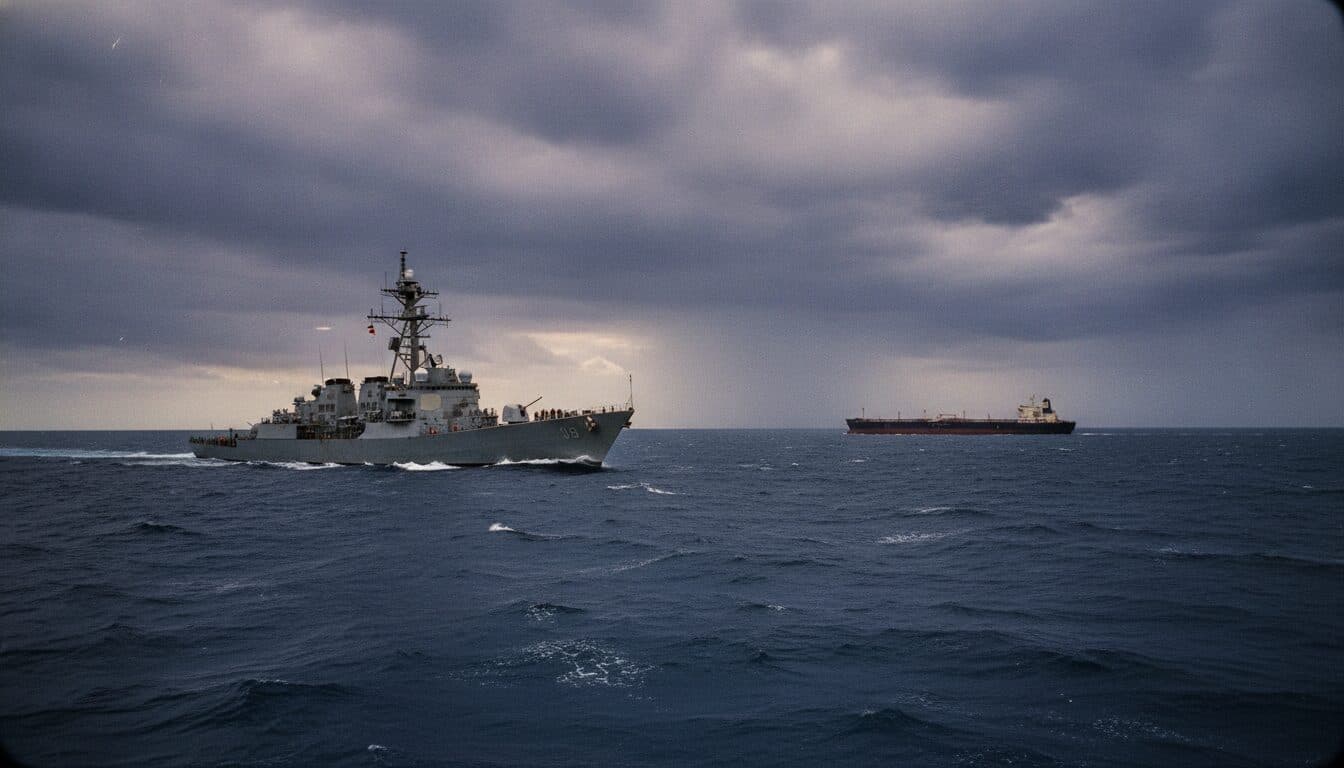
A notable development occurred on July 15, 2026, when US forces directly intervened against the Curaçao-flagged M/T Belma (IMO 9289491), an unladen commercial oil tanker, near Iran’s Kharg Island. Accused of attempting to breach a newly reinstated naval blockade, the vessel was disabled by Hellfire missiles fired into its smokestack after ignoring multiple warnings. This marked the first enforcement strike of the renewed blockade, which commenced at 4:00 p.m. EDT on July 14. CENTCOM confirmed that within 24 hours of the blockade’s resumption, two compliant vessels were redirected, and the M/T Belma was neutralized for non-compliance.
Iranian officials claim substantial casualties from US strikes, reporting at least 30 civilians killed and over 300 wounded. Iran’s army also stated that at least seven active-duty and conscript personnel died in overnight US strikes on the Bampur military base in the southeast. A hospital in Ahvaz, Shahid Baghaei Hospital, required evacuation due to nearby strikes.
In response to the escalating US actions, Iran has launched its own missile and drone attacks against US allies. Bahrain’s air defense systems successfully intercepted a barrage of Iranian drones and missiles targeting civilian sites. Iran’s military confirmed targeting US military installations in Jordan, including the critical Muwaffaq Salti Air Base, with “suicide drone strikes.” Jordan reported shooting down three ballistic missiles and eight Iranian missiles without casualties. Kuwait also reported intercepting four cruise missiles and 21 hostile drones.
“The Strait of Hormuz is Iran’s invincible red line,” warned Brigadier General Mohammad Akraminia, Iran’s military spokesperson, adding that Iran would not permit foreign interference there and could launch widespread attacks on “all infrastructure in the region” if the US targets Iranian civilian infrastructure.
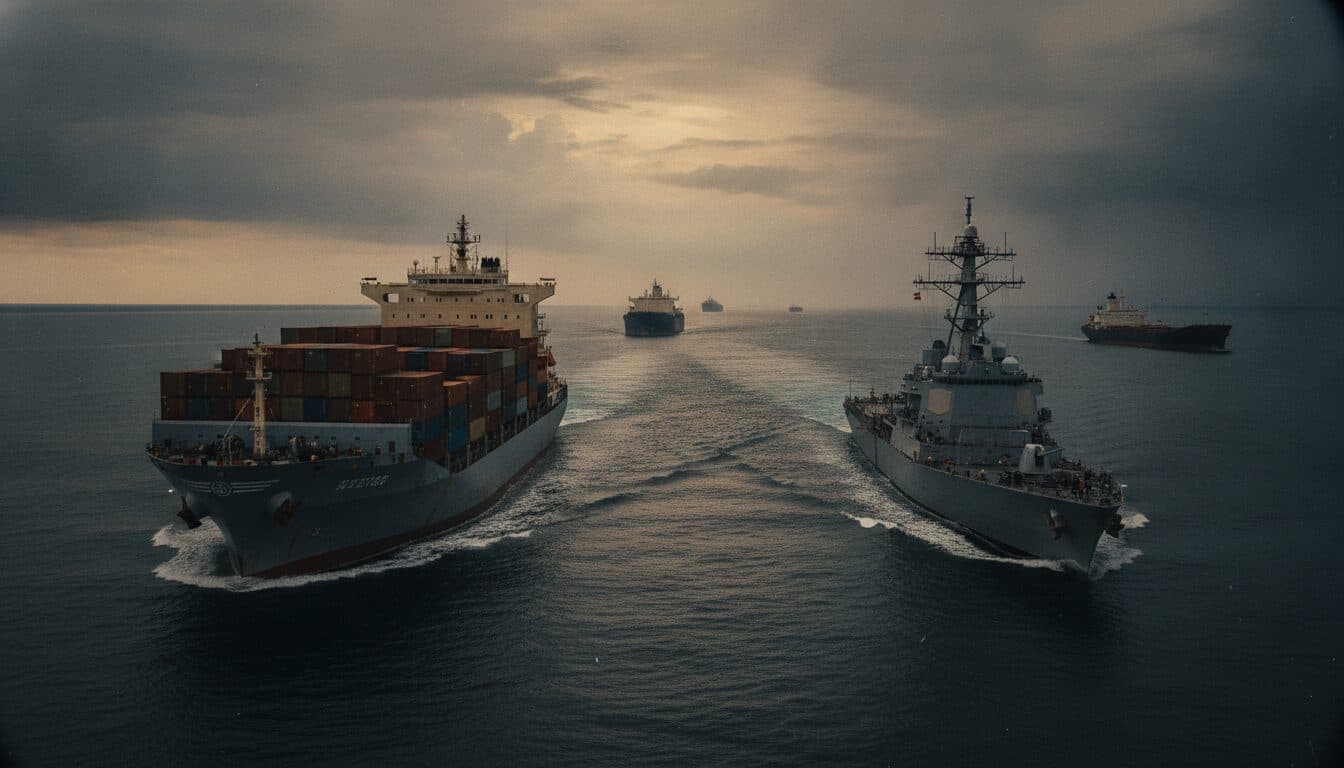
The intensifying conflict carries profound economic ramifications. Global oil prices have already surged, with Brent crude trading above $85 a barrel. The Strait of Hormuz, through which a significant portion of the world’s oil supply passes, remains a flashpoint. Iran had previously closed the strait, causing severe disruptions to global energy markets. The US reimposition of a naval blockade on Iranian ports and vessels, designed to isolate Iranian energy exports, has been met with Iranian threats to halt all energy exports from the Middle East entirely.
This current escalation marks a significant deterioration from an interim memorandum of understanding (MoU) agreed upon last month. That deal, intended to last 60 days, aimed to pause fighting and facilitate negotiations for a permanent peace agreement and an accord on Iran’s nuclear program. However, mutual accusations of violations have led to its near-collapse, underscoring the deep distrust and intractable nature of the underlying disputes. The conflict, which initially began on February 28, 2026, with US and Israeli attacks on Iran, has already claimed thousands of lives and displaced millions, primarily in Iran and Lebanon.
Looking ahead, the immediate future appears fraught with peril. Expert predictions vary, but a common thread is the high risk of further regional destabilization. The direct targeting of commercial shipping, even if unladen, sets a dangerous precedent for maritime security. The continued exchange of strikes suggests both sides are willing to absorb and inflict damage, making a swift de-escalation unlikely without a significant external intervention or a shift in strategic calculus. The UN Secretary-General Antonio Guterres has expressed deep concern over the continuing military escalation, reflecting the international community’s apprehension.
A potential, albeit fragile, sign of de-escalation emerged with the release of US citizen Dena Karari, detained in Iran since December 2024 on espionage charges. President Trump hailed this as a “gesture of goodwill.” However, this isolated event has done little to temper the broader military confrontation. Investors and businesses must closely monitor developments, particularly concerning the Strait of Hormuz and its impact on global energy markets, as the intensifying conflict between the US and Iran continues to dominate headlines and shape geopolitical risks.