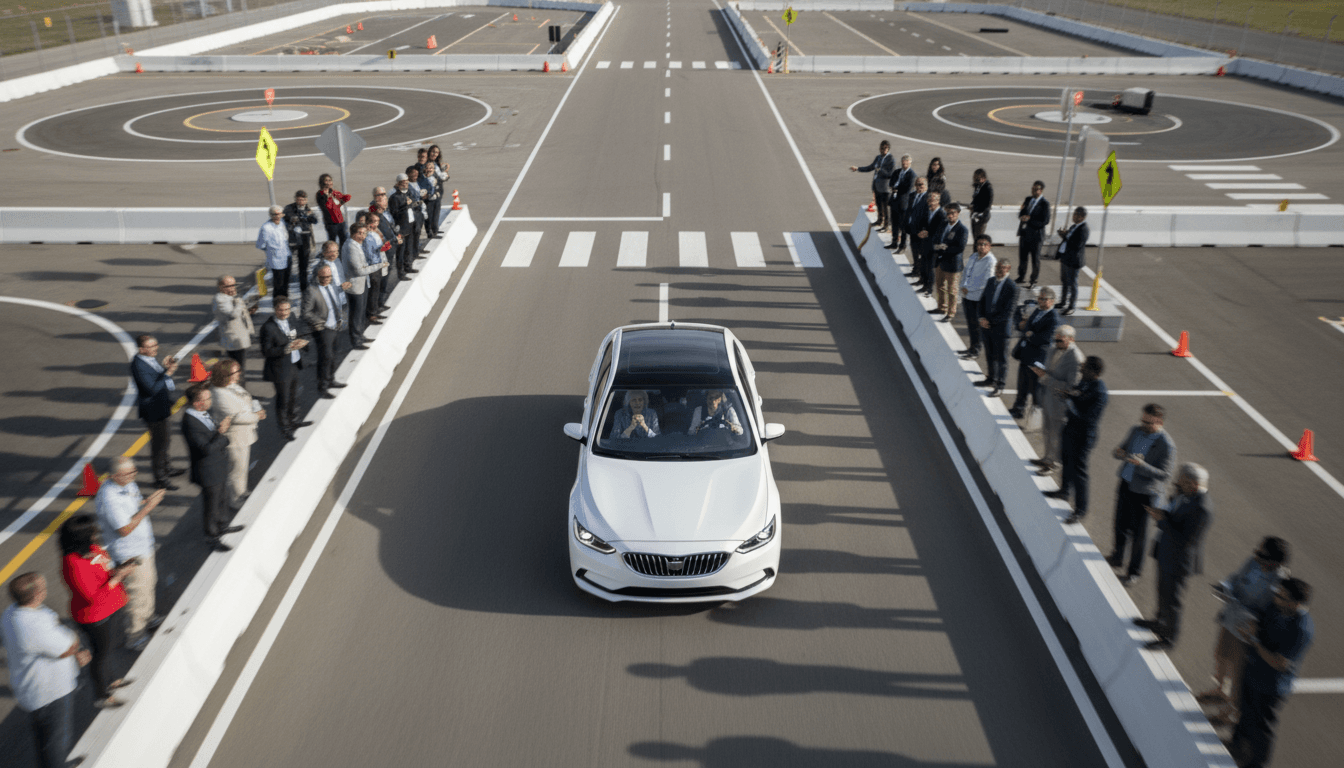
Minnesota State Senator Dave Westrom takes first Waymo drive, marking a significant moment for autonomous vehicle adoption and legislative understanding in the state. This inaugural “drive” occurred during an autonomous vehicle showcase on Sunday, May 10, 2026, offering a firsthand experience of Waymo’s self-driving technology to a key policymaker.
Senator Westrom’s participation in the showcase highlights the increasing engagement of state legislatures with emerging transportation technologies. His experience in a Waymo self-driving car provides direct insight into the operational capabilities and safety protocols of advanced autonomous systems, which is crucial for informed policy-making as these technologies mature and seek broader deployment.
Impact Analysis
This event carries substantial implications for the broader automotive and EV landscape, particularly concerning regulatory frameworks and public acceptance of autonomous vehicles (AVs). When a state senator takes first Waymo drive, it sends a powerful signal to both industry stakeholders and the public. For developers like Waymo, it offers a valuable opportunity to demonstrate their technology’s readiness and safety directly to legislative bodies that will ultimately shape the operational environment for AVs.
The engagement of high-profile officials like Senator Westrom can help demystify autonomous technology, addressing common concerns about safety, reliability, and job displacement. This direct exposure is vital in cultivating a legislative environment conducive to the responsible deployment and scaling of self-driving solutions. It also underscores the ongoing shift in the automotive industry towards software-defined vehicles and advanced driver-assistance systems (ADAS), ultimately leading to fully autonomous capabilities.
Furthermore, this event could accelerate discussions around standardized regulations across states, a critical hurdle for AV companies aiming for nationwide expansion. Different state laws on testing, deployment, and liability create a fragmented market, hindering progress. Senator Westrom’s experience could serve as a catalyst for Minnesota to potentially lead in establishing clear, supportive guidelines, influencing other states to follow suit. For more insights into the evolving regulatory landscape, explore our related automotive & ev articles.
“Direct legislative engagement with autonomous technology is indispensable for crafting sensible policies that balance innovation with public safety.”
Context & Background
The journey towards widespread autonomous vehicle adoption has been incremental, marked by significant technological advancements and persistent regulatory challenges. Waymo, a pioneer in the self-driving space, has been at the forefront of developing and deploying fully autonomous ride-hailing services in select cities, gradually expanding its operational design domains. The company’s strategy often involves engaging with local and state governments to build trust and demonstrate the tangible benefits of its technology.
Historically, public perception and regulatory caution have been major factors influencing the pace of AV deployment. Events like the Minnesota showcase are designed to bridge this gap, allowing policymakers to experience the technology in a controlled, safe environment. This proactive engagement contrasts with earlier periods where legislative bodies often reacted to technological developments rather than actively participating in their understanding and shaping.
What’s Next
Following this significant event where Senator Westrom takes first Waymo drive, the immediate future will likely involve increased legislative discussions in Minnesota regarding autonomous vehicle policy. We can anticipate potential committee hearings, white papers, or even proposed legislation aimed at clarifying the legal framework for AV operations within the state. Other states may also observe Minnesota’s response, potentially influencing their own approaches to AV regulation.
For Waymo and other AV developers, this engagement opens doors for further collaboration and perhaps even pilot programs in Minnesota, should the regulatory environment become more favorable. The industry will be closely watching for any legislative outcomes that could set precedents for how states approach autonomous technology, from testing permits to commercial operation licenses. The long-term trajectory points towards a gradual but inevitable integration of autonomous vehicles into mainstream transportation, with legislative understanding being a critical enabler.
Key Takeaway
The participation of Senator Westrom in Waymo’s autonomous vehicle showcase and his first-ever “drive” underscore the critical juncture at which the automotive industry finds itself. It highlights the imperative for policymakers to directly engage with and understand advanced technologies to craft effective and forward-thinking regulations. This interaction is not merely a photo opportunity; it is a foundational step in building the necessary trust and legislative framework that will ultimately dictate the speed and scale of autonomous vehicle deployment across the nation, profoundly impacting future mobility and economic landscapes.