The fragile ceasefire between the United States and Iran has shattered, plunging the Middle East into renewed military conflict and sending shockwaves through global energy markets. President Trump declared the tentative truce “over” on Wednesday, July 8, 2026, triggering an intense escalation of US strikes on Iranian targets and retaliatory attacks by Tehran on US military infrastructure in Gulf states. This **US-Iran conflict escalates** directly impacting global stability and economic forecasts.
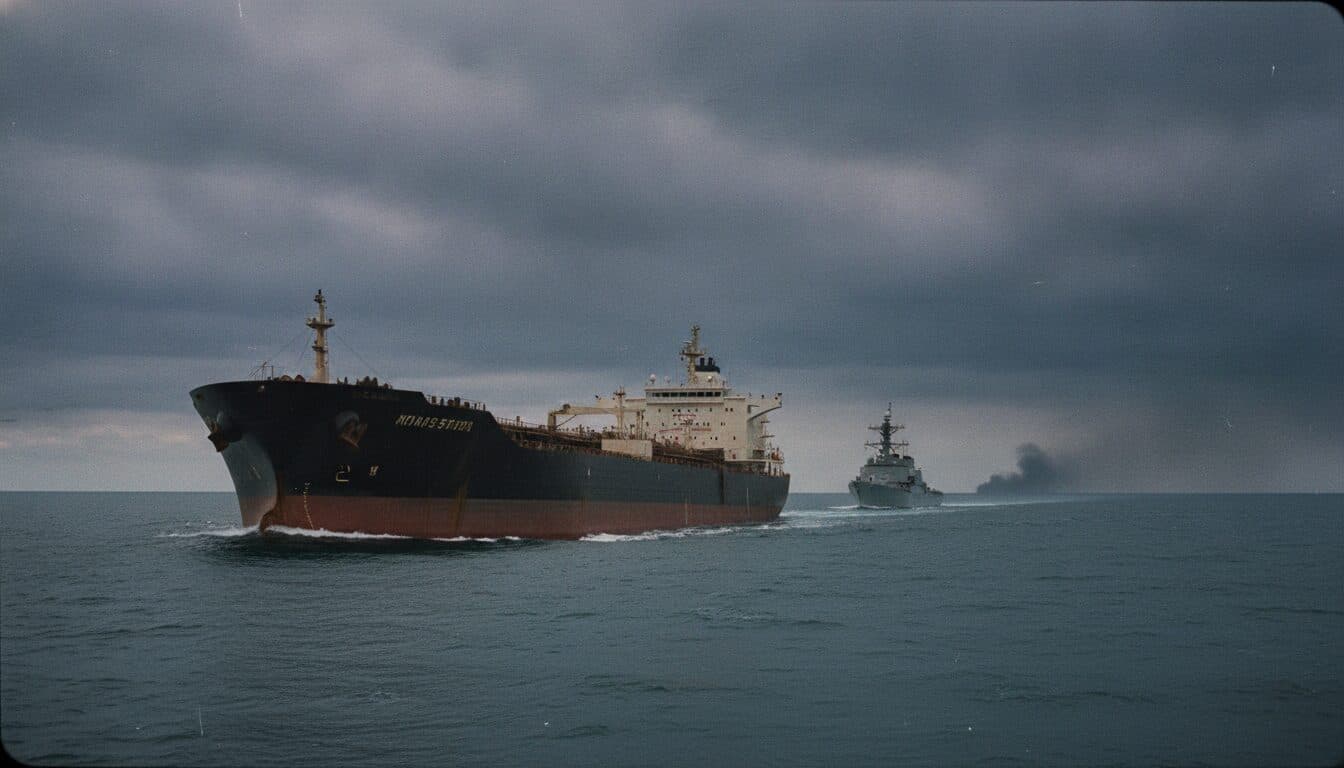
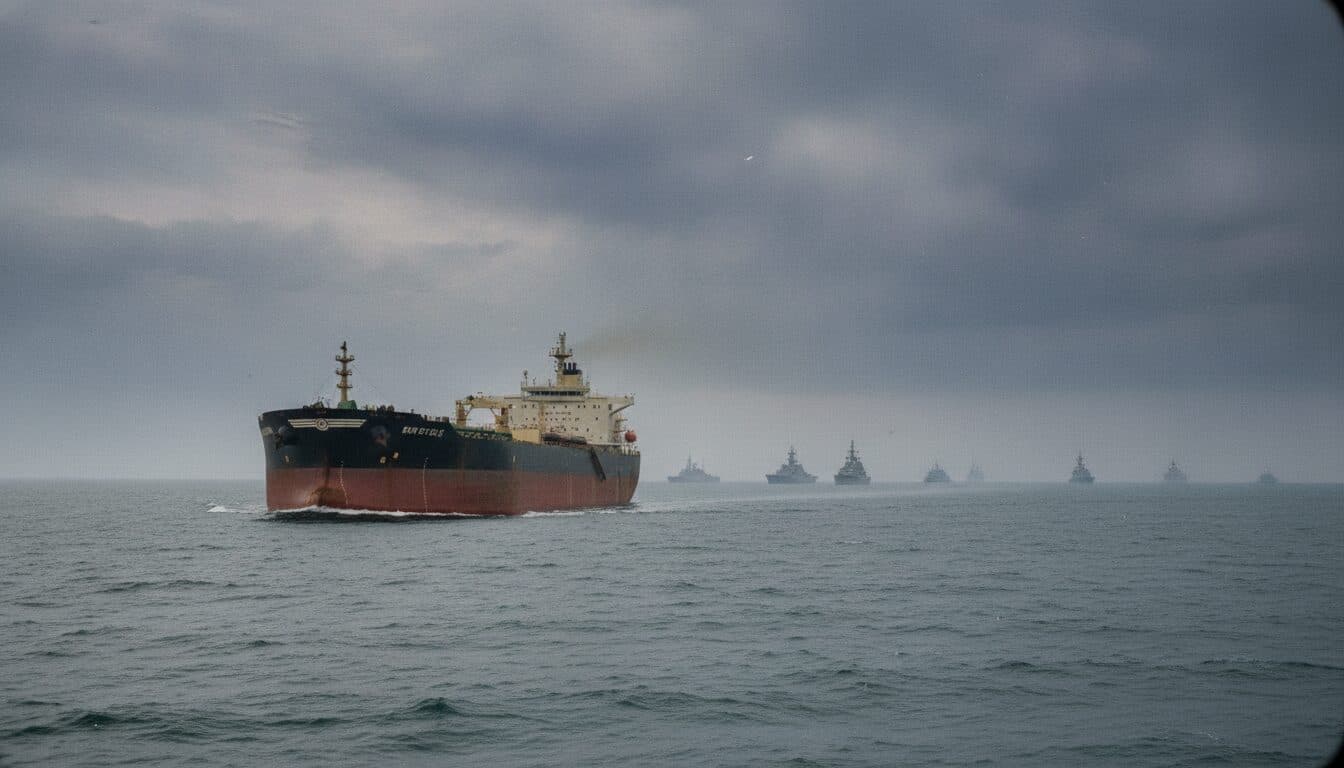
The immediate catalyst for the collapse of the June 17 memorandum of understanding (MoU) was alleged Iranian attacks on three commercial vessels in the Strait of Hormuz between Monday and Tuesday, July 6-7. One Qatari LNG tanker was reportedly struck and left stranded off Oman, a stark reminder of the region’s critical role in global energy flows. In response, the US military launched “powerful strikes,” hitting approximately 80 targets in the first round on July 7, followed by a new barrage of 90 targets overnight on July 8. US Central Command stated these strikes aimed to “further degrade Iran’s ability to attack commercial shipping and innocent civilian mariners in the Strait of Hormuz,” targeting air defense systems, coastal surveillance assets, missile and drone storage sites, naval capabilities, and military logistics infrastructure. In total, at least 170 targets in Iran were hit on Tuesday and Wednesday.
Iran has vehemently condemned the US actions, accusing Washington of war crimes after two bridges in the eastern provinces leading to Mashhad were reportedly targeted. Iranian state media reported explosions in several cities, including Bushehr, home to Iran’s nuclear power plant complex, whose perimeter was reportedly struck. The human cost is mounting, with Iran’s Health Ministry reporting on Saturday, July 11, that 17 people were killed and 115 injured in US strikes on Wednesday and Thursday. This includes at least three fatalities in Khuzestan province, a firefighter in Iranshahr, and nine members of Iran’s military. In retaliation, Iran launched a barrage of drones and missiles at US military infrastructure in Bahrain, Kuwait, Qatar, and Jordan, specifically the Muwaffaq Salti Air Base. Ayatollah Mojtaba Khamenei, son of the recently deceased former Supreme Leader Ali Khamenei, has vowed to avenge his predecessor’s death and the lives of all martyrs from “these two wars,” signaling a hardening of Tehran’s stance.
The Strait of Hormuz, a vital chokepoint for approximately 20% of the world’s oil and gas, remains at the heart of the crisis. Iran’s long-standing desire to control the Strait and impose transit fees has been consistently rejected by the US and its allies, who uphold unrestricted freedom of navigation. The immediate impact on shipping was palpable, with the number of vessels traversing the Strait on Thursday, July 9, falling to 34, the lowest daily level since June 28. War underwriters have already advised shipping companies to pause voyages through the critical waterway, adding to supply chain anxieties.
Global Economic Repercussions of US-Iran Conflict Escalates
The economic fallout from this renewed **US-Iran conflict escalates** is immediate and far-reaching. Brent crude prices surged initially, climbing 5% to $77.86 a barrel on July 8 and briefly exceeding $80. While prices eased slightly, Brent crude closed near $76 per barrel on July 10, marking a weekly gain of about 5% due to persistent concerns about global energy supplies. The International Energy Agency has characterized the situation as the “largest supply disruption in the history of the global oil market.”
Asia, heavily reliant on energy imports through the Strait of Hormuz, is particularly vulnerable. Approximately 80% of its crude oil imports and 90% of its LNG imports typically transit this chokepoint. The QNB (Qatar National Bank) warned on July 11 that the consequences for fiscal balances, foreign currency reserves, and food security will endure long after the conflict ends for most frontier and emerging Asian economies. The Asian Development Bank forecasts a potential drop in GDP growth by 0.7% in 2026 and an increase in inflation to 5.2% if average oil prices hover around $96 per barrel this year.
“The Strait of Hormuz is not just a shipping lane; it’s the economic artery of the global energy market. Any disruption here sends tremors across every major economy, especially in Asia.”
Beyond energy, global stock markets experienced declines, and government bond yields rose, with the Dow Jones Industrial Average dropping over 500 points on July 8. The ongoing tensions are expected to add further pressure on the Federal Reserve regarding interest rate decisions. Moreover, the conflict’s impact extends to food security, disrupting the supply of fertilizer ingredients from the region, which could lead to “massive starvation in certain parts of the world” and higher food prices in the US.
The current escalation builds upon a history of fraught relations between Washington and Tehran. The 2025 and 2026 conflicts, referenced by Ayatollah Mojtaba Khamenei, underscore a pattern of regional instability and proxy confrontations. President Trump’s stern warning to “decimate and destroy” all areas of Iran if the regime attempts to harm him, coupled with threats to target Iranian energy infrastructure and desalination plants, indicates a potentially devastating path forward. The direct targeting of Bushehr’s nuclear power plant perimeter, while unconfirmed for specific damage, raises concerns about the potential for further dangerous escalation.
As the situation unfolds, the world watches anxiously. The immediate future will likely see continued military posturing and strikes, with both sides seeking to gain leverage. The potential for a wider regional conflict involving other Gulf states and proxy groups remains a significant concern. Diplomatic efforts, if any, appear stalled, making a swift resolution unlikely. Investors and policymakers will be closely monitoring energy prices, shipping routes, and any signs of de-escalation, but for now, the **US-Iran conflict escalates** with no clear end in sight. The lasting economic and geopolitical ramifications will undoubtedly shape global dynamics for years to come. For more on the economic impact of global conflicts, visit related trending articles.