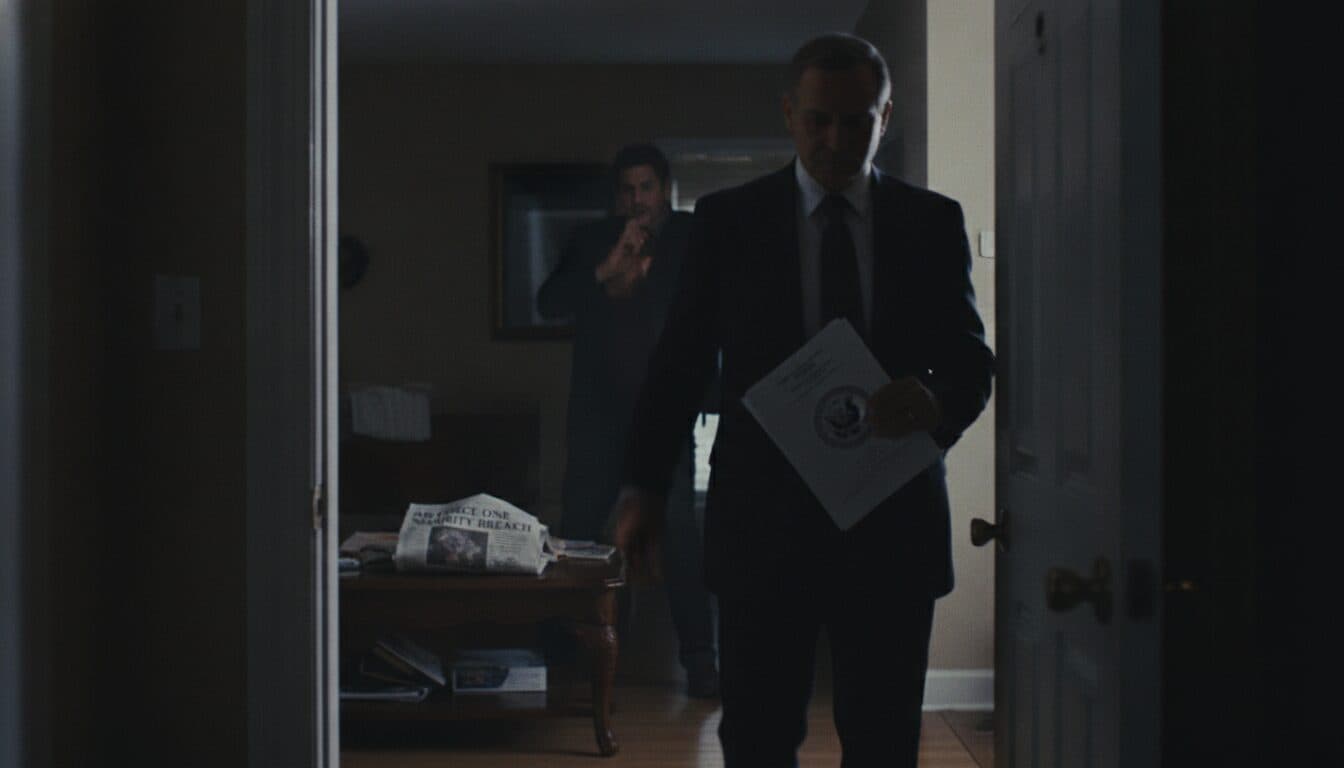
The direct subpoenaing of New York Times journalists by the Trump administration marks a significant escalation in the ongoing tensions between the White House and independent news organizations, raising profound concerns about press freedom and government attempts to silence critical reporting. Federal agents delivered subpoenas to the homes of several New York Times reporters on Friday, July 10, 2026, demanding their testimony before a federal grand jury in Manhattan on Wednesday, July 15, 2026.
This action follows the publication of New York Times reports on Wednesday, July 8, and Thursday, July 9, 2026, which detailed alleged security deficiencies in the new Air Force One. The aircraft, a Boeing 747-8, entered service last week as a gift from Qatar, with the U.S. government spending $400 million on retrofits and upgrades. It is intended to bridge the gap until two new Boeing presidential aircraft are delivered in 2028. The Times articles, citing anonymous sources, claimed the new Air Force One lacked advanced security features, including antimissile capabilities, present in older models. The newspaper also reported that the Secret Service urged President Trump to use an older Air Force One model for part of his return trip from a NATO summit in Turkey due to these security concerns. This plane swap occurred amidst a volatile geopolitical landscape, as a shaky ceasefire with Iran had collapsed, leading to U.S. airstrikes on Iran and Tehran’s attacks on three Gulf Arab states.
The journalists who received subpoenas include Julian E. Barnes, Eric Lipton, Tyler Pager, and Eric Schmitt, all of whom were bylined on the initial Wednesday article. This move is widely interpreted as a part of the administration’s broader campaign against news outlets deemed critical.
NYT Journalists Subpoenaed: Implications for Press Freedom
The impact of these subpoenas extends beyond the immediate legal challenge, sending a chilling message to investigative journalists and their sources. The Justice Department, in a statement, indicated it is investigating “breaches of national security” and those “leaking classified information,” while asserting reporters are not the targets. However, the timing and directness of the subpoenas suggest a different intent. Before the Wednesday article was published, a senior FBI official reportedly contacted the New York Times, requesting the story be withheld for national security reasons and that sources be identified. The Times refused both requests, citing a lack of specific details from the FBI.
The legal community and press freedom advocates have swiftly condemned the administration’s actions. David McCraw, a lawyer for the New York Times, stated,
“The appearance of federal law enforcement agents on the doorstep of news reporters should shock the conscience of any American who believes in the Constitution and the press freedom it protects.”
Bruce D. Brown, president of the Reporters Committee for Freedom of the Press, echoed these concerns, calling the subpoenas a “break from longstanding Justice Department practice” and suggesting they are part of “Trump’s war on the press.”
The White House has denied any security shortcomings with the new aircraft. White House spokesperson Steven Cheung asserted that the new Air Force One is a “state-of-the-art aircraft that has been fitted with high-level security protocols that ensure the safety of the President and his staff.” President Trump also denied that security concerns influenced his decision to use an older plane for part of his journey, attributing the stop in Mildenhall to allowing service members to view the new jet. He also brushed off questions about credible threats from Iran, stating, “I have a threat all the time. I’m No. 1 on their list.”
This is not an isolated incident. The Trump administration has previously issued subpoenas to journalists, including earlier this year to reporters at The Washington Post and The Wall Street Journal, though those were later withdrawn. The current action represents a significant escalation, given the direct targeting of journalists’ homes and the impending grand jury testimony. Related trending articles have highlighted the increasing frequency of legal challenges faced by news organizations reporting on government affairs.
Looking ahead, the legal battle is expected to be protracted. The New York Times will likely fight the subpoenas vigorously, potentially setting a precedent for future interactions between the government and the press. The outcome will have profound implications for the ability of journalists to report on sensitive national security issues and for the protection of confidential sources, which are foundational to investigative journalism. Investors and citizens alike will be watching closely to see how this ongoing struggle between the administration and the press unfolds, as it directly impacts the transparency and accountability of government.
The key takeaway is that the targeting of journalists through subpoenas, particularly in the context of national security reporting, represents a critical flashpoint for press freedom in the United States. It underscores the increasing pressure on news organizations to protect their sources and their ability to report independently, even in the face of significant government scrutiny.