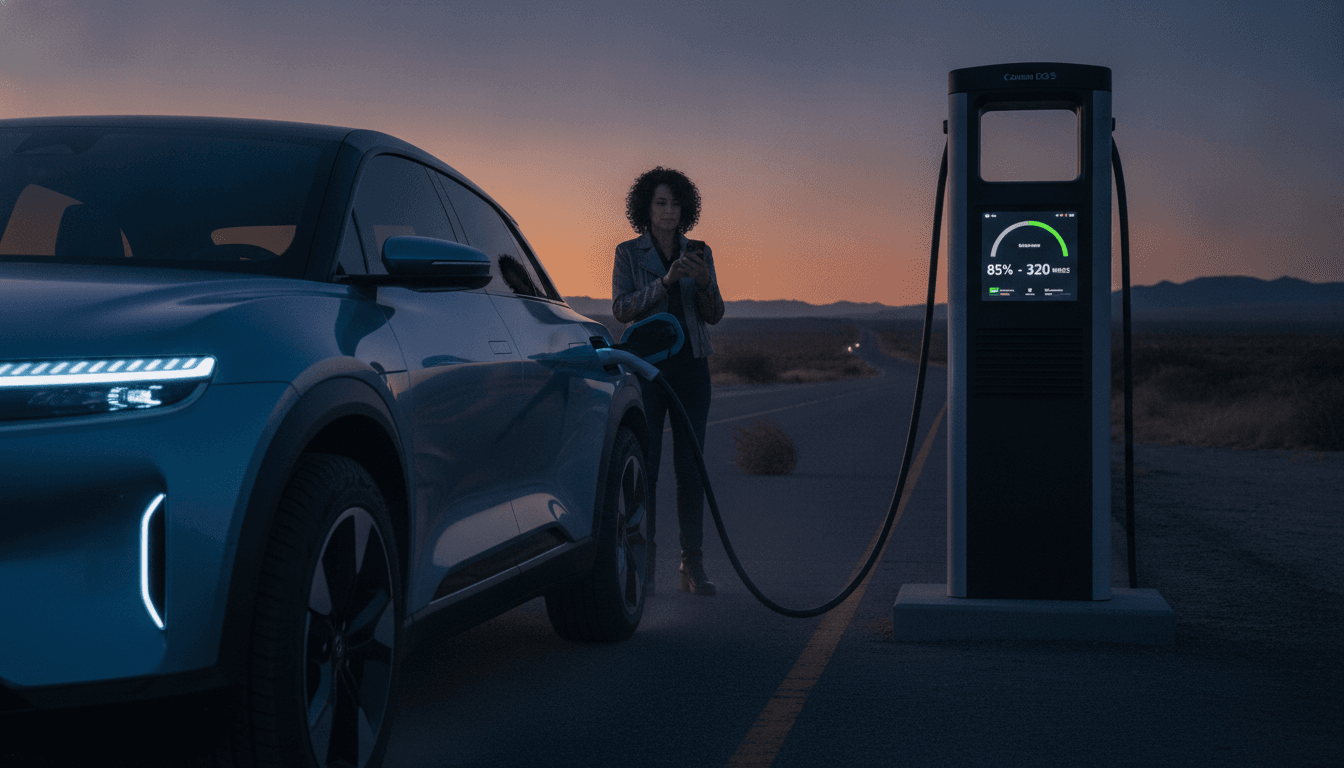
The EV range race is far from over, with new models consistently pushing the boundaries of what’s possible for electric vehicle autonomy, as highlighted by recent industry analysis on Saturday, June 13, 2026. This ongoing competition among manufacturers to offer the longest-range electric cars reflects a critical industry trend: addressing consumer anxiety about charging infrastructure and journey limitations. The pursuit of greater mileage per charge is a central battleground in the broader electrification of the automotive sector, driving innovation in battery technology, aerodynamic design, and energy management systems.
The Current Contenders in the EV Range Race
The relentless pursuit of extended range defines a significant segment of the electric vehicle market. Manufacturers are keenly aware that for many prospective buyers, the ability to travel further on a single charge is a primary differentiator, often outweighing other factors like acceleration or interior luxuries. The current landscape sees a dynamic competition, with various brands leveraging distinct technological advantages to achieve top-tier range figures.
While specific models aren’t detailed in the immediate reporting, the implication is clear: the list of vehicles offering the most substantial range is evolving. This suggests a blend of established EV players and potentially newer entrants are vying for dominance. Key players typically invest heavily in research and development to optimize battery chemistry, increase energy density, and enhance overall vehicle efficiency. The market is witnessing a continuous cycle of innovation, where today’s benchmark for range could be surpassed by new offerings in the very near future. This competitive environment ultimately benefits consumers by driving down costs and improving performance across the board.
Impact Analysis
The intensifying EV range race significantly impacts the broader automotive and EV landscape. For consumers, longer ranges translate directly into greater practicality and reduced ‘range anxiety,’ a long-standing barrier to widespread EV adoption. As electric vehicles approach or surpass the typical range of internal combustion engine (ICE) vehicles on a single tank, the psychological hurdle for many buyers diminishes considerably. This shift is crucial for accelerating the transition away from fossil fuels.
For manufacturers, the pressure to innovate is immense. Companies that can consistently deliver competitive or superior range figures gain a substantial marketing advantage and market share. This competition fosters advancements not just in battery technology but also in related fields such as charging infrastructure, as faster charging solutions become more critical to complement extended ranges. Furthermore, the focus on efficiency required for long range often leads to other vehicle improvements, such as enhanced aerodynamics and lighter materials, benefiting overall vehicle performance and sustainability. Read more about advancements in EV battery technology.
“The battle for range is more than just a numbers game; it’s about shifting consumer perception and laying the groundwork for a truly ubiquitous electric future.”
Context & Background
The quest for greater EV range is not new, but its intensity has escalated dramatically in recent years. Early electric vehicles were often characterized by limited range, making them suitable primarily for urban commuting. Over the past decade, significant strides in lithium-ion battery technology, coupled with improvements in electric motor efficiency and vehicle design, have enabled ranges that were once considered futuristic. Companies like Tesla were pioneers in demonstrating the viability of long-range EVs, setting new benchmarks that competitors have since strived to meet or exceed.
Industry trends indicate a continuous upward trajectory in average EV range. This progress is a direct response to consumer demand and governmental incentives pushing for electrification. The global automotive industry has committed trillions to EV development, with a substantial portion of that investment dedicated to extending battery life and range. This historical context underscores that the current focus on the longest-range electric cars is a natural evolution of the market, driven by technological maturity and increasing consumer confidence in electric mobility.
What’s Next
Looking ahead, the EV range race is poised to continue its rapid pace. Future implications include further diversification of battery chemistries, with solid-state batteries and other next-generation technologies potentially offering even greater energy density and faster charging capabilities. We can anticipate ongoing refinements in vehicle aerodynamics and weight reduction techniques, pushing efficiency limits further. The competitive landscape will likely see new entrants challenging established players, fostering an environment of continuous innovation.
Upcoming decisions by manufacturers will involve balancing range with other critical factors like cost, charging speed, and overall vehicle performance. Predictions suggest that as range anxiety diminishes, consumer focus might shift more towards charging convenience, sustainability of materials, and integrated digital experiences. The industry will also face the challenge of scaling up production of these advanced battery technologies to meet growing global demand, ensuring that the longest-range electric cars become more accessible to a broader market.
Key Takeaway
The continued emphasis on extending the range of electric vehicles is a critical indicator of the automotive industry’s commitment to mainstream EV adoption. It signifies a maturation of technology and a direct response to consumer needs, ultimately paving the way for a more sustainable and electrified transportation future. As the EV range race progresses, it not only pushes technological boundaries but also reshapes consumer expectations and accelerates the global transition away from fossil fuels. Explore more about the future of electric mobility.