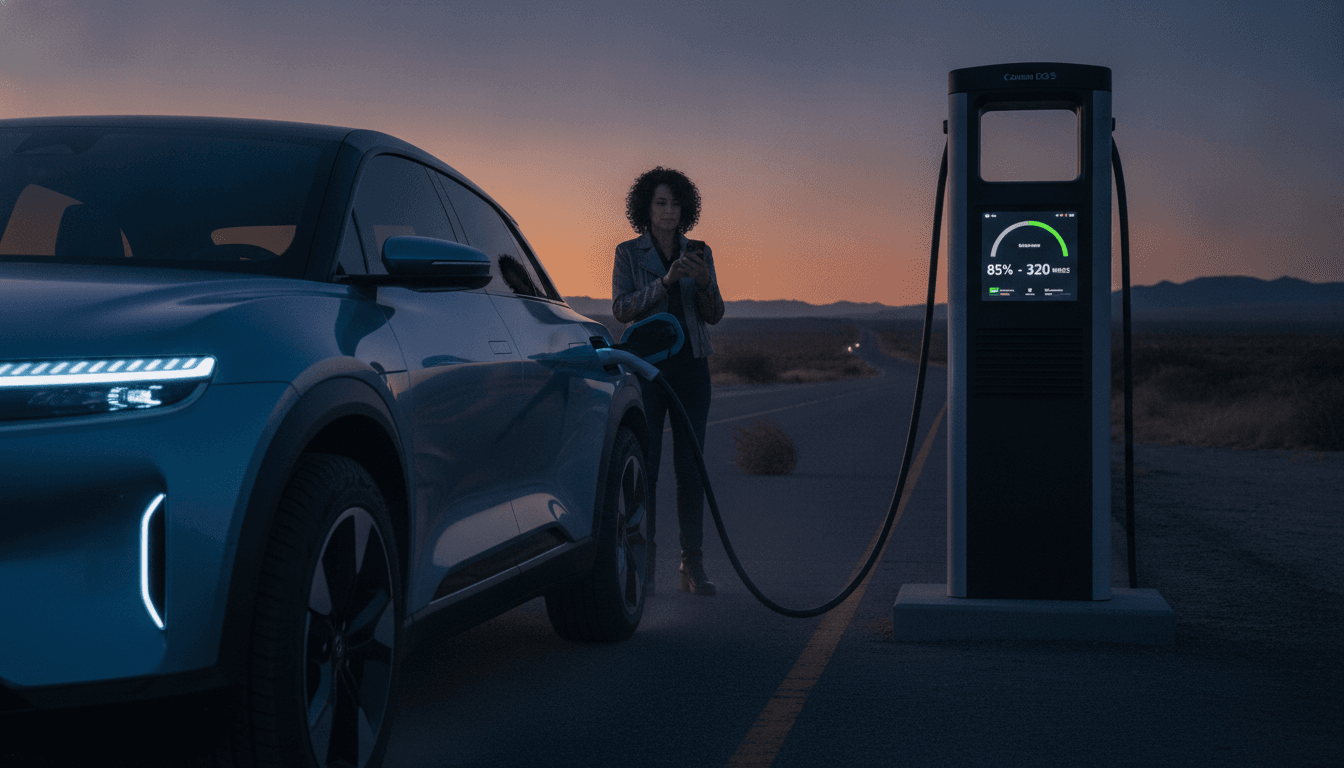
BYD’s introduction of 5-minute EV charging technology in the UK marks a significant leap forward for electric mobility, promising to alleviate one of the most persistent barriers to widespread EV adoption: charging times. The Chinese electric vehicle manufacturing giant has announced plans to deploy its ‘Flash Charging’ system, capable of drastically reducing the time it takes to power an EV, from hours to mere minutes. This revolutionary development, set to begin rollout by the end of 2026, positions BYD at the forefront of the global race to make electric vehicles as convenient as their internal combustion engine counterparts.
The core of this innovation lies in BYD’s ultra-fast charging units, designed to deliver an unprecedented power output of up to 1.5 megawatts. This immense power is what enables compatible BYD models to gain several hundred miles of driving range after just a few minutes of charging, depending on battery capacity and ambient conditions. The technology has already undergone extensive testing and deployment in China, where BYD has integrated thousands of these charging points into its rapidly expanding EV infrastructure network, demonstrating its viability and efficiency on a large scale.
Rollout Plans and Market Impact
The UK, identified by BYD as one of its most crucial international markets, is slated to receive between 200 and 300 Flash Charging stations by the close of 2026. This initial phase will strategically target dealership locations before expanding to a broader public charging network. The timing aligns with a period of steady growth in electric and hybrid vehicle sales across the UK, as consumer preferences increasingly shift towards cleaner transportation options, making the market ripe for such an infrastructural upgrade.
Industry experts are hailing ultra-fast charging as a potential game-changer for the electric vehicle market. The long charging times and ‘range anxiety’ associated with EVs have historically been significant deterrents for potential buyers. BYD’s system, if successfully deployed and widely adopted, could dramatically mitigate these concerns, making EV charging almost as swift and convenient as refueling a petrol vehicle. This technological advancement is also expected to intensify competition within the global EV sector, compelling other manufacturers and charging network providers to accelerate their own research and development efforts in fast-charging solutions. Read more about EV infrastructure advancements.
“This advancement could increase competition in the global EV market, pushing other manufacturers and charging networks to accelerate their own technological developments.”
Context and Broader Implications for Electric Mobility
BYD’s initiative is not an isolated event but rather a reflection of a broader industry-wide push towards enhancing charging infrastructure and reducing reliance on extended charging cycles. As governments worldwide, including the UK, continue to advocate for greener transport solutions, innovations like Flash Charging are becoming increasingly vital in shaping the future of mobility. The ability to refuel an EV in approximately five minutes could be the catalyst needed for electric vehicles to truly become mainstream across global markets, dismantling the remaining psychological and practical barriers.
The move also underscores BYD’s aggressive expansion strategy and its growing dominance in the global EV landscape. The company famously surpassed Tesla in global EV sales in 2025, selling 2.25 million vehicles, indicating its formidable capabilities not just in vehicle manufacturing but also in proprietary charging technology development. This holistic approach, combining advanced vehicle production with cutting-edge infrastructure, positions BYD as a formidable force in the ongoing electric revolution.
What’s Next for 5-Minute EV Charging Technology
The immediate future will focus on the successful deployment of the initial 200-300 Flash Charging stations across the UK. The performance and reliability of these units, particularly in varied environmental conditions and with diverse user behaviors, will be closely watched. Success in this initial phase will likely dictate the pace and scale of subsequent expansions into broader public areas. Regulatory bodies and energy providers will also need to adapt to the demands of such high-power charging, ensuring grid stability and efficient energy distribution.
Furthermore, the industry will be keen to observe how other major automotive players respond to BYD’s challenge. Will competitors accelerate their own ultra-fast charging solutions, or will strategic partnerships emerge to leverage existing infrastructure? The long-term implications include a potential acceleration in the retirement of fossil fuel vehicles and a significant shift in consumer perception of EV practicality. Explore other innovations in automotive technology.
In conclusion, BYD’s introduction of 5-minute EV charging technology in the UK is more than just a product launch; it is a declaration of intent that could fundamentally reshape the electric vehicle market. By addressing the critical issue of charging time, BYD is not only enhancing the appeal of its own vehicles but also laying down a gauntlet for the entire industry. The coming years will reveal the full extent of this transformation, but the trajectory towards faster, more convenient electric mobility is now undeniably set.