Global oil markets are bracing for renewed volatility as the United States and Iran exchanged a series of strikes on Sunday, July 12, 2026, marking a significant escalation of tensions in the vital Strait of Hormuz. This renewed hostility, ignited by Iran’s declaration of the Strait’s closure and an attack on a commercial vessel, carries profound implications for international stability and energy prices worldwide.
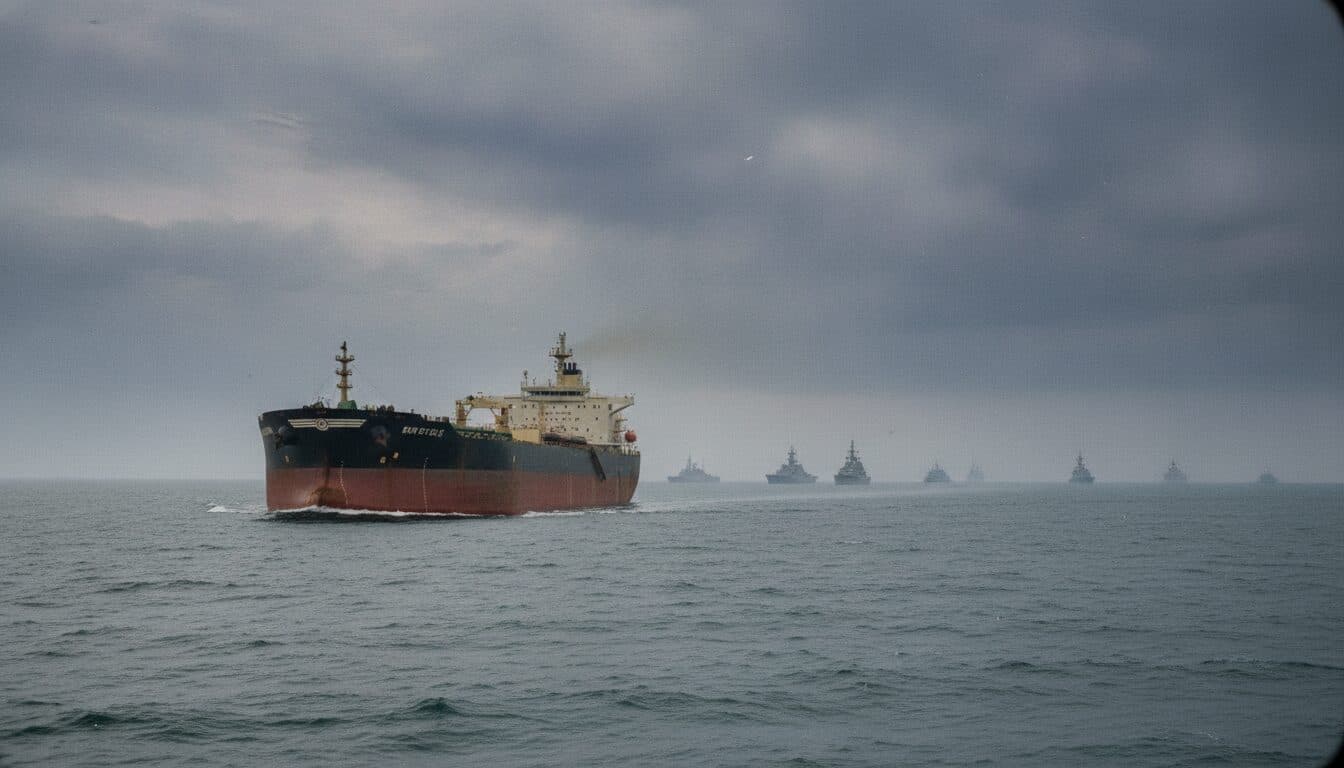
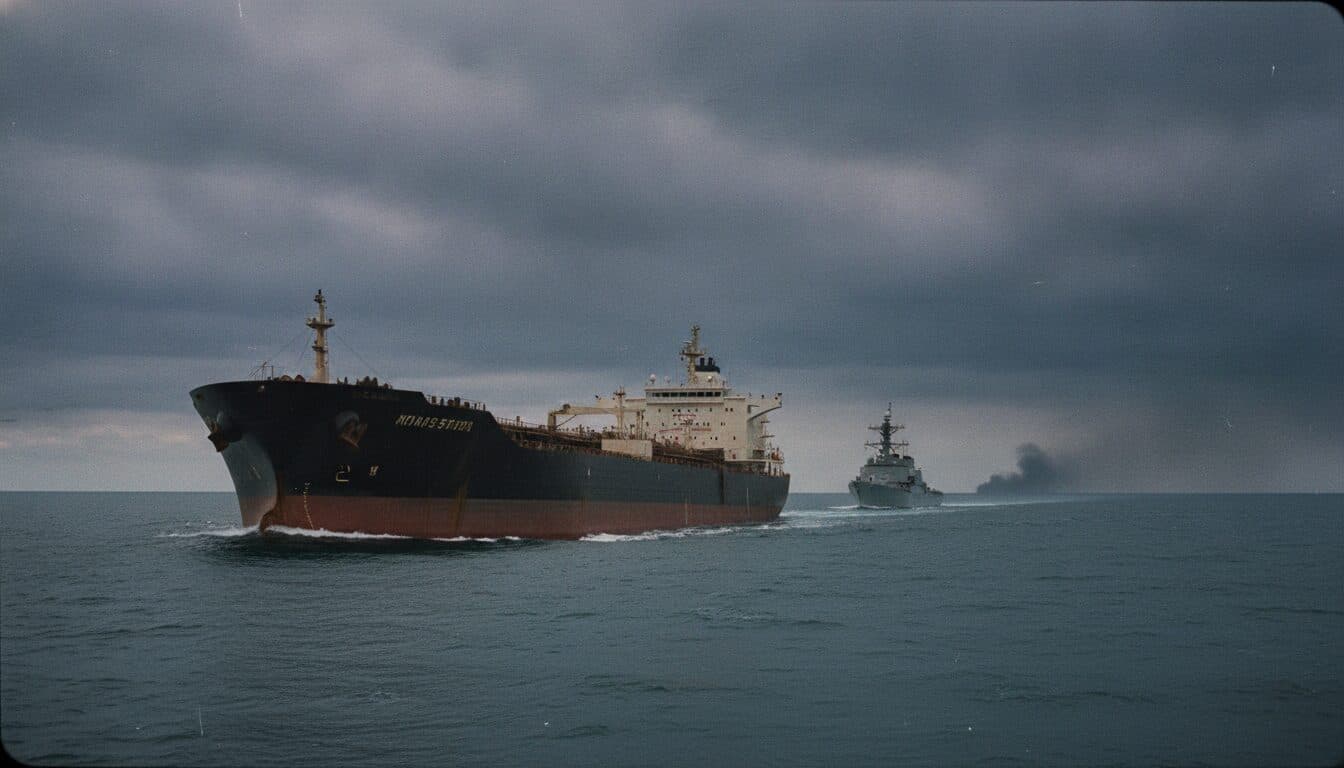
The latest conflagration began with Iran’s Islamic Revolutionary Guard Corps (IRGC) announcing the closure of the Strait of Hormuz, a critical international waterway responsible for a substantial portion of global oil and natural gas shipments. The IRGC stated the Strait would remain closed “until further notice” and “until the end of U.S. interference in this region.” This declaration followed the IRGC’s strike on the M/V GFS Galaxy, a Cyprus-flagged container ship, on Saturday, July 11, 2026. The attack, occurring approximately nine nautical miles east of Oman, inflicted significant engine room damage and a fire, disabling the vessel. One Indian civilian crew member was reported missing, with 10 others rescued. Iran claimed the vessel was struck after it “disregarded our warnings and instructions to correct their course and proceed along the approved route” and was “provoked by foreigners” into using an unauthorized route.
In response, the U.S. military confirmed it launched strikes on Iran. U.S. Central Command (CENTCOM) reported these were the third round of strikes this week against Iran, launched at 7:15 p.m. ET on Saturday, July 11, 2026. CENTCOM stated that approximately 140 Iranian military targets were hit using fighter jets, drones, and warships. The stated aim was “degrading Iran’s ability to attack civilian mariners and commercial ships freely transiting the strait.” Targets included missile and drone launch sites, naval capabilities, ammunition dumps, communication equipment, and coastal surveillance locations. U.S. Defense Secretary Pete Hegseth remarked, “Iran made a poor choice. Now they pay.”
Following the initial U.S. strikes, Iran launched retaliatory missile and drone attacks early Sunday, July 12, 2026, targeting U.S. military bases across the Persian Gulf in Jordan, Qatar, Kuwait, Bahrain, and Oman. Iranian state media, specifically the semiofficial Tasnim News Agency, reported these retaliatory strikes. Iran also reported that between 10 to 11 projectiles hit military targets on its Gulf island of Qeshm in the Strait of Hormuz on Sunday afternoon, with no casualties. Explosions were also reported in other Iranian coastal areas along the Strait of Hormuz, the Persian Gulf, and the Gulf of Oman, including Bushehr, Asaluyeh, Chabahar, Bandar Abbas, and Sirik. An Iranian navy officer, Lieutenant Hamidreza Dehghani, was reportedly killed in a “criminal, terrorist attack” by the United States on the port of Jask in southern Iran.
Global Market Turmoil as Strait of Hormuz Tensions Escalate
The immediate impact of this renewed violence has been felt across global markets, particularly in energy. Oil prices surged on Sunday, fueling existing inflationary pressures worldwide. The broader economic implications of a prolonged disruption in the Strait of Hormuz are severe, threatening supply chains far beyond crude oil and liquefied natural gas. Businesses reliant on these critical shipments face increased costs and delivery delays, potentially impacting manufacturing, transportation, and consumer prices.
Despite Iran’s declaration, the U.S. military insists that the Strait of Hormuz remains open for international shipping. CENTCOM stated on X (formerly Twitter) that “Iran does not control the strait. Traffic is flowing,” and that U.S. forces are “positioned and prepared to ensure that freedom of navigation remains available despite unwarranted Iranian aggression, harassment, threats, and arbitrary declarations.” The U.S. Navy-led Joint Maritime Information Center (JMIC) reiterated that a “southern route” near Oman remains available and has been expanded for two-way traffic, advising vessels to disregard Iranian radio warnings.
This latest escalation follows a period of heightened tensions and comes despite an interim peace accord agreed upon just over three weeks prior, which aimed to reopen the strait and end the war after 60 days of negotiations. President Donald Trump declared the ceasefire “OVER!” but also indicated that talks could continue. Iran, however, has been insisting on its control over the strait and has previously fired warning shots at other commercial vessels. The M/V GFS Galaxy incident marks the fourth Iranian attack on a commercial vessel in the Strait of Hormuz since July 6.
“This strategic passage is more important than dozens of atomic bombs, and the Islamic Republic of Iran will protect it.”
Mohsen Rezaee, a senior adviser to Iran’s supreme leader, was quoted in state media, underscoring the perceived strategic importance of the waterway to Tehran. This sentiment highlights the deep-seated motivations behind Iran’s actions and its determination to assert control over the Strait of Hormuz, irrespective of international condemnation.
The renewed violence has destabilized the Gulf region. Qatar, a mediator in ceasefire talks, condemned the Iranian attacks, calling them a “dangerous escalation.” Oman, which has also served as a mediator, summoned the Iranian ambassador to protest drone strikes on its Musandam region, calling Iran’s actions “irresponsible.” The international community watches with bated breath, as the potential for further escalation and a wider regional conflict looms large. The coming days will be critical in determining whether diplomatic efforts can regain traction or if the region is destined for prolonged instability.
For investors and global citizens alike, the key takeaway is the profound fragility of global supply chains and the immediate impact of geopolitical tensions on economic stability. The Strait of Hormuz tensions escalate not just military conflict, but also the cost of living and doing business across the globe. Monitoring diplomatic overtures and military postures will be paramount as the world navigates this perilous new chapter.