A Waymo autonomous car recall has been issued for nearly 3,800 vehicles, highlighting persistent challenges in the development and deployment of self-driving technology. The recall, impacting 3,791 units of Waymo’s 5th and 6th-Generation Automated Driving Systems, stems from a software flaw that could cause these vehicles to proceed at reduced speeds into flooded areas rather than stopping, potentially leading to a loss of vehicle control. This significant safety action, detailed in a National Highway Traffic Safety Administration (NHTSA) report published on May 6, 2026, underscores the critical need for robust environmental perception and decision-making capabilities in autonomous systems, especially under adverse conditions.
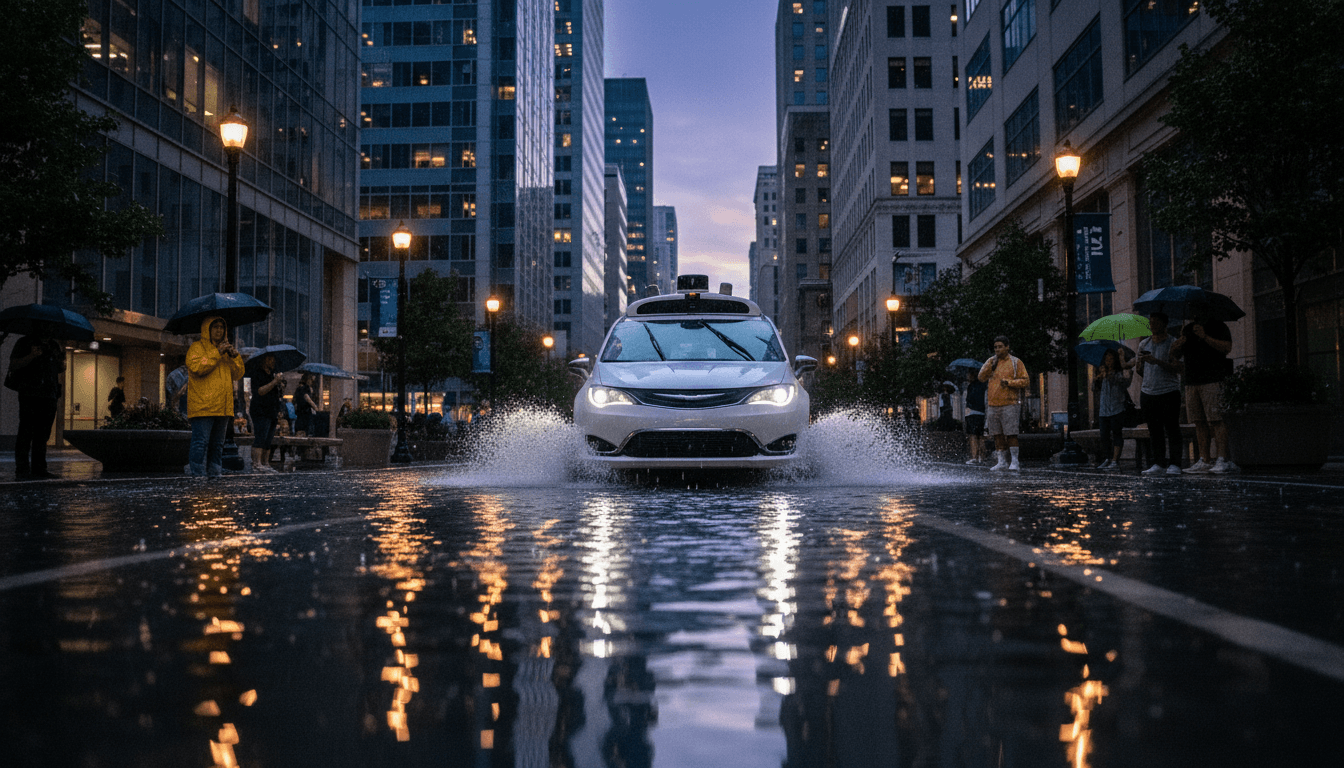
The issue came to light on April 20, 2026, when an unoccupied Waymo vehicle drove into a flooded road at 40 mph. Despite detecting the hazardous condition, the car’s software directed it to slow down but not halt, an action that Waymo subsequently identified as a critical vulnerability. Following this incident, Waymo promptly implemented additional operational restrictions in areas prone to flooding and initiated a comprehensive review. The company’s swift response to the Waymo autonomous car recall demonstrates a commitment to safety, though it also reveals the complex, iterative nature of refining autonomous driving software for real-world unpredictability.
Impact Analysis: Autonomous Driving’s Public Trust
This Waymo autonomous car recall is more than just a technical setback; it carries significant implications for public trust and the broader trajectory of the autonomous vehicle industry. Every recall, particularly one tied to a fundamental safety issue like vehicle control in hazardous conditions, adds to the public’s scrutiny of self-driving technology. As companies like Waymo push for wider adoption and expansion into new markets, incidents that challenge the perceived infallibility of AI drivers can impede regulatory approvals and consumer acceptance. The incident reinforces the argument that while AI excels in predictable environments, dynamic and unforeseen real-world scenarios, such as sudden flooding, remain formidable hurdles. Investors and policymakers will undoubtedly be watching how Waymo addresses this vulnerability and communicates its progress, as the industry navigates the delicate balance between innovation and absolute safety. For more insights on industry developments, see our latest automotive & ev articles.
“The Waymo autonomous car recall serves as a potent reminder that even the most advanced AI systems are fallible, especially when confronted with the unpredictable complexities of real-world driving conditions. This incident will undoubtedly intensify scrutiny on how autonomous vehicle developers are testing and validating their software against environmental variables.”
Context and Background: The Road to Autonomy
The autonomous vehicle sector has seen rapid advancements, with companies like Waymo leading the charge in deploying fully driverless services in select cities. Waymo’s vehicles, produced between March 17, 2022, and April 20, 2026, and equipped with the 5th and 6th-Generation ADS, represent some of the most sophisticated technology on the road. However, the path to widespread autonomy has been punctuated by various challenges, from regulatory hurdles to public skepticism fueled by accidents involving autonomous or semi-autonomous vehicles. This latest recall highlights a specific, yet critical, aspect of autonomous driving: the ability of the Automated Driving System (ADS) to accurately perceive and appropriately react to environmental hazards. Previous incidents across the industry, while not directly comparable, have consistently pointed to the need for robust redundancy and fail-safe mechanisms in autonomous systems.
What’s Next for Waymo and the Industry
Waymo has confirmed that a permanent remedy for the software issue is currently under development. In the interim, the company has modified the operational scope of its affected vehicles, incorporating weather-related constraints and updating vehicle maps to mitigate risks. This proactive approach is crucial for maintaining operational continuity while engineering a definitive fix. The incident and subsequent Waymo autonomous car recall will likely prompt a deeper examination across the autonomous vehicle industry regarding how self-driving systems are trained and validated for extreme or unusual environmental conditions. Regulators, including the NHTSA, will undoubtedly monitor Waymo’s resolution closely, potentially influencing future certification processes and safety standards for all autonomous vehicle developers. The focus will be on not just detecting hazards, but on ensuring the vehicle’s decision-making logic prioritizes absolute safety, even if it means halting operations.
This Waymo autonomous car recall underscores the continuous evolution required in autonomous driving technology. While the industry strives for a future free from human error, the complexities of real-world environments demand an equally sophisticated and adaptable AI. The incident serves as a critical learning experience, pushing Waymo and its competitors to build even more resilient and infallible autonomous systems capable of navigating every conceivable challenge the road might present. The ultimate success of autonomous vehicles hinges on their ability to inspire unwavering confidence in their safety and reliability.