Groundbreaking EV charging technology has been unveiled by Chinese automotive giant Geely, setting a new industry benchmark by enabling an electric sedan to charge from 10% to 70% in just over four minutes. This stunning achievement, announced on April 9, 2026, positions Geely, through its Lynk & Co brand, at the forefront of the race to make electric vehicle charging times comparable to traditional internal combustion engine refueling.
The Lynk & Co 10, equipped with Geely’s innovative Golden Brick battery, demonstrated a remarkable charging performance. According to Auto Plus, the vehicle achieved a 10% to 70% charge in a mere 4 minutes and 22 seconds. Pushing further, it reached 80% capacity in 5 minutes and 32 seconds, and an impressive 97% in 8 minutes and 42 seconds. These figures not only set a new standard but also surpass recent claims by competitor BYD, which reportedly required 5 minutes and 9 minutes for similar charging levels. The core of this advancement lies in a sophisticated 900-volt architecture, delivering a peak charging power of 1100 kW. Crucially, the system maintains a charging rate above 500 kW even beyond 80% capacity, a point where most EVs typically throttle power to safeguard battery health.
The Infrastructure Imperative for Ultra-Fast Charging
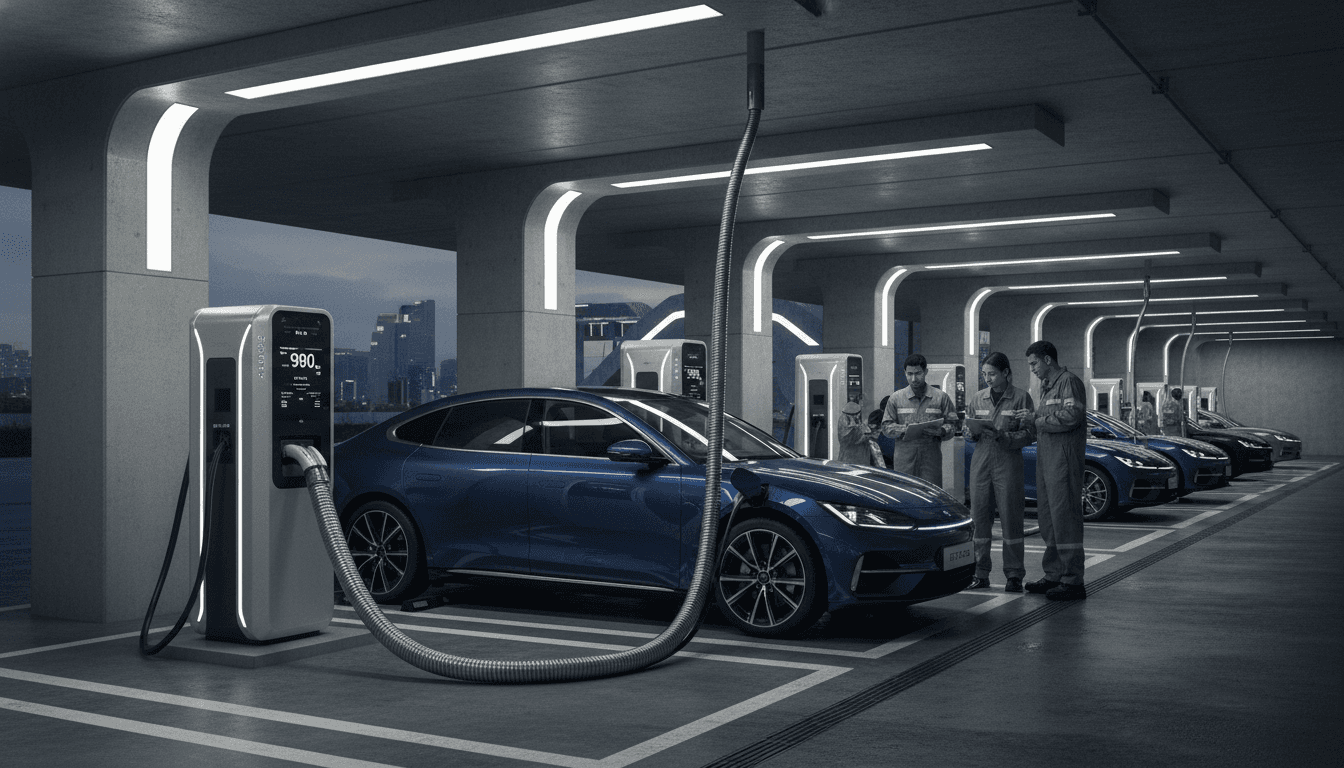
While the battery technology is revolutionary, the successful deployment of such ultra-fast charging capabilities is inextricably linked to the availability of dedicated infrastructure. The record-setting tests were conducted using Zeekr’s V4 megawatt flash charging stations, a proprietary development within the Geely group. These advanced stations are engineered to deliver up to 1300 kW of peak power through a single connector, utilizing full liquid cooling systems to manage the intense heat generated during high-power energy transfer. This highlights a critical shift in the EV ecosystem: charging capabilities are now as much about the grid and charging station technology as they are about the vehicle’s battery itself. The seamless integration of vehicle and charging station is paramount to realizing these unprecedented speeds.
Despite this significant technological leap, the widespread deployment of these megawatt charging stations faces considerable hurdles. Geely has yet to provide a definitive timeline for a broader rollout. As of late February 2026, Geely’s network, as cited by CarNewsChina, encompassed 2103 stations and over 10,200 charging points across 215 cities. This impressive infrastructure includes more than 6200 highway chargers and over 1000 ultra-fast 800V stations, but megawatt-level chargers are not yet publicly accessible. This gap between cutting-edge vehicle technology and accessible charging infrastructure presents a significant challenge for mass adoption. For more insights on the evolving EV charging landscape, explore related automotive & ev articles.
“The race to reduce EV charging times is no longer solely a battery chemistry challenge; it’s an infrastructure and thermal management grand prix. Geely’s breakthrough underscores how integrated system design, from cell to grid, will define the next era of electric mobility.”
In contrast, rival BYD continues its aggressive expansion of charging infrastructure, recently opening its 5000th megawatt flash charging station. BYD has an ambitious target of reaching 20,000 units by the end of the year, demonstrating robust momentum in building out its network. This disparity in infrastructure rollout timelines suggests that while Geely may hold a momentary lead in peak charging performance, the practical benefits for consumers will depend heavily on how quickly and broadly these megawatt stations become available.
What’s Next for Ultra-Fast EV Charging Below Five Minutes
The immediate future will see intense competition in both battery and charging infrastructure development. Geely’s announcement will undoubtedly spur other automakers and charging network providers to accelerate their own research and deployment efforts. The focus will likely shift from merely achieving high peak power to sustaining those power levels for longer durations without compromising battery health or safety. Furthermore, the standardization of these megawatt-level charging protocols will be crucial for interoperability and consumer convenience, preventing a fragmented charging landscape.
Geely’s achievement with ultra-fast charging below five minutes is more than just a technical triumph; it represents a significant psychological breakthrough for electric vehicle adoption. By addressing one of the primary concerns of potential EV buyers – range anxiety compounded by charging duration – Geely has moved the industry closer to a future where electric vehicles are not just environmentally superior but also practically indistinguishable from their fossil-fueled counterparts in terms of refueling convenience. The coming months will reveal whether Geely can translate this laboratory success into a widespread, accessible reality for consumers worldwide.