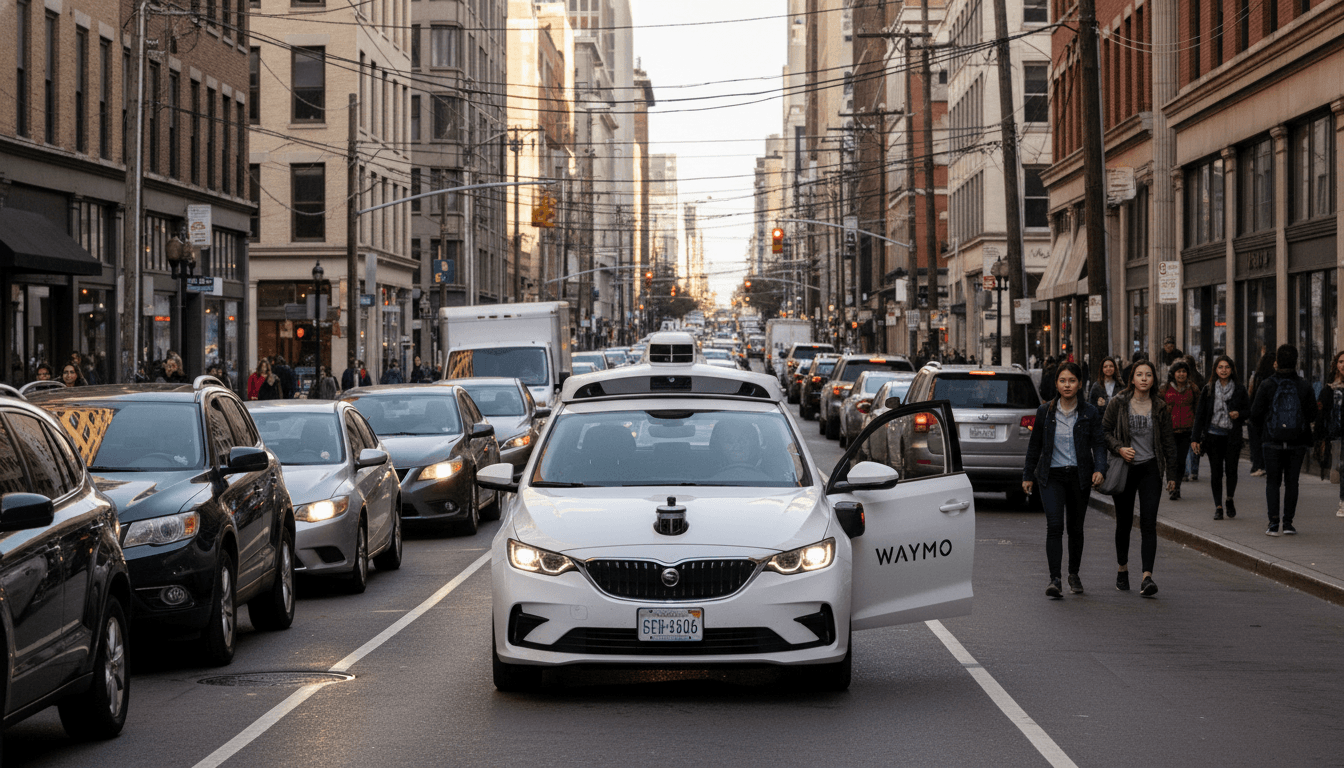
Texans can now report any safety complaints about self-driving cars directly to the Texas Department of Motor Vehicles (TxDMV), marking a significant step in the state’s oversight of autonomous vehicles (AVs). This new mechanism, introduced via a dedicated webpage, comes as Texas solidifies its position as a national leader in the deployment of self-driving cars on its roads.
The initiative stems from Senate Bill 2807, which went into effect just last month, establishing a framework for autonomous vehicle oversight and empowering residents to voice their concerns. The new “Automated Motor Vehicle Lookup” webpage on the TxDMV site serves as the central hub for submitting these safety complaints and for the public and law enforcement to verify an AV company’s state authorization.
The TxDMV emphasized that automated vehicles are subject to the same traffic laws and public safety standards as any other vehicle. Their statement clarifies that administrative enforcement of the issued authorization to operate AVs for commercial purposes falls under their purview. This new authority grants the department the power to suspend, revoke, cancel, or restrict a company’s authorization if AVs are found to be operating unsafely and endangering the public. Companies will be notified to rectify issues and provide certification of resolution before their driverless cars can return to the streets.
Self-Driving Car Complaint Portal’s Impact
The introduction of this self-driving car complaint portal is a pivotal moment for the autonomous vehicle industry in Texas, and by extension, nationally. It signifies a maturation of regulatory frameworks adapting to rapidly evolving technology. Texas hosts at least 10 autonomous vehicle taxi companies, with Waymo having the largest fleet. The timing of this new portal is particularly relevant given recent operational challenges faced by Waymo, which temporarily paused services in Houston, Austin, Dallas, and San Antonio last month. These pauses followed reports of various safety hazard issues, including instances of vehicles driving into oncoming traffic and failing to respond appropriately to emergency vehicles.
“Automated vehicles are subject to the same traffic laws and public safety standards as any other vehicle. Administrative enforcement of the issued authorization to operate automated vehicles for a commercial purpose is the authority of the Texas Department of Motor Vehicles,” says the TxDMV in a statement.
The ability for the public to directly report issues could lead to more rapid identification of systemic problems and faster corrective actions by AV operators. For companies, it means increased accountability and a stronger incentive to ensure the robustness and safety of their technology before widespread deployment. This transparency could also build consumer trust, which is crucial for the broader adoption of autonomous mobility solutions.
Context & Background
Texas has long been a frontier for AV testing and deployment, attracting numerous companies due to its favorable regulatory environment and sprawling urban landscapes. However, as the presence of driverless cars has grown, so too has public scrutiny and the need for robust oversight. The incidents involving Waymo, while not unique to Texas or Waymo, underscore the complexities and potential risks associated with autonomous driving technology, even as it promises significant advancements in safety and efficiency. This new self-driving car complaint portal is a direct response to the growing operational footprint and the accompanying public safety concerns.
The move by Texas could set a precedent for other states grappling with how to regulate the burgeoning AV industry. While federal guidelines exist, much of the day-to-day oversight and operational authorization falls to state agencies. The TxDMV’s proactive stance in creating a clear reporting and enforcement mechanism offers a template for balancing innovation with public safety.
What’s Next
The immediate future will see the TxDMV actively monitoring submissions to the new self-driving car complaint portal. The effectiveness of this system will depend on both public engagement in reporting incidents and the TxDMV’s efficiency in investigating and enforcing compliance. AV companies operating in Texas will likely enhance their internal safety protocols and reporting mechanisms to proactively address potential issues identified through the portal, aiming to avoid suspensions or revocations of their operating authorizations. This could lead to a more rigorous testing and validation process for software updates and operational expansions.
Longer term, the data collected through this portal could inform future legislative efforts, refining existing laws and potentially introducing new regulations to address emerging challenges in autonomous vehicle operation. The success of this Texas initiative could also influence federal discussions on a unified national framework for AV regulation, ensuring a consistent approach to safety and accountability across state lines. The ongoing dialogue between regulators, industry, and the public will be critical in shaping the future of autonomous transportation.
Key Takeaway
The launch of Texas’s self-driving car complaint portal represents a significant regulatory milestone, empowering citizens and enhancing oversight in the rapidly expanding autonomous vehicle sector. This move underscores the critical balance between fostering technological innovation and ensuring public safety, setting a precedent for how states can effectively manage the deployment of driverless cars and build public confidence in their future.