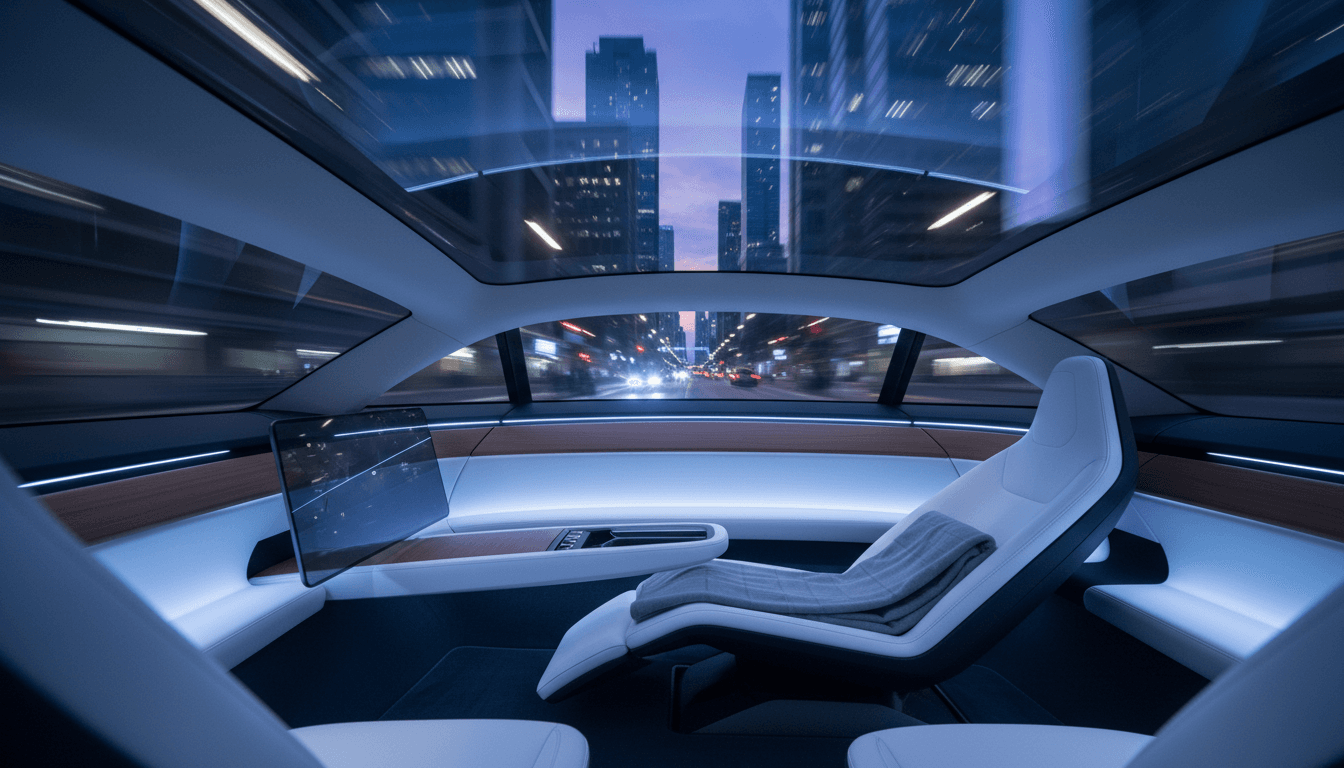
Tesla’s autonomous driving promise, a recurring theme in the automotive industry, has once again been advanced by CEO Elon Musk, who now suggests the company could achieve Level 4 or 5 full self-driving capabilities by the end of this year. Speaking at the 2023 World Artificial Intelligence Conference in Shanghai on Thursday, Musk stated that Tesla is “very close to achieving full self-driving without human supervision” and anticipates reaching this significant milestone “later this year.” This declaration, reported by Mashable on April 9, 2026, marks the latest in a series of ambitious timelines set by the enigmatic CEO regarding the company’s autonomous vehicle technology.
The Recurring Autonomous Driving Promise
Elon Musk, despite his myriad ventures and recent public attention on the Twitter/Threads saga, remains at the helm of Tesla, and with that role comes the consistent, if often delayed, pronouncements on the future of self-driving. His latest remarks pertain to SAE International’s highest standards for autonomous driving: Level 4, which denotes near-autonomous operation in specific conditions without driver intervention, and Level 5, representing full autonomy in all driving conditions without any human supervision. Currently, Tesla’s ‘Full Self-Driving’ (FSD) assistance package operates at an approximate Level 2, requiring active driver engagement and readiness to take control at all times.
This isn’t the first time Musk has set an aggressive deadline for Tesla’s autonomous capabilities. In 2016, he projected full autonomy within approximately 5.5 years. A year later, in 2017, he famously claimed a Tesla would drive autonomously coast-to-coast in the U.S. within 3-6 months, a claim later undermined by revelations that a promotional video demonstrating a similar feat in 2016 was staged. Since 2019, promises of a more advanced FSD beta have been consistently made. Musk himself acknowledged in Shanghai, “I’ve been wrong about this prediction in the past,” but added, “I feel we’re closer to it than we ever have been.” The “later this year” timeline, given that it is July, presents a highly ambitious target for the company.
“We are very close to achieving full self-driving without human supervision… I think later this year.”
The distinction between Tesla’s current Level 2 system and the envisioned Level 4 or 5 is substantial. While Level 2 provides assistance, the driver remains ultimately responsible. Level 4 and 5 fundamentally shift that responsibility, allowing for scenarios like a driver inputting a destination and then sleeping as the car navigates. Mercedes-Benz has made strides in Level 4 autonomy, though currently limited to a single specific parking scenario in Germany. No commercially available vehicle has yet achieved Level 5 autonomy, underscoring the magnitude of Tesla’s latest autonomous driving promise.
Impact Analysis on the Broader Automotive & EV Landscape
Should Tesla genuinely achieve Level 4 or 5 autonomy by the end of 2023, the impact on the automotive and EV industries would be nothing short of seismic. Such a breakthrough would not only validate years of significant investment and research by Tesla but would also fundamentally redefine expectations for all competitors. It would accelerate the race towards fully autonomous vehicles, potentially leaving traditional automakers and other EV manufacturers scrambling to catch up. The regulatory landscape would also face immense pressure to adapt to a new paradigm of driverless mobility. Furthermore, it could unlock new business models for ride-sharing and logistics, drastically altering urban planning and transportation infrastructure globally. The market capitalization of Tesla, already substantial, could see an unprecedented surge, solidifying its position as a technological leader beyond just electric powertrains. Conversely, another missed deadline risks further eroding investor and public confidence in Musk’s ambitious pronouncements, despite Tesla’s continued success in EV sales.
What’s Next for Autonomous Driving?
The coming months will be critical in determining the veracity of Musk’s latest claim. Tesla will need to demonstrate not just incremental improvements to its FSD beta, but a leap to a truly unsupervised system that can handle complex driving scenarios consistently and safely. The industry will be watching closely for concrete evidence, perhaps through regulatory filings, independent testing, or widespread public release of a significantly upgraded FSD version. Competitors like Waymo, which recently began offering fully autonomous rides in Nashville, and other traditional automakers investing heavily in their own autonomous programs, will be scrutinizing Tesla’s progress. The implications for insurance, liability, and public acceptance of driverless cars also hang in the balance. If Tesla delivers, it will set a new benchmark; if it falls short again, the skepticism surrounding its autonomous capabilities will only deepen, forcing a re-evaluation of its long-term strategy in this critical technology space.
Key Takeaway
Elon Musk’s latest declaration regarding Tesla’s imminent achievement of Level 4 or 5 autonomous driving is a pivotal moment for the automotive industry. It underscores the intense competition and the high stakes involved in the race for full self-driving capabilities. Whether this aggressive timeline is a genuine technological breakthrough or another aspirational target remains to be seen, but its outcome will undoubtedly shape the future trajectory of autonomous vehicle development and the broader EV market.