The solid-state battery revolutionizes EVs, marking a pivotal moment for the electric vehicle industry as a new advancement promises to dramatically reshape performance, range, and consumer adoption. Announced on Monday, April 13, 2026, this development, detailed by AOL.com, suggests a fundamental shift in energy storage technology, moving beyond the limitations of traditional lithium-ion batteries.
The Story Behind Solid-State Battery Revolutionizes EVs
While specific entities involved in this breakthrough were not detailed in the initial report, the mere announcement of a functional solid-state battery capable of ‘revolutionizing electric vehicles’ signifies a significant leap forward. This technology has long been considered the holy grail of EV power, promising higher energy density, faster charging times, enhanced safety, and a longer lifespan compared to current liquid electrolyte solutions. The implications are profound for manufacturers, suppliers, and, most importantly, consumers.
For years, solid-state battery technology has been confined largely to research labs and pilot programs, facing challenges in scalability, cost-effectiveness, and real-world performance. The AOL.com report on April 13, 2026, suggests these hurdles are being overcome, indicating a maturity level that positions this technology for commercial viability. This could mean a rapid acceleration in EV performance metrics, potentially rendering many existing EV models and battery architectures obsolete in the coming decade.
Impact Analysis
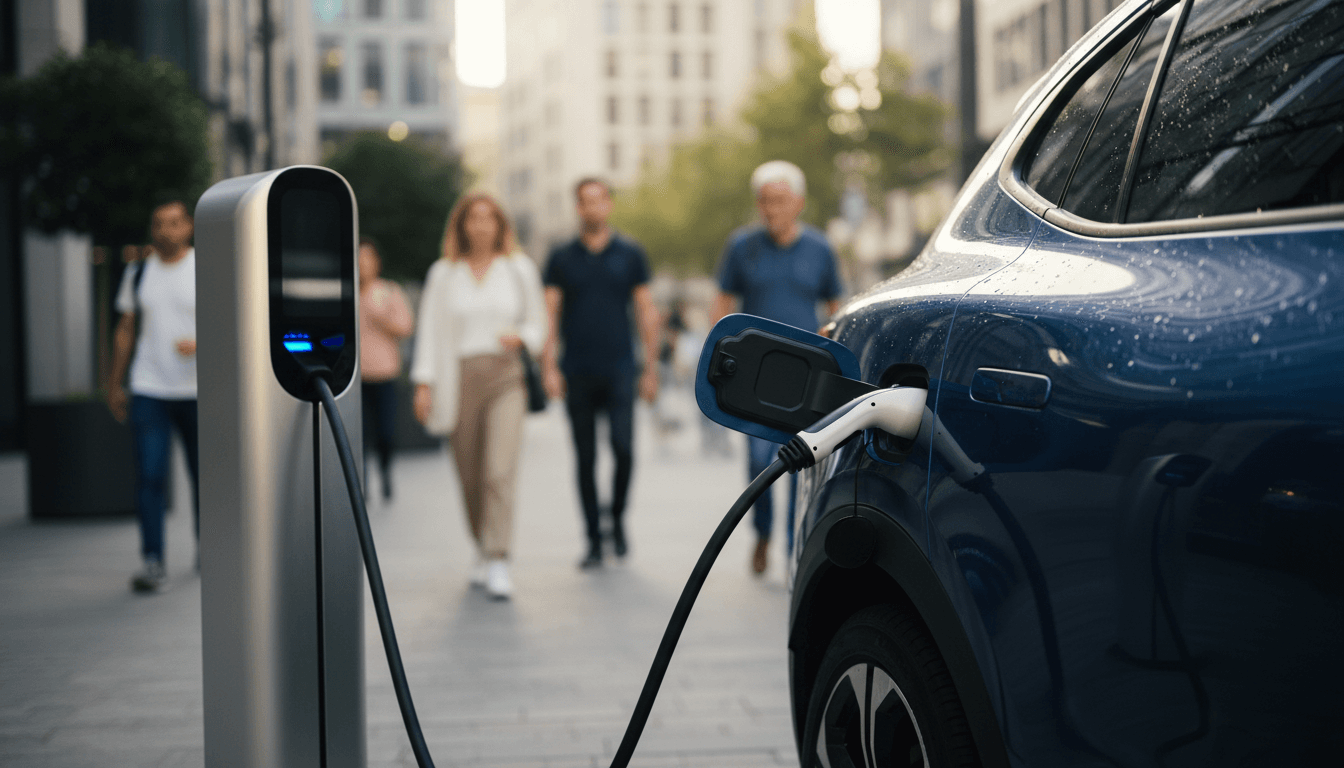
The advent of a practical solid-state battery revolutionizes EVs across multiple fronts. For consumers, the most immediate benefits will be extended range, significantly reduced charging times – potentially matching or even surpassing gasoline refueling speeds – and improved safety due to the elimination of flammable liquid electrolytes. This addresses some of the primary concerns that have slowed broader EV adoption. For manufacturers, this breakthrough could unlock new design possibilities, reduce vehicle weight, and simplify battery pack integration. It also presents a strategic advantage for companies that can quickly adapt and integrate this new technology into their product lines.
“This isn’t just an incremental improvement; it’s a foundational shift that could redefine what’s possible for electric mobility, fundamentally changing the competitive landscape.”
The competitive landscape within the automotive and EV sectors is set for a dramatic shake-up. Companies that have heavily invested in current lithium-ion battery production or have not adequately prepared for a solid-state future may find themselves at a disadvantage. Conversely, those who have been quietly developing or partnering on solid-state solutions are poised for substantial gains. This development could also impact the raw materials market, potentially shifting demand away from certain commodities and towards others critical for solid-state formulations.
Context & Background
The pursuit of solid-state batteries has a long history, dating back decades, driven by the inherent limitations of liquid electrolyte batteries. Early research focused on ceramic and polymer electrolytes, each presenting their own set of challenges, from ion conductivity to mechanical stability. Over the past five years, there has been an intensified global race, with major automotive OEMs and battery specialists pouring billions into R&D. Companies like Toyota, QuantumScape, and Solid Power have been prominent in the news with their respective solid-state advancements, albeit often with caveats regarding commercial readiness or specific performance metrics. This April 13, 2026, announcement from AOL.com suggests a critical inflection point, moving from theoretical promise to tangible impact.
Previous industry trends have seen a steady increase in lithium-ion battery energy density and a decrease in cost, enabling the current generation of EVs. However, the rate of improvement has begun to plateau, making a breakthrough technology like solid-state essential for the next wave of EV innovation. Supply chain vulnerabilities and ethical sourcing concerns for current battery materials have also spurred the search for alternative chemistries.
What’s Next
The immediate future will likely involve a flurry of announcements from automakers and battery suppliers detailing their specific plans for integrating this revolutionary solid-state battery technology. We can expect to see concept vehicles and prototypes showcasing the enhanced capabilities, followed by concrete timelines for mass production and market availability. Regulatory bodies may also need to adapt charging infrastructure standards to accommodate the faster charging speeds these batteries promise. The global competition to secure supply chains for solid-state battery components will intensify, potentially leading to new strategic alliances and investments.
The coming months will be crucial for understanding the full scope of this innovation. Will it be primarily for premium segments first, or can it be scaled rapidly for mass-market adoption? What will be the initial cost premium, and how quickly will it fall? These are the questions that will dominate discussions at upcoming industry conferences and investor calls. The Financial Standard’s Automotive & EV desk will be closely monitoring these developments.
Key Takeaway
The announcement of a solid-state battery that truly revolutionizes EVs is more than just a technological update; it represents a fundamental recalibration of the entire automotive industry’s future. It signals an era where electric vehicles can finally shed their remaining compromises, offering performance, convenience, and safety that will make them undeniably superior to internal combustion engine vehicles. This development on April 13, 2026, sets the stage for a dramatic acceleration in the transition to sustainable transportation, with profound implications for global energy markets, urban planning, and environmental policy.