A landmark Samsung Mercedes deal is nearing finalization, promising to place Korean batteries in the German automaker’s electric cars starting in 2028 and fundamentally altering the global automotive industry landscape. This historic agreement, reported by CPG Click Petróleo e Gás on Friday, April 17, 2026, signals a significant shift in supply chain dynamics and strategic alliances within the burgeoning Electric Vehicle (EV) sector.
The Story: A Strategic Alliance Takes Shape
The core of this developing narrative revolves around two industry titans: Samsung, a South Korean conglomerate with vast technological prowess, and Mercedes-Benz, the iconic German luxury automotive manufacturer. While specific details of the agreement remain under wraps as negotiations finalize, the key takeaway is clear: Samsung will supply batteries for Mercedes-Benz’s electric vehicles, with implementation slated for 2028. This isn’t merely a transactional deal; it represents a deepening of ties between a leading battery producer and a premium automaker, potentially solidifying Mercedes-Benz’s future EV strategy and giving Samsung a formidable anchor client in the European luxury market.
The implications extend beyond just battery cells. Such a partnership often involves co-development, shared technological roadmaps, and a tightly integrated supply chain. For Mercedes-Benz, it secures a long-term, high-quality battery supply from a proven innovator, crucial for scaling up EV production and meeting ambitious electrification targets. For Samsung, it guarantees substantial volume and a prestigious brand association, further cementing its position as a top-tier battery supplier globally. This landmark Samsung Mercedes deal underscores the increasing importance of robust, diversified battery supply chains in the race for EV dominance.
Impact Analysis: Shifting Automotive & EV Dynamics
This potential agreement carries immense weight for the broader automotive and EV landscape. Firstly, it intensifies the competition among battery manufacturers. With Samsung securing such a significant contract, other players like LG Energy Solution, SK On, CATL, and Panasonic will undoubtedly feel the pressure to secure similar long-term deals with major automakers. This could lead to a further consolidation of the battery supply market or, conversely, spur more aggressive innovation and pricing strategies.
Secondly, it highlights the growing trend of automakers seeking direct, long-term partnerships with battery suppliers, moving away from more transactional relationships. This vertical integration or deep collaboration is becoming essential to mitigate supply chain risks, control costs, and ensure access to cutting-edge battery technology. For Mercedes-Benz, aligning with Samsung could provide a competitive edge in battery performance, range, and charging capabilities, critical differentiators in the premium EV segment. The automotive & ev industry is increasingly defined by these strategic alliances.
“This Samsung Mercedes deal isn’t just about batteries; it’s about securing future competitive advantage in a rapidly evolving electric vehicle ecosystem. It sets a precedent for how global automakers and tech giants will collaborate.”
Thirdly, the 2028 timeline provides a clear benchmark for when this new supply chain will come online. This gives both companies ample time for R&D, factory ramp-ups, and integration, but also signals to competitors that Mercedes-Benz’s long-term battery strategy is firming up. The move could also influence other European automakers to explore similar partnerships with Asian battery giants, or conversely, accelerate investments in domestic European battery production to reduce reliance on foreign suppliers.
Context & Background: A History of EV Evolution
The journey to this potential Samsung Mercedes deal is rooted in years of accelerating EV development and the increasing strategic importance of battery technology. Historically, automakers largely focused on internal combustion engine (ICE) technology, with batteries being a niche component. However, as global regulations tightened and consumer demand for EVs grew, batteries transformed from a component to the core of an EV’s value proposition and performance. Mercedes-Benz, like other legacy automakers, has been aggressively transitioning its portfolio towards electrification, investing billions in new EV platforms and battery research.
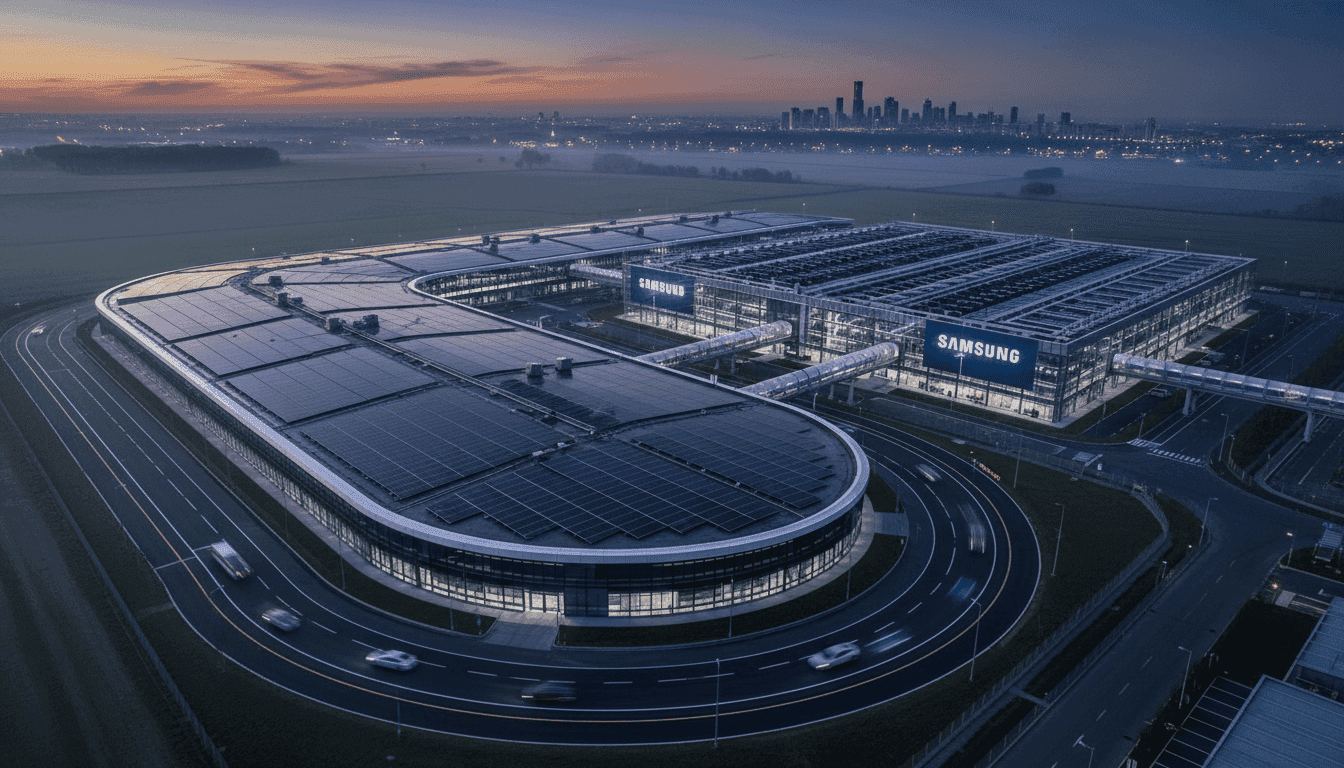
Samsung SDI, the battery arm of the Samsung group, has long been a significant player in the battery market, supplying various industries from consumer electronics to power tools. In recent years, it has ramped up its focus on automotive batteries, recognizing the immense growth potential. Its technological advancements in areas like solid-state batteries and high-nickel chemistries have positioned it as a leader in the field. Previous collaborations between automakers and battery suppliers, though perhaps not as high-profile, have laid the groundwork for such a significant alliance, demonstrating the mutual benefits of deep integration.
What’s Next: The Road to 2028 and Beyond
As Samsung and Mercedes-Benz finalize this historic agreement, the immediate next steps will involve formal announcements, detailed joint venture structures (if any), and the commencement of specific project planning. For Samsung, this will likely entail scaling up production capacities and potentially establishing dedicated lines or facilities to meet Mercedes-Benz’s specific requirements. For Mercedes-Benz, it means integrating Samsung’s battery technology into its upcoming vehicle architectures, optimizing performance, safety, and cost.
Looking further ahead, the success of this partnership could pave the way for expanded collaboration, perhaps into other vehicle segments or even joint ventures in battery recycling or next-generation battery development. The automotive world will be closely watching how this landmark Samsung Mercedes deal impacts vehicle performance, market share, and the overall trajectory of both companies. The 2028 target date will be a critical milestone, demonstrating the operational execution and strategic foresight behind this alliance. Future automotive & ev industry news will undoubtedly track its progress.
Key Takeaway: Why This Matters
This impending Samsung Mercedes deal is more than just a supply contract; it represents a powerful convergence of technology and automotive manufacturing, signaling a new era of strategic interdependence. It underscores that in the electric vehicle age, access to reliable, high-performance battery technology is paramount to an automaker’s survival and success. For Samsung, it solidifies its position as a global battery powerhouse, while for Mercedes-Benz, it secures a vital component for its ambitious electrification strategy. This alliance will undoubtedly influence future supply chain decisions across the industry, driving innovation and reshaping the competitive landscape for years to come.