Older Teslas will not be fully autonomous, a significant announcement reported by Business Insider on Thursday, April 23, 2026. This development confirms long-held suspicions among some owners and industry analysts, fundamentally altering the perceived value and future capabilities of a substantial portion of the existing Tesla fleet. The revelation effectively draws a hard line between newer models, equipped with advanced hardware capable of supporting future full self-driving functionalities, and their predecessors.
The Story: A Fork in the Road for Tesla Autonomy
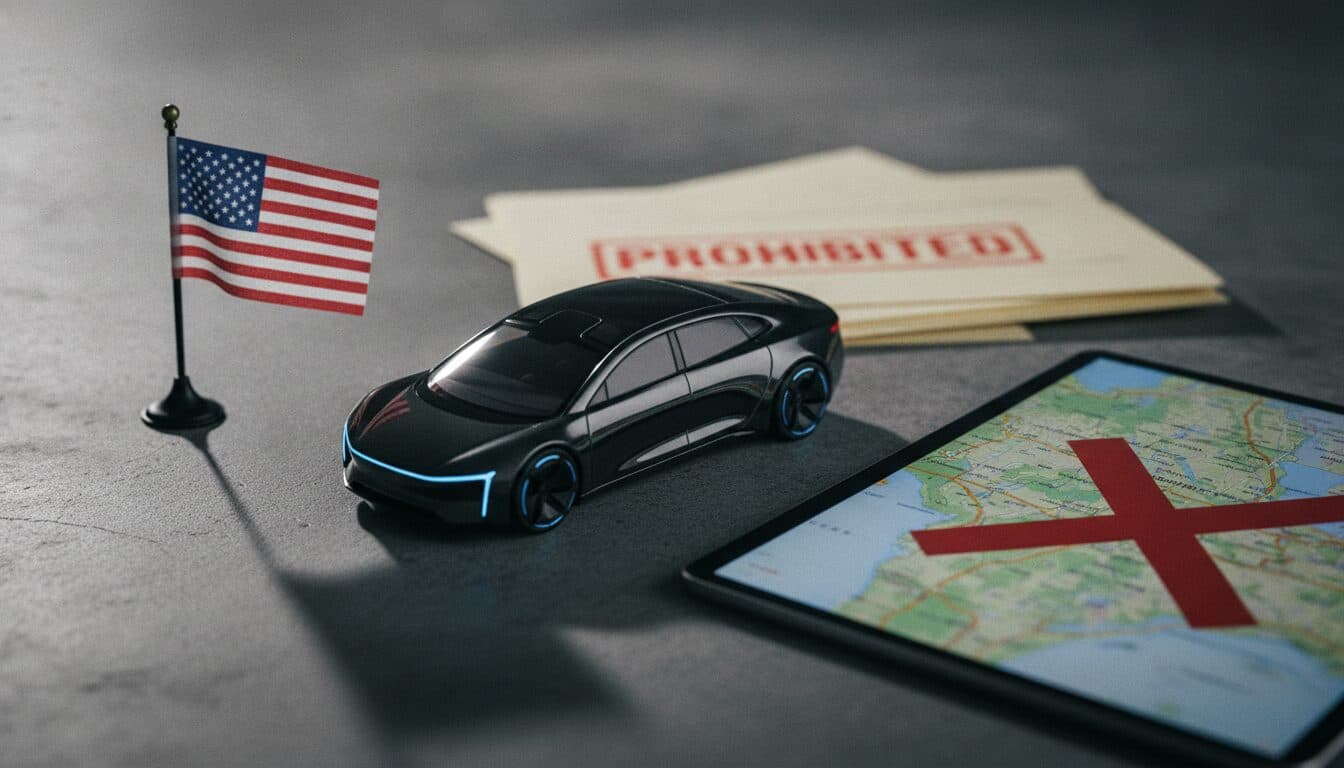
The core of this story, as detailed by Business Insider, is a definitive statement that older Teslas will not be fully autonomous. This isn’t merely a software upgrade limitation; it points to fundamental hardware differences that prevent older vehicles from achieving Level 5 autonomy, where the vehicle can handle all driving tasks in all conditions without human intervention. While specific hardware generations or cutoff dates were not explicitly detailed in the report, the implication is clear: a segment of Tesla’s customer base, who purchased their vehicles with the expectation or hope of eventual full autonomy, will not see that promise fulfilled.
For years, Tesla has marketed its Full Self-Driving (FSD) package as a future-proof investment, with the promise that vehicles would eventually achieve full autonomy through over-the-air software updates. This latest news, however, indicates a significant divergence from that narrative for many early adopters. The details, though concise in the Business Insider report, suggest a technical barrier that even Tesla’s renowned software prowess cannot overcome for these older models. This effectively creates a two-tiered system within the Tesla ecosystem, distinguishing between ‘future-ready’ and ‘legacy’ autonomous capabilities.
Impact Analysis: Shifting Expectations and Market Dynamics
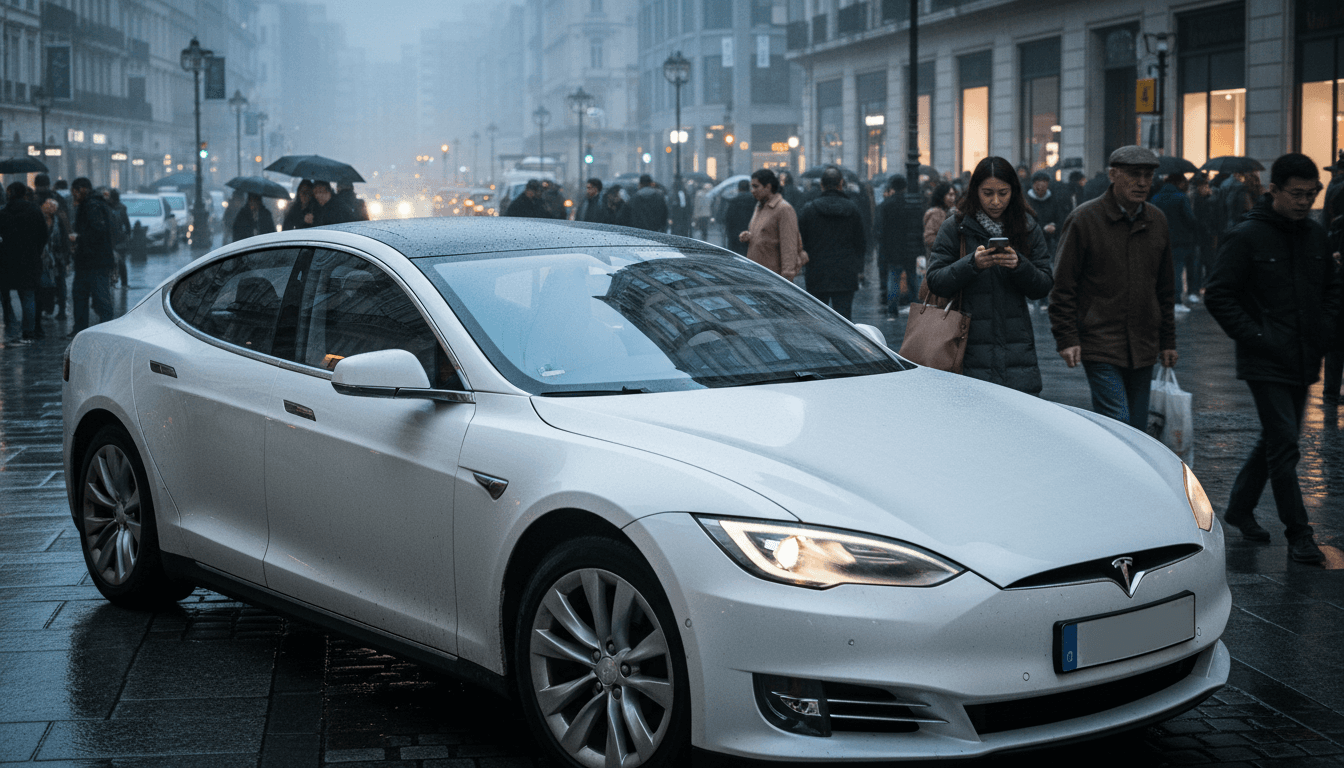
The announcement that older Teslas will not be fully autonomous carries substantial implications for the broader automotive and EV landscape. For current owners of affected vehicles, the news could lead to disappointment and potentially impact resale values. The ‘future-proofing’ aspect, a key selling point for Tesla’s FSD package, is now undermined for these cars. This could fuel customer dissatisfaction and potentially spark discussions around compensation or alternative solutions for those who paid for the FSD package on vehicles now deemed incapable of achieving full autonomy.
Beyond existing owners, this development influences the perception of Tesla’s ambitious autonomy roadmap. While the company continues to push boundaries with its FSD beta program, this clarification highlights the complex and hardware-dependent nature of achieving true Level 5 autonomy. It underscores the reality that incremental hardware improvements are as crucial as software advancements. Competitors in the autonomous driving space, both traditional automakers and tech giants, will undoubtedly observe this closely, potentially adjusting their own long-term autonomy strategies. The news also sets a precedent for how manufacturers manage customer expectations and hardware upgrade cycles in the rapidly evolving autonomous vehicle sector. Read more about the challenges in autonomous driving development.
“The realization that hardware limitations are a definitive barrier for achieving full autonomy in older models is a stark reminder that software alone cannot bridge every gap in the race towards self-driving cars.”
Context & Background: The Long Road to Autonomy
Tesla has been at the forefront of the autonomous driving conversation for over a decade, consistently pushing the envelope with its Autopilot and Full Self-Driving features. Early promises suggested a future where all Teslas would eventually become fully autonomous through software updates, a vision that captivated investors and consumers alike. The company has iteratively upgraded its hardware suites, from Autopilot Hardware 1 (HW1) through to the current HW4, each generation promising enhanced capabilities for processing sensor data and executing complex driving decisions.
However, the journey has been fraught with challenges, including regulatory scrutiny, public safety concerns, and ongoing debates about the definition and achievement of ‘full self-driving.’ This latest report on older Teslas will not be fully autonomous brings into sharp focus the technical hurdles that have always underscored the industry’s pursuit of Level 5 autonomy. It echoes previous instances where older hardware was deemed insufficient for new features, albeit typically less critical than the ultimate promise of full self-driving. This announcement, therefore, represents a significant recalibration of expectations for a specific segment of the market, acknowledging the physical limitations that software alone cannot overcome.
What’s Next: Defining the Future Tiers of Autonomy
Looking ahead, this development will likely force Tesla to be more explicit about the autonomous capabilities tied to specific hardware versions. Future vehicle purchases might see clearer distinctions in autonomy potential based on the installed hardware suite. For owners of affected older Teslas, the immediate future may involve further clarification from the company regarding what level of autonomy they can realistically expect and if any partial upgrades or trade-in incentives will be offered. This could also spur a secondary market for hardware upgrades, though the feasibility and cost-effectiveness of such solutions remain to be seen.
For the broader automotive industry, this serves as a critical lesson in managing customer expectations and the long-term implications of promising future-proof technology. It highlights the inherent tension between rapid innovation and the longevity of technological promises. Regulatory bodies might also take note, potentially pushing for clearer labeling and communication regarding autonomous driving capabilities across all manufacturers. The path to widespread Level 5 autonomy remains complex, and this news underscores that hardware evolution will continue to be a significant gatekeeper, alongside software advancements and regulatory approvals. Explore more on the regulatory landscape for autonomous vehicles.
Key Takeaway: The Hard Truth of Hardware Limitations
The core takeaway from Business Insider’s report that older Teslas will not be fully autonomous is the undeniable reality of hardware as a fundamental enabler—or limiter—of advanced automotive technology. While software innovation has been Tesla’s hallmark, this news confirms that physical computing power, sensor suites, and architectural design are ultimately the bedrock upon which true Level 5 autonomy must be built. This clarification forces a re-evaluation of the ‘software-defined car’ paradigm, emphasizing that hardware still dictates the ultimate ceiling of a vehicle’s capabilities. It’s a crucial reminder for consumers, investors, and manufacturers alike that the journey to full autonomy is a multifaceted challenge, where the physical components of a vehicle are just as vital as the lines of code that bring it to life.