The Landmark Delhi EV Policy 2026, unveiled on Sunday, April 12, 2026, by Moneycontrol.com, marks a decisive shift in India’s automotive landscape, particularly for electric cars, hybrids, and two-wheelers. This ambitious new policy is set to significantly accelerate the adoption of electric vehicles (EVs) within the national capital region, establishing a new benchmark for sustainable urban mobility and presenting both immense opportunities and considerable challenges for automakers and consumers alike.
The Policy Unveiled: Key Details
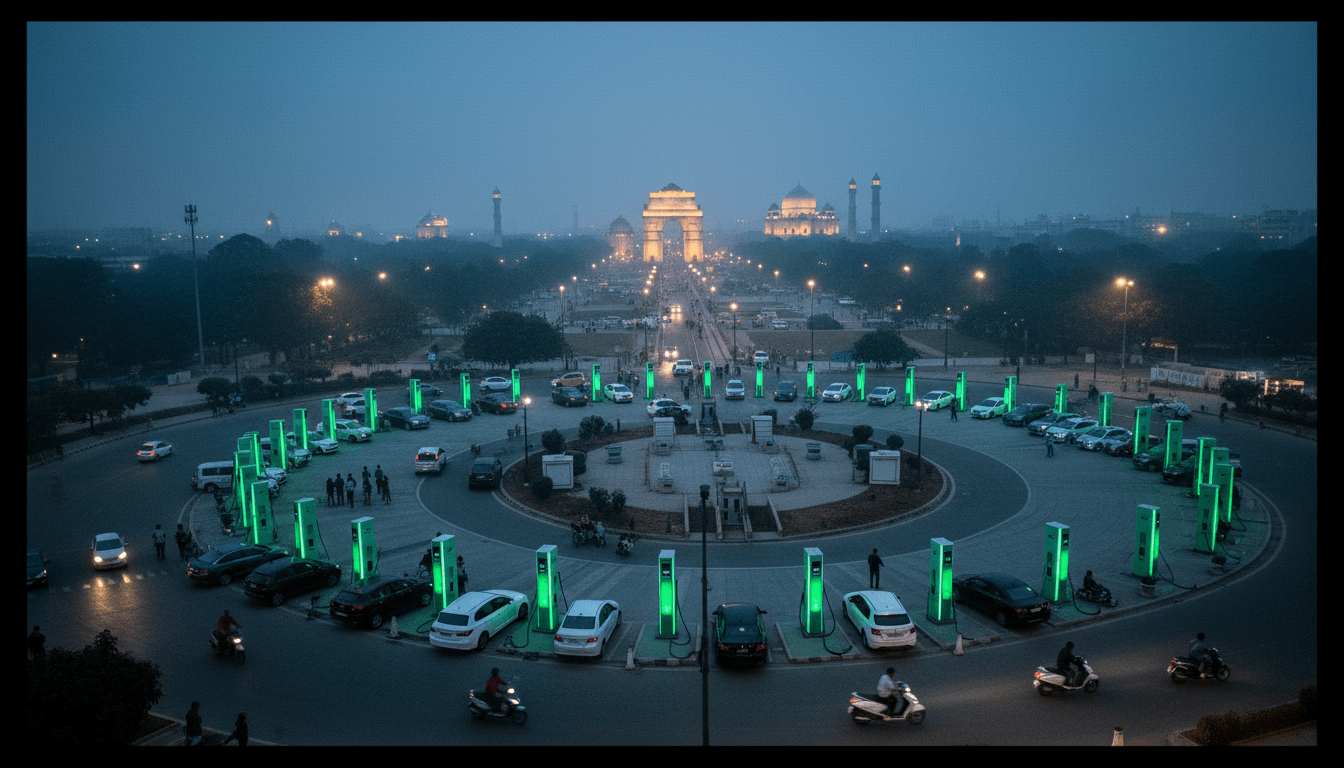
The newly announced Delhi EV Policy 2026 builds upon previous iterations, introducing a comprehensive framework designed to push EV penetration to unprecedented levels. While specific financial incentives for electric cars, hybrids, and two-wheelers are detailed, the overarching goal is to drastically reduce vehicular emissions and improve air quality in Delhi. The policy outlines targets for EV adoption across various segments, indicating a strong governmental push away from internal combustion engine (ICE) vehicles. Moneycontrol.com’s report highlights the policy’s focus on bolstering charging infrastructure, encouraging local manufacturing, and offering attractive subsidies that will directly impact purchase decisions for consumers considering electric cars and other EV categories.
Impact Analysis: Accelerating EV Adoption
This new Delhi EV Policy 2026 is poised to have a profound impact on the broader automotive and EV landscape in India. For manufacturers, it signals a clear imperative to recalibrate product strategies, prioritizing the development and deployment of electric and hybrid models for the Delhi market. Companies that have already invested heavily in EV research and development stand to gain a significant first-mover advantage. Conversely, those lagging in their EV transition may find themselves struggling to compete in one of India’s largest and most influential automotive markets. The policy’s emphasis on two-wheelers, a dominant mode of transport in India, is particularly noteworthy, promising a rapid electrification of this segment.
“The Delhi EV Policy 2026 isn’t just about local air quality; it’s a powerful signal to the entire Indian automotive industry that the future is unequivocally electric, driving innovation and investment nationwide.”
Consumers in Delhi, meanwhile, will benefit from reduced upfront costs for electric cars and two-wheelers, alongside a more robust and accessible charging network. This combination of incentives and infrastructure development is critical to overcoming existing barriers to EV adoption. The policy also subtly nudges consumers away from traditional ICE vehicles through various disincentives, though the primary focus remains on incentivizing EV purchases. The ripple effect of Delhi’s policy could also inspire other Indian states to introduce similar, equally aggressive EV policies, creating a domino effect across the nation.
Context & Background: Delhi’s Green Ambitions
Delhi has historically been at the forefront of India’s efforts to combat air pollution, a challenge that has long plagued the megacity. Previous EV policies, while impactful, often faced hurdles in implementation and scale. The Delhi EV Policy 2026 represents a more mature and comprehensive approach, incorporating lessons learned from past initiatives. The timing of this policy also aligns with global trends towards electrification, as major automotive markets worldwide commit to phasing out ICE vehicles. India, with its rapidly growing economy and significant pollution challenges, is uniquely positioned to benefit from a swift transition to EVs. The policy underscores Delhi’s commitment to achieving ambitious carbon reduction targets and setting a precedent for sustainable urban development in developing nations.
What’s Next: The Road Ahead
The immediate future will involve the detailed rollout of the Delhi EV Policy 2026, including the specific mechanisms for subsidy disbursement, the expansion of charging infrastructure, and the establishment of monitoring frameworks. Automakers will be closely watching the policy’s implementation, adjusting their production schedules and supply chains to meet anticipated demand. We can expect an influx of new electric car and two-wheeler models specifically tailored for the Indian market, particularly in the affordable and mid-range segments. Furthermore, the policy’s success in Delhi could serve as a blueprint for other metropolitan areas in India and beyond, accelerating the global shift towards electric mobility. The coming months will likely see increased collaboration between government bodies, private sector players, and technology providers to ensure the policy’s ambitious goals are met efficiently. Further analysis on EV market trends suggests that such regional policies are crucial for national EV targets.
Key Takeaway: A Pivotal Moment
The Delhi EV Policy 2026 is more than just a regulatory update; it’s a pivotal moment for India’s automotive sector. By aggressively promoting electric cars, hybrids, and two-wheelers, Delhi is not only addressing its pressing environmental concerns but also positioning itself as a leader in the global EV revolution. The policy sets a new standard for governmental intervention in fostering sustainable transportation, demanding innovation from manufacturers and offering tangible benefits to consumers. Its success will undoubtedly shape the future trajectory of electric mobility across India, making it a critical development for anyone tracking the evolution of the global automotive industry.