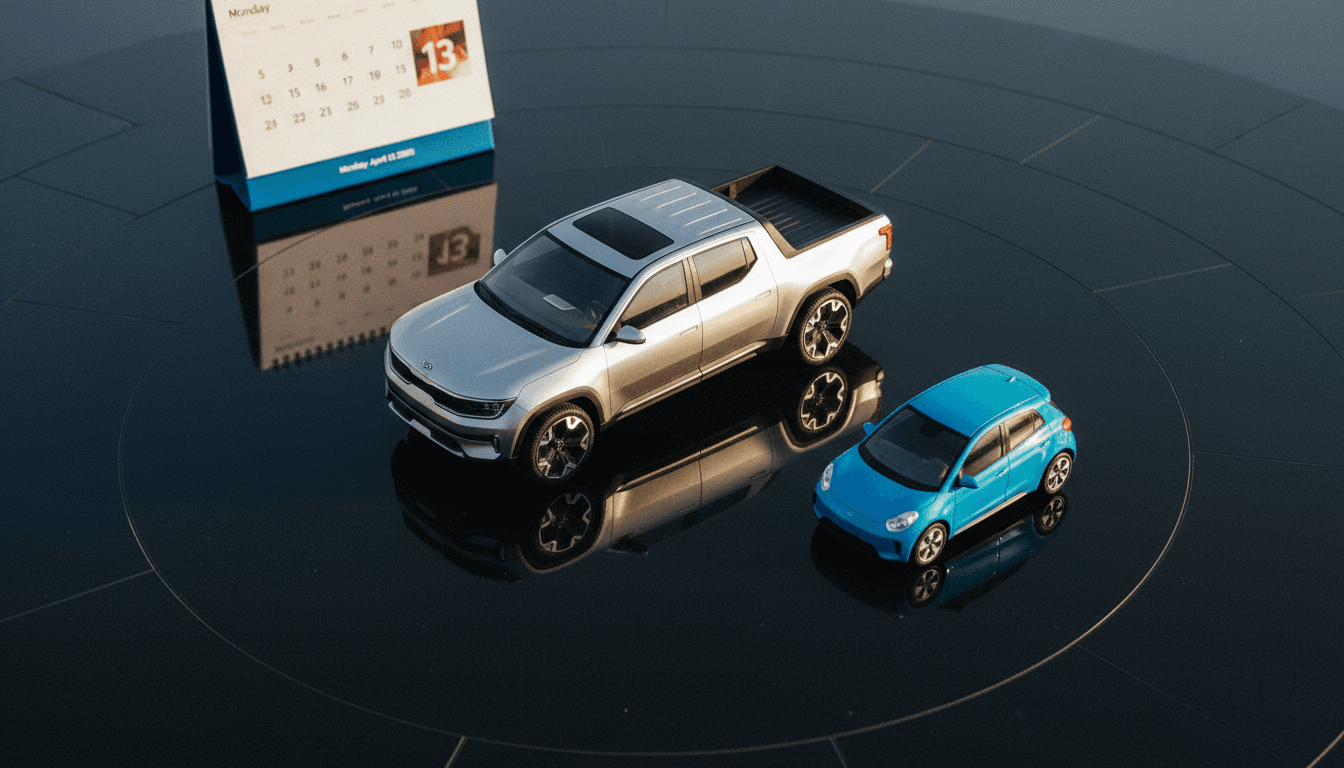
Groundbreaking Kia EV ute and new affordable small electric cars are set to redefine the competitive landscape from 2026, directly challenging established players like the Toyota Corolla and emerging threats such as the BYD Shark 6. This strategic expansion by Kia, announced on Monday, April 13, 2026, signals a bold move into both the burgeoning electric vehicle (EV) utility segment and the critical mass-market EV space, aiming to capture significant market share with innovative hybrid and pure-electric offerings.
The announcement from Kia confirms a two-pronged attack on the automotive market: a ‘revolutionary hybrid ute’ and a range of ‘affordable small electric cars.’ While specific model names and intricate technical details remain under wraps, the confirmation of their 2026 market entry is a clear statement of intent. The hybrid ute, in particular, is positioned as a direct competitor to the 2026 BYD Shark 6, suggesting a focus on capability, efficiency, and advanced powertrain technology in a segment that has historically been dominated by traditional internal combustion engine (ICE) vehicles. Simultaneously, the push into affordable small electric cars aims to democratize EV ownership, putting pressure on compact ICE stalwarts like the Toyota Corolla and opening up new opportunities for consumers seeking sustainable, cost-effective personal transport.
Kia EV Ute and Affordable EVs
Kia’s strategic confirmation of these new vehicles reflects a deep understanding of evolving consumer demands and regulatory pressures. The hybrid ute addresses the growing need for versatile, work-ready vehicles that also offer improved fuel economy and reduced emissions, appealing to both commercial and lifestyle buyers. Its ‘revolutionary’ designation hints at potential innovations in design, powertrain integration, or smart utility features that could set it apart from rivals. On the other hand, the focus on affordable small electric cars is crucial for mainstream EV adoption. High sticker prices have long been a barrier for many potential EV buyers, and Kia’s commitment to bringing down the entry cost could significantly accelerate the transition away from fossil fuels in the compact segment. This move aligns with broader industry trends toward electrification and accessibility, positioning Kia as a forward-thinking player in the global automotive shift.
“Kia’s dual strategy of a revolutionary hybrid ute and affordable small EVs from 2026 is a masterstroke, targeting both the lucrative utility segment and the critical mass-market entry point for electric vehicles. It’s a clear signal of their intent to lead, not just follow, in the automotive transition.”
The historical context for this announcement is one of intense competition and rapid technological advancement. The utility vehicle segment, particularly in markets like Australia, has long been a stronghold for traditional petrol and diesel powertrains. The entry of electric and hybrid utes, spearheaded by models like the BYD Shark 6, marks a significant disruption. Similarly, the compact car segment, exemplified by the enduring popularity of the Toyota Corolla, is ripe for electrification as battery costs decrease and charging infrastructure expands. Kia has been steadily building its EV portfolio with successful models like the EV6 and EV9, demonstrating its technical prowess and design leadership. This new generation of vehicles, particularly the Kia EV ute, represents an expansion of that expertise into more diverse and high-volume segments.
What’s Next for Kia’s Electrification Strategy
Looking ahead, the next steps for Kia will involve revealing more concrete details about these confirmed models. Expect further announcements regarding specifications, design philosophies, pricing strategies, and target markets. The competitive landscape will undoubtedly intensify, with other manufacturers likely to accelerate their own EV and hybrid ute development in response to Kia’s bold move. The success of these new vehicles will hinge on Kia’s ability to deliver on its promise of affordability, performance, and reliability, particularly for the groundbreaking Kia EV ute. Furthermore, the expansion of charging infrastructure and government incentives will play a crucial role in supporting the widespread adoption of these new electric and hybrid options.
This confirmation from Kia on Monday, April 13, 2026, is more than just a product announcement; it’s a strategic declaration of intent. By targeting both the utility segment with a revolutionary hybrid ute and the mass market with affordable small electric cars, Kia is positioning itself to be a dominant force in the electrified automotive future. This move will undoubtedly reshape consumer expectations and accelerate the industry’s transition, setting a new benchmark for accessible and capable sustainable transport options.