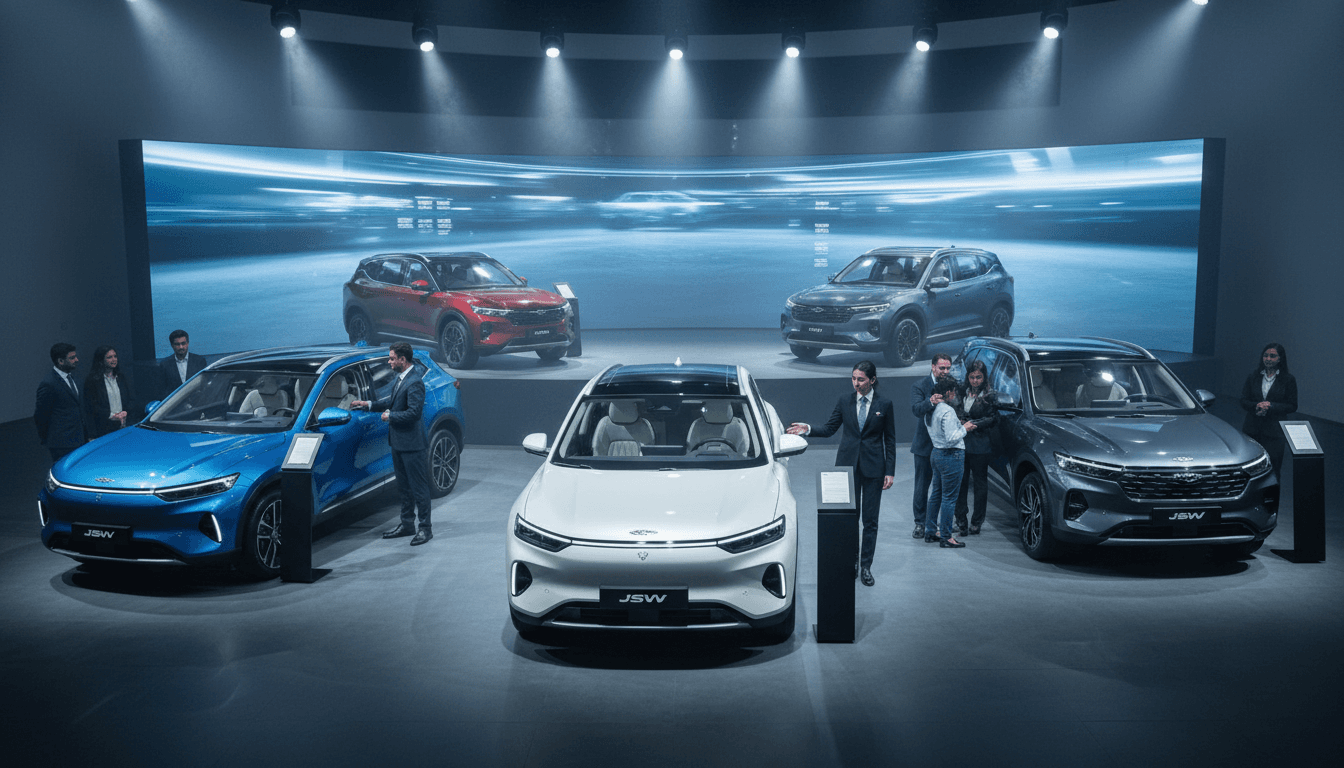
JSW SUVs are poised to enter the highly competitive automotive market, targeting established players like the Toyota Fortuner, Tata Nexon EV, and Hyundai Creta Electric, according to reports from Wednesday, April 22, 2026. This strategic move signals a significant escalation in the battle for market share across both the traditional SUV segment and the rapidly expanding electric vehicle (EV) sector.
The Story: JSW’s Ambitious Entry
The announcement details JSW’s intention to launch a range of SUVs designed to directly challenge some of India’s best-selling models. On the internal combustion engine (ICE) front, JSW is setting its sights on the formidable Toyota Fortuner, a segment leader known for its ruggedness and reliability. This indicates JSW’s confidence in its ability to deliver a product that can compete on performance, features, and value in a fiercely contested category.
More notably, JSW’s plans extend deeply into the electric vehicle space. The company is reportedly developing electric SUVs to rival popular models such as the Tata Nexon EV and the Hyundai Creta Electric. These vehicles represent key benchmarks in the affordable and mid-range EV SUV segments, respectively, making JSW’s proposed offerings a critical development for consumers seeking more choices in electric mobility. The specific details regarding models, pricing, and launch timelines remain under wraps, but the stated intent alone has sent ripples through the industry.
Impact Analysis: Shaking Up the Automotive Landscape
The entry of JSW SUVs into these segments could significantly reshape the Indian automotive and EV landscape. For the ICE market, a new contender against the Fortuner could stimulate innovation and competitive pricing, benefiting consumers. However, the more profound impact is likely to be felt in the EV sector. With the Tata Nexon EV currently dominating the accessible EV SUV market and the Hyundai Creta Electric poised to capture a significant share, JSW’s entry introduces a powerful new competitor.
“JSW’s strategic entry into both traditional and electric SUV segments underscores the evolving dynamics of the Indian automotive market, pushing established players to innovate faster and offering consumers more diverse options.”
This increased competition is crucial for accelerating EV adoption. More players mean more choices, potentially better technology, and ultimately, more aggressive pricing strategies. It could also force existing manufacturers to fast-track their own EV development and expand their charging infrastructure to maintain their competitive edge. The move highlights the growing confidence of new entrants in India’s burgeoning EV ecosystem, supported by government incentives and increasing consumer awareness.
Context & Background: A Shifting Industry
The Indian automotive market has been undergoing a rapid transformation, with SUVs continuing to be the preferred body style across price points. Simultaneously, the push for electrification has gained unprecedented momentum, driven by environmental concerns, rising fuel prices, and government initiatives like the FAME-II scheme. Companies like Tata Motors and Mahindra have been at the forefront of this EV revolution, establishing early leadership. Hyundai and MG have also made significant inroads, particularly in the premium EV segments.
JSW’s foray follows a broader trend of diversified conglomerates entering the automotive space, leveraging their financial muscle and industrial expertise. This isn’t just about manufacturing; it’s about building an entire ecosystem, from battery production to charging solutions. The date, April 22, 2026, places this announcement firmly in a future context where EV penetration is expected to be substantially higher, and competition even fiercer than today.
What’s Next: The Road Ahead for JSW SUVs
The immediate next steps for JSW will involve revealing more concrete details about its product portfolio, including technical specifications, design philosophies, and crucial pricing strategies. The success of JSW SUVs will hinge on several factors: competitive pricing, robust charging infrastructure partnerships, effective marketing, and, most importantly, delivering vehicles that meet or exceed consumer expectations in terms of range, performance, and features. Industry analysts will be keenly watching how existing players react to this new threat, particularly in the EV segment where brand loyalty is still nascent. We could see accelerated product launches, enhanced features, and more aggressive marketing campaigns from incumbents. This dynamic environment could lead to a surge in automotive innovation.
Key Takeaway: Why This Matters
The entry of JSW SUVs into the market is more than just another car launch; it’s a barometer of the Indian automotive industry’s future trajectory. It signals intensified competition across critical segments, particularly in electric vehicles, which will ultimately benefit the consumer through wider choices and potentially more affordable, technologically advanced options. For investors, it indicates new growth avenues and a shifting competitive landscape, underscoring the importance of adaptability and innovation in a rapidly evolving market. This move by JSW could very well define the next phase of growth and competition in India’s automotive sector, especially within the burgeoning EV space, solidifying its position as a global leader in automotive transformation. The race to electrify India’s roads is clearly accelerating, with new players like JSW adding significant momentum to the global EV market.