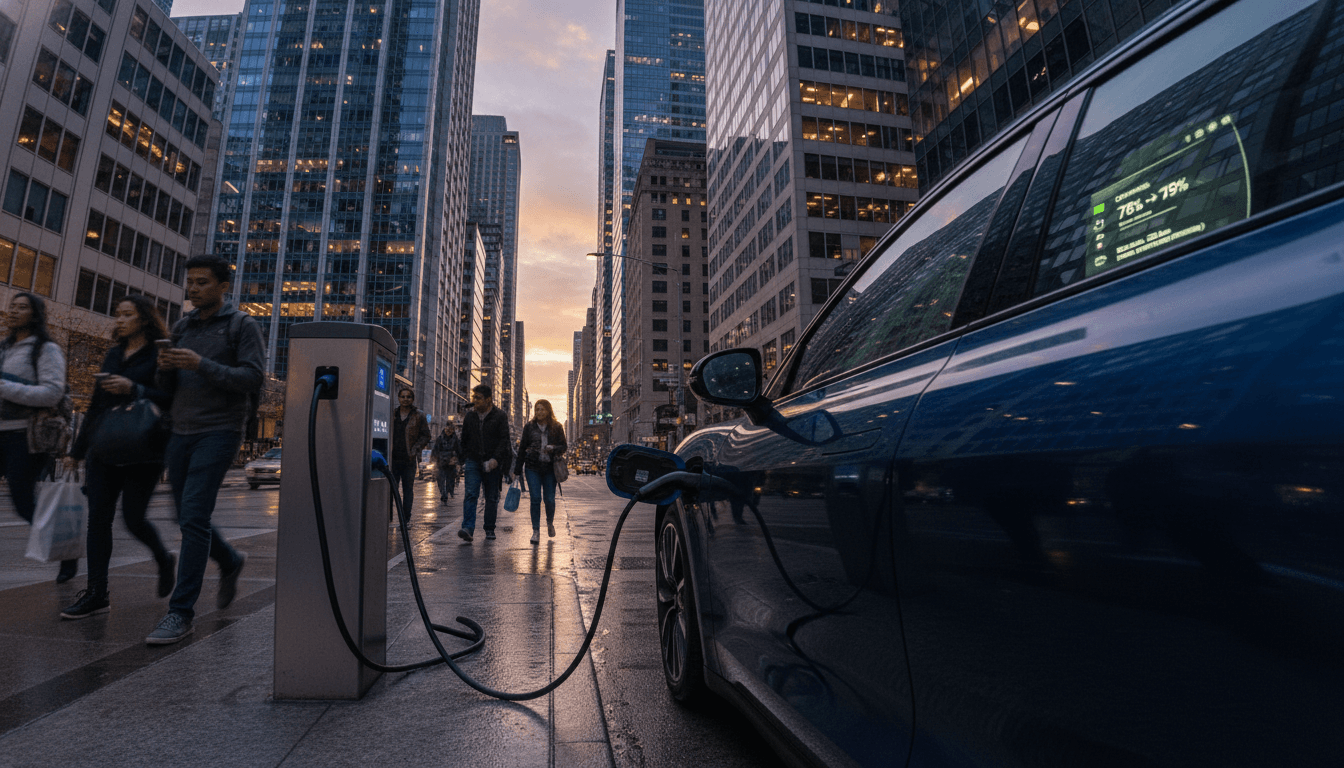
Hidden EV software updates are quietly changing charging speed, battery performance, and driving range, a phenomenon that has significant implications for consumers and the broader automotive industry. This silent evolution, reported on Thursday, May 28, 2026, by EVTech.News, reveals a new frontier in automotive engineering where vehicle capabilities are not fixed at purchase but are subject to continuous, often unnoticed, modification by manufacturers.
The core of this development centers on electric vehicle manufacturers pushing over-the-air (OTA) software updates that dynamically alter fundamental operational parameters. Unlike traditional vehicle recalls or scheduled maintenance, these updates can be deployed without explicit user intervention or even notification. While the benefits of performance enhancements or bug fixes are clear, the lack of transparency raises questions about consumer control, long-term vehicle depreciation, and the true ‘as-advertised’ specifications of an EV.
Impact Analysis: Shifting Sands of EV Ownership
This trend profoundly impacts the broader automotive and EV landscape. For consumers, the promise of a continuously improving vehicle is appealing, but the reality of hidden EV software updates means that the vehicle they buy today may perform differently tomorrow, next month, or next year. This could lead to a ‘moving target’ for performance metrics, making direct comparisons between models or even between different production batches of the same model challenging. Furthermore, potential changes to battery degradation rates or charging profiles could affect resale values and long-term operating costs.
For manufacturers, this capability offers unprecedented flexibility. They can address issues post-sale, fine-tune performance based on real-world data, or even unlock new features. This agility is a competitive advantage in the rapidly evolving EV market. However, it also introduces a new layer of responsibility regarding disclosure and consumer trust. The line between maintenance and modification becomes blurred, especially when these updates affect critical aspects like range and battery longevity.
“The ability to remotely alter core vehicle characteristics without direct user consent or even notification marks a significant shift in automotive ownership, challenging established notions of product specification and consumer rights.”
Context & Background: A Digital Transformation
The automotive industry has been on a trajectory of digital transformation for years, with software playing an increasingly central role in vehicle functionality. Tesla pioneered much of the OTA update model, demonstrating the power of remote software adjustments for everything from autopilot features to infotainment. However, the expansion of these updates to fundamental performance metrics like charging speed and driving range, often without explicit user opt-in, represents a new phase. Previous industry discussions have focused on data privacy and cybersecurity in connected cars; this development adds performance and longevity to the list of concerns.
The rapid pace of battery technology development and the competitive nature of the EV market likely contribute to manufacturers’ desire for this flexibility. As battery chemistry evolves and charging infrastructure improves, manufacturers may feel compelled to push updates that optimize existing hardware for new standards or address unforeseen operational scenarios.
What’s Next: Regulatory Scrutiny and Consumer Advocacy
The implications of hidden EV software updates are likely to draw increased scrutiny from regulators and consumer advocacy groups. Questions will undoubtedly arise regarding the need for mandatory disclosure of such updates, the ability for owners to revert to previous software versions, and the potential impact on vehicle warranties. The industry may face pressure to establish clear protocols for communicating these changes to owners and providing more transparent control over their vehicles’ evolving capabilities. Future legislation could mandate clearer consent mechanisms or require manufacturers to provide detailed logs of all performance-altering updates. The financial implications for consumers and the secondary market are also ripe for debate.
Key Takeaway: The Evolving Definition of an EV
This development fundamentally redefines what it means to own an electric vehicle. EVs are no longer static machines but dynamic, evolving platforms whose core performance attributes can be altered remotely. While this offers potential benefits in terms of continuous improvement and adaptation, it also necessitates a new level of transparency and consumer understanding. The automotive industry, regulators, and consumers must collectively navigate this new paradigm to ensure that technological advancement serves, rather than compromises, the interests of vehicle owners and the integrity of the market.