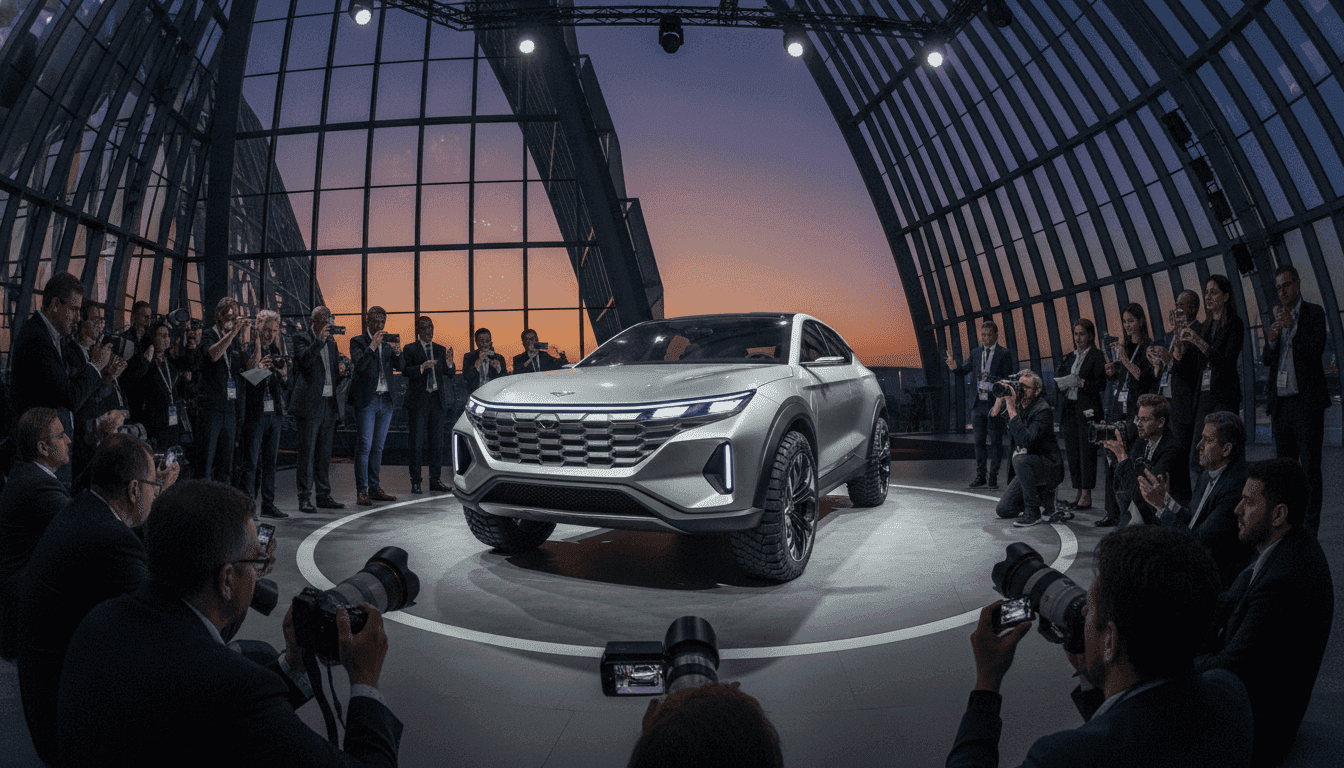
Zhengzhou Nissan has introduced the Fengtan Shaying Knight Edition, a new variant designed to capture a specific market segment, alongside a significant global plug-in hybrid electric SUV concept car. This dual unveiling, announced on Wednesday, April 29, 2026, signals a strategic pivot for the joint venture, emphasizing both niche market penetration and a forward-looking commitment to electrification on a global scale. The simultaneous launch of a specialized internal combustion engine (ICE) model and an advanced electrified concept underscores the complex, multi-pronged approach many automakers are adopting to navigate the evolving automotive landscape.
The Fengtan Shaying Knight Edition represents an effort by Zhengzhou Nissan to inject fresh appeal into its existing lineup, likely targeting consumers seeking distinct styling and perhaps enhanced features within the conventional vehicle market. While specific details on its features and target demographic remain to be fully elaborated, the ‘Knight Edition’ moniker typically suggests a focus on aesthetics, ruggedness, or premium appointments. Its introduction suggests that even as the industry pivots towards electric vehicles, there remains a strong business case for refining and diversifying traditional offerings, particularly in markets where ICE vehicles continue to dominate sales.
Global PHEV SUV Concept Car Unveiling
More critically, the introduction of a global plug-in hybrid electric SUV concept car positions Zhengzhou Nissan squarely within the accelerating global race for electrification. A global plug-in hybrid electric SUV concept car indicates a strategic intent to compete beyond domestic borders, suggesting the vehicle platform or its underlying technology could be destined for multiple international markets. This move is particularly pertinent given the increasing regulatory pressures and consumer demand for electrified vehicles worldwide. PHEVs serve as a crucial bridge technology, offering the immediate benefits of electric driving for shorter commutes while mitigating range anxiety through a conventional engine for longer journeys. This hybrid approach allows automakers to meet emissions targets while easing the transition for consumers.
The impact of this announcement on the broader automotive and EV landscape is multifaceted. For Nissan, and by extension its joint venture Zhengzhou Nissan, it reinforces a commitment to diversification. While the company has been a pioneer in pure EVs with models like the Leaf, the strategic emphasis on a global plug-in hybrid electric SUV concept car demonstrates an understanding that a singular EV strategy may not suffice for all markets or consumer needs. This move could also intensify competition in the burgeoning global PHEV SUV segment, forcing rivals to accelerate their own development cycles and market introductions. It suggests a belief that PHEVs still have significant growth potential, especially in regions where charging infrastructure is nascent or where consumers are not yet ready for full battery-electric vehicles.
Historically, joint ventures in China, like Zhengzhou Nissan, have served as critical conduits for global manufacturers to access the vast Chinese market while also leveraging local manufacturing capabilities. Many of these ventures have traditionally focused on ICE vehicles, gradually incorporating hybrid and electric technologies. This latest announcement from Zhengzhou Nissan aligns with a broader industry trend where established automakers are rapidly electrifying their portfolios, often starting with popular SUV segments due to their market appeal and suitability for battery integration. The global plug-in hybrid electric SUV concept car follows a trajectory seen across the industry, where SUVs are often the first to receive significant electrification efforts.
What’s next for Zhengzhou Nissan and the broader industry will be keenly watched. The timeline for the concept car’s production readiness, its technical specifications, and the specific markets it targets will be crucial. This unveiling will likely be followed by further details on the powertrain, battery technology, and potential autonomous driving features integrated into the concept. For the wider market, this signals a continued fragmentation of the new vehicle market, with ICE, PHEV, and BEV options coexisting for the foreseeable future. Future decisions will revolve around production scaling, supply chain stability for critical EV components, and the ongoing development of charging infrastructure to support these new models.
“The introduction of a global plug-in hybrid electric SUV concept car by Zhengzhou Nissan is a clear indicator of the strategic importance of PHEVs in bridging the gap between traditional combustion engines and full electrification, particularly for international market penetration.”
The key takeaway from Zhengzhou Nissan’s announcement is the strategic balancing act being performed by automakers today. By simultaneously launching a specialized ICE variant and a visionary global plug-in hybrid electric SUV concept car, the company is demonstrating an agile response to diverse market demands. This approach acknowledges the persistent demand for conventional vehicles while laying critical groundwork for a more electrified future. It underscores that the transition to electric mobility is not a monolithic shift but a complex, multi-stage evolution requiring diverse technological solutions and market strategies. Related automotive & ev articles frequently highlight this dual approach, where legacy automakers leverage their existing strengths while aggressively investing in future technologies. The success of this dual strategy will determine Zhengzhou Nissan’s competitive standing in the rapidly transforming global automotive and EV landscape.