Global EV charging infrastructure needs are surging, according to a pivotal analysis released by the IEA – International Energy Agency on Sunday, June 7, 2026. The ‘Global EV Outlook 2026’ report highlights an accelerating demand that necessitates urgent and strategic investment across the automotive and EV landscape, underscoring the critical role of robust charging networks in facilitating the global energy transition.
The Story: IEA’s Global EV Charging Outlook
The International Energy Agency (IEA) has delivered a stark assessment of the current state and future requirements for electric vehicle charging. Their ‘Global EV Outlook 2026’ analysis, published on June 7, 2026, details the rapid expansion of the EV market and the corresponding, often lagging, development of the necessary charging infrastructure. The report, widely anticipated by industry watchers, serves as a comprehensive benchmark for assessing progress and identifying areas of concern.
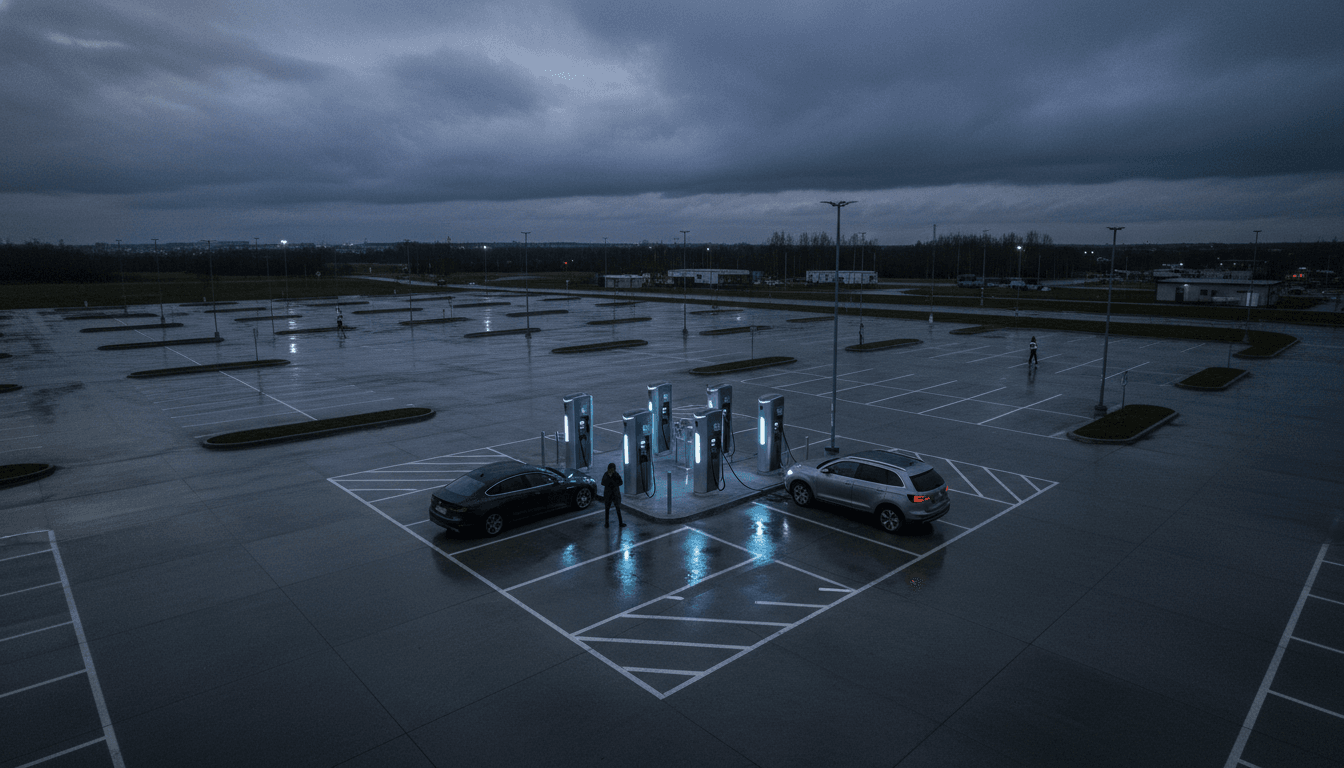
The IEA’s findings suggest that while EV sales continue their upward trajectory, the deployment of charging points, particularly fast-charging options, must accelerate significantly to prevent bottlenecks and ensure a smooth transition for consumers. This involves not only increasing the sheer number of chargers but also enhancing their geographical distribution, reliability, and interoperability across different vehicle brands and national grids. The challenge is multi-faceted, requiring collaboration between governments, utilities, automotive manufacturers, and private charging providers.
Impact Analysis
The IEA’s ‘Global EV Outlook 2026’ carries significant weight for the broader automotive and EV landscape. For automakers, it reinforces the imperative to not only produce compelling electric vehicles but also to actively participate in, or advocate for, the expansion of charging networks. Consumer confidence in EVs is inextricably linked to the perceived availability and ease of access to charging. A shortfall in global EV charging infrastructure could dampen adoption rates, impacting sales targets and long-term electrification strategies.
Utilities face immense pressure to upgrade grids and manage increased demand, especially during peak charging times. The report likely details regional disparities, highlighting areas where grid infrastructure is most vulnerable to the surge in EV adoption. Policy makers globally will be scrutinizing these findings to inform investment decisions, regulatory frameworks, and incentive programs aimed at accelerating charging deployment. The analysis also signals a burgeoning market for charging technology providers and service operators, potentially spurring innovation in areas like smart charging, battery swapping, and vehicle-to-grid (V2G) solutions. For more insights on this evolving sector, see our related automotive & ev articles.
“The IEA’s analysis serves as a critical call to action, emphasizing that the pace of EV adoption is now directly tied to the robustness and accessibility of global EV charging infrastructure.”
Context & Background
The trajectory of electric vehicle adoption has been one of the most compelling stories in the automotive sector over the past decade. Initial concerns about range anxiety have gradually given way to a focus on charging convenience and speed. Governments worldwide have implemented ambitious targets for EV sales and emissions reductions, often coupled with subsidies for both vehicle purchases and charging infrastructure development. However, the sheer scale of the transition presents unprecedented logistical challenges.
Previous IEA reports and other industry analyses have consistently pointed to charging infrastructure as a potential Achilles’ heel for widespread EV adoption. While home charging remains the primary method for many EV owners, the need for public charging, particularly fast-charging along major corridors and in urban centers, is paramount for those without dedicated parking or for long-distance travel. The ‘Global EV Outlook 2026’ builds upon these earlier assessments, providing updated data and projections that reflect the accelerating pace of EV market growth.
What’s Next
The IEA’s latest report will undoubtedly fuel discussions at upcoming industry conferences and government policy reviews. Expect increased pressure on governments to fast-track permits for charging station installations and to offer more substantial incentives for private investment. Automotive manufacturers may deepen their partnerships with charging network operators or even invest directly in expanding infrastructure, recognizing it as a competitive differentiator.
Technological advancements in battery charging speeds and grid management solutions will also be critical. The push for greater standardization of charging connectors and payment systems could gain renewed momentum, simplifying the user experience and encouraging broader adoption. The coming months will likely see a flurry of announcements from various stakeholders outlining strategies to address the identified gaps in global EV charging infrastructure.
Key Takeaway
Why this matters: The ‘Global EV Outlook 2026’ from the IEA is more than just a data dump; it’s a strategic roadmap for the global energy transition. It unequivocally states that the future of electric mobility hinges on a robust and ubiquitous charging ecosystem. Failure to meet the surging demand for global EV charging infrastructure will not only impede climate goals but also stifle economic growth within the burgeoning EV sector. The report is a clear signal that the time for piecemeal solutions is over, demanding a coordinated, aggressive push to build out the charging backbone that electric vehicles—and the planet—deserve.