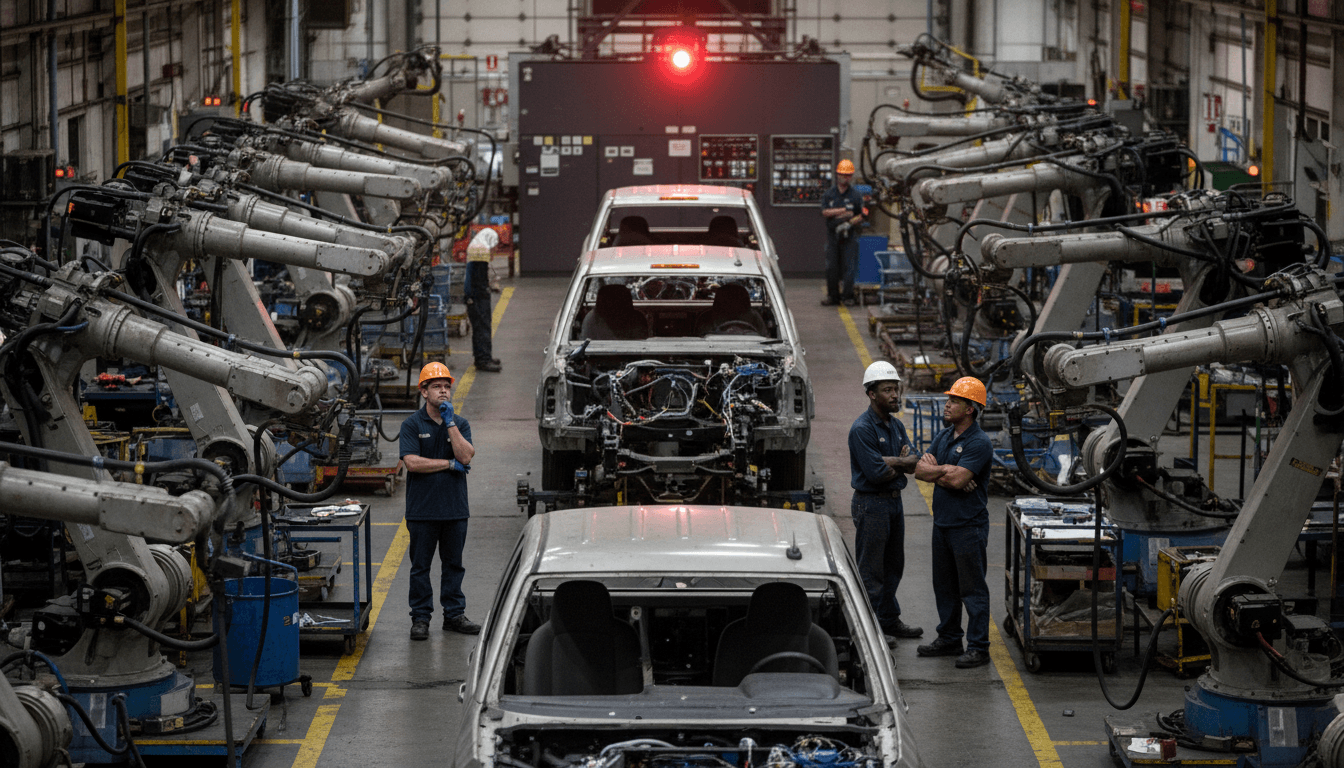
Ford recalls 4.4 million trucks, SUVs, announced on Friday, April 24, 2026, marking a significant development for the Dearborn automaker and its extensive customer base. This latest action impacts a substantial portion of Ford’s popular pickup trucks and sport utility vehicles, posing potential challenges for the company’s reputation and financial outlook.
The recall, detailed by MSN, involves a wide array of Ford’s best-selling models, though specific vehicle types and the exact nature of the defect were not elaborated upon in the initial report. The sheer volume of affected vehicles—4.4 million units—suggests a broad-reaching issue that could span multiple production years or platforms. Such large-scale recalls often stem from a shared component or manufacturing process across different models, leading to widespread safety concerns. For Ford, a company heavily reliant on its truck and SUV sales, this recall represents a considerable logistical and financial undertaking.
Impact Analysis of Ford’s Latest Recall
The immediate impact of Ford’s latest recall will undoubtedly be felt across its dealer network and by millions of vehicle owners. Dealers will face the burden of scheduling and executing repairs, potentially leading to long wait times for customers and increased service bay congestion. For consumers, the inconvenience of bringing their vehicles in for service, coupled with any safety anxieties, could erode brand loyalty. From a financial perspective, recalls of this magnitude can incur substantial costs for automakers, including repair expenses, potential legal liabilities, and the intangible cost of reputational damage. The automotive industry has seen numerous instances where recalls have led to significant drops in stock prices and diminished consumer confidence.
Beyond the direct financial implications, this recall could affect Ford’s competitive standing in the fiercely contested truck and SUV segments. In an environment where rivals are constantly innovating and vying for market share, a major recall can provide competitors with an advantage. It also underscores the ongoing challenges automakers face in ensuring product quality and safety in increasingly complex vehicles. The timing, on April 24, 2026, places this event in a period where the industry is also grappling with the transition to electric vehicles and supply chain disruptions, adding another layer of complexity to Ford’s operational landscape. Read more about automotive & EV industry trends here.
“Large-scale recalls like this one are a stark reminder of the immense pressure automakers are under to maintain stringent quality controls across their vast production lines, especially as vehicle technology becomes more intricate.”
Historically, Ford has navigated various recalls, some of which have been quite extensive. This 4.4 million vehicle recall, while substantial, is not unprecedented in the automotive industry, which frequently sees automakers issue safety-related campaigns. However, the consistent occurrence of such events can lead to public scrutiny and questions about long-term quality assurance processes. The industry’s push towards electrification and advanced driver-assistance systems (ADAS) also introduces new potential failure points, making robust testing and quality control more critical than ever.
What’s Next for Ford After the Recall?
Looking ahead, Ford will need to communicate transparently and efficiently with affected owners and regulatory bodies. The company’s response to the recall—how quickly it identifies the root cause, develops a fix, and implements the repair program—will be crucial in mitigating the negative repercussions. There will likely be an increase in scrutiny from the National Highway Traffic Safety Administration (NHTSA) or equivalent regulatory bodies, potentially leading to further investigations or compliance requirements. Investors will also be closely watching Ford’s financial reporting for any impact on earnings and profitability. Furthermore, this event could prompt an internal review of Ford’s quality control procedures and supply chain management, aiming to prevent similar incidents in the future. The broader automotive & EV landscape will be observing how Ford handles this significant challenge.
Ultimately, the Ford recalls 4.4 million trucks, SUVs story highlights the perennial tension between rapid production and unwavering quality in the automotive sector. For Ford, the task now is not just to fix the affected vehicles but to restore confidence in its brand and demonstrate its commitment to safety, ensuring that this event serves as a catalyst for enhanced quality and consumer trust moving forward. The resolution of this recall will be a key indicator of the company’s resilience and its ability to manage large-scale operational challenges in a highly competitive and evolving industry. Explore more automotive & EV news and analysis.