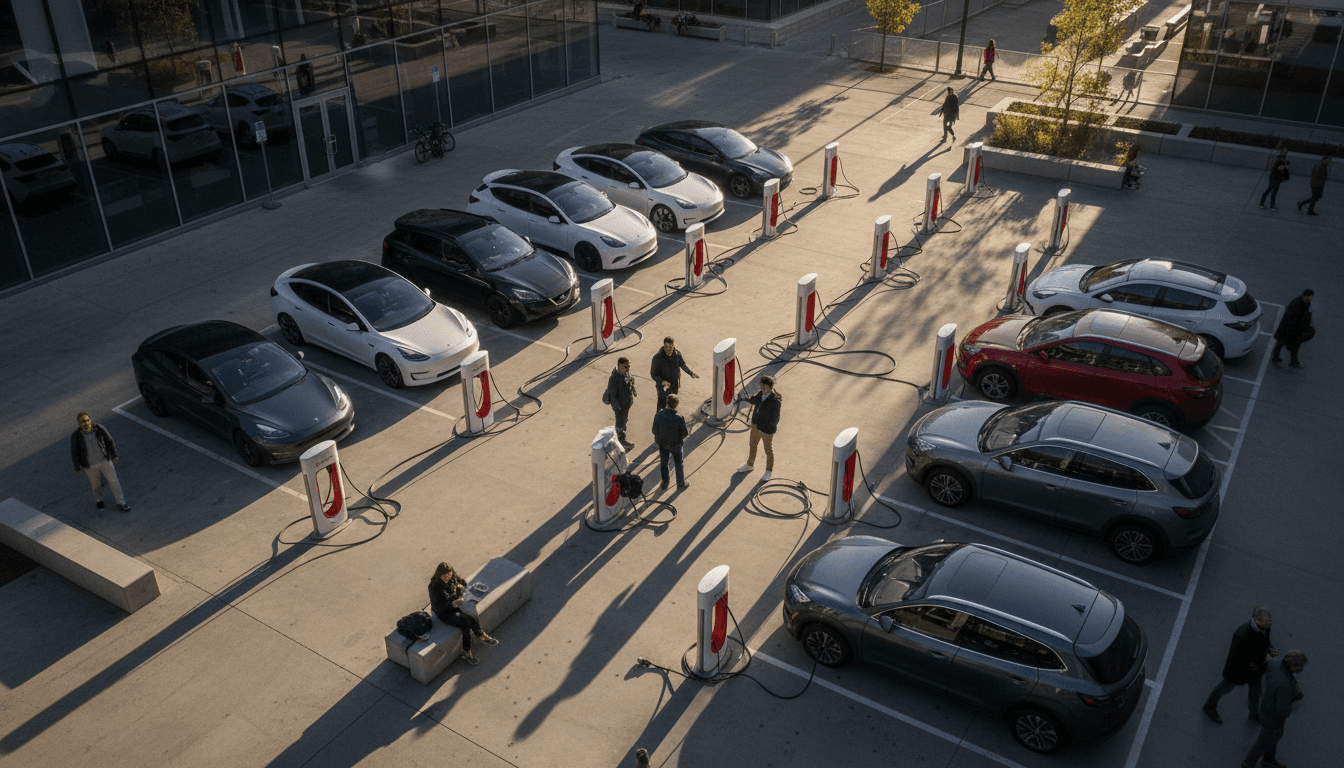
EV charging registrations have seen a massive surge, a clear indicator of the accelerating adoption of electric vehicles across the market. This significant uptick, reported by Jolt on Thursday, April 9, 2026, directly correlates with the increasing sales figures for electric vehicles, signaling a pivotal moment in the automotive industry’s transition towards electrification. The data from Jolt underscores the growing demand for accessible charging infrastructure, a critical component for mainstream EV integration.
The Story: Jolt’s Growth Reflects Market Shift
Jolt, a prominent player in the EV charging network, is at the heart of this story, experiencing a dramatic increase in registrations for its charging services. This surge is not an isolated event but a direct consequence of the broader market trend: a consistent rise in electric vehicle sales. As more consumers purchase EVs, the immediate need for reliable and widespread charging solutions becomes paramount. Jolt’s recent figures provide tangible evidence of this demand being met, at least in part, by expanding infrastructure. The company’s growth trajectory offers a real-time snapshot of the EV ecosystem maturing.
The details surrounding this surge reveal a critical dynamic: the more EVs on the road, the greater the pressure and opportunity for charging providers. Jolt’s success in attracting new users suggests that their network is either expanding effectively or offering compelling services that resonate with new EV owners. This rapid increase in EV charging registrations is a strong indicator of consumer confidence in the practicality of electric vehicles, moving beyond early adopters to a broader market segment.
Impact Analysis: Fueling the EV Revolution
The implications of this surge in EV charging registrations extend far beyond Jolt’s balance sheet. It signifies a crucial advancement for the broader automotive and EV landscape. A robust and accessible charging infrastructure is frequently cited as one of the primary hurdles to widespread EV adoption. When a key provider like Jolt reports such a significant increase in registrations, it suggests that this barrier is being systematically addressed. This development can accelerate the transition away from internal combustion engines by alleviating range anxiety and improving the overall user experience for EV owners.
Furthermore, this trend could spur further investment in charging technology and network expansion from competitors and new entrants alike. A growing user base demonstrates a viable market, attracting capital and innovation. It also provides valuable data on usage patterns, helping to optimize charger placement and types, ensuring that the infrastructure evolves to meet actual consumer needs. This symbiotic relationship between EV sales and charging infrastructure development is essential for sustainable growth in the electric vehicle sector. Related automotive & ev articles often highlight this interdependence.
“The simultaneous rise in EV sales and charging registrations paints a clear picture: the foundational elements for mass EV adoption are falling into place, fostering a self-reinforcing cycle of growth and infrastructure development.”
Context & Background: A Maturing Ecosystem
The current scenario of soaring EV sales and EV charging registrations isn’t an overnight phenomenon but the culmination of years of technological advancements, government incentives, and shifting consumer preferences. Historically, the ‘chicken and egg’ dilemma of EVs and charging infrastructure posed a significant challenge. Early EV adopters often faced limited charging options, while charging providers were hesitant to invest heavily without a substantial EV fleet. The current data from Jolt suggests that this dynamic is finally shifting, with EV sales now robust enough to drive significant infrastructure investment and utilization.
Industry trends have consistently pointed towards a future dominated by electric vehicles, but the pace of this transition has often been debated. This news provides concrete evidence that the inflection point may be here, or at least rapidly approaching. Manufacturers are introducing more diverse and affordable EV models, further fueling sales. Simultaneously, charging companies like Jolt have been strategically expanding their networks, often through partnerships and innovative business models, to meet the anticipated demand. This synchronized growth is critical for a smooth transition.
What’s Next: Sustaining the Momentum
The future implications of this surge in EV charging registrations are profound. The immediate challenge for companies like Jolt will be to sustain this momentum, ensuring that their infrastructure can scale effectively to meet continuously rising demand. This will involve ongoing investment in new charging stations, maintenance of existing ones, and potentially, innovation in charging speeds and payment systems. Governments and urban planners will also play a crucial role in facilitating this expansion, through policy support, zoning regulations, and smart grid integration.
We can anticipate further consolidation or strategic partnerships within the charging industry as companies vie for market share and efficiency. The data generated from these increasing registrations will be invaluable for predictive modeling, allowing for more efficient deployment of resources. Furthermore, the increased visibility of charging options could further accelerate EV sales, creating a positive feedback loop. The coming years will likely see a continued focus on ultra-fast charging, battery swapping technologies, and potentially, vehicle-to-grid (V2G) integration, all driven by the foundational growth observed in EV charging registrations.
Key Takeaway: The Electrification Tipping Point
The surge in EV charging registrations, as highlighted by Jolt on April 9, 2026, is more than just a positive financial report for one company; it represents a critical milestone in the broader electrification of transport. It signifies that the foundational infrastructure required to support a mass transition to electric vehicles is not only being built but is also being actively utilized at an accelerating rate. This symbiotic growth between EV sales and charging infrastructure is indicative of the industry reaching a crucial tipping point, where the future of mobility is undeniably electric. This robust expansion of charging networks will be instrumental in driving continued EV adoption and reshaping the global automotive landscape for decades to come. Read more about automotive & ev trends.