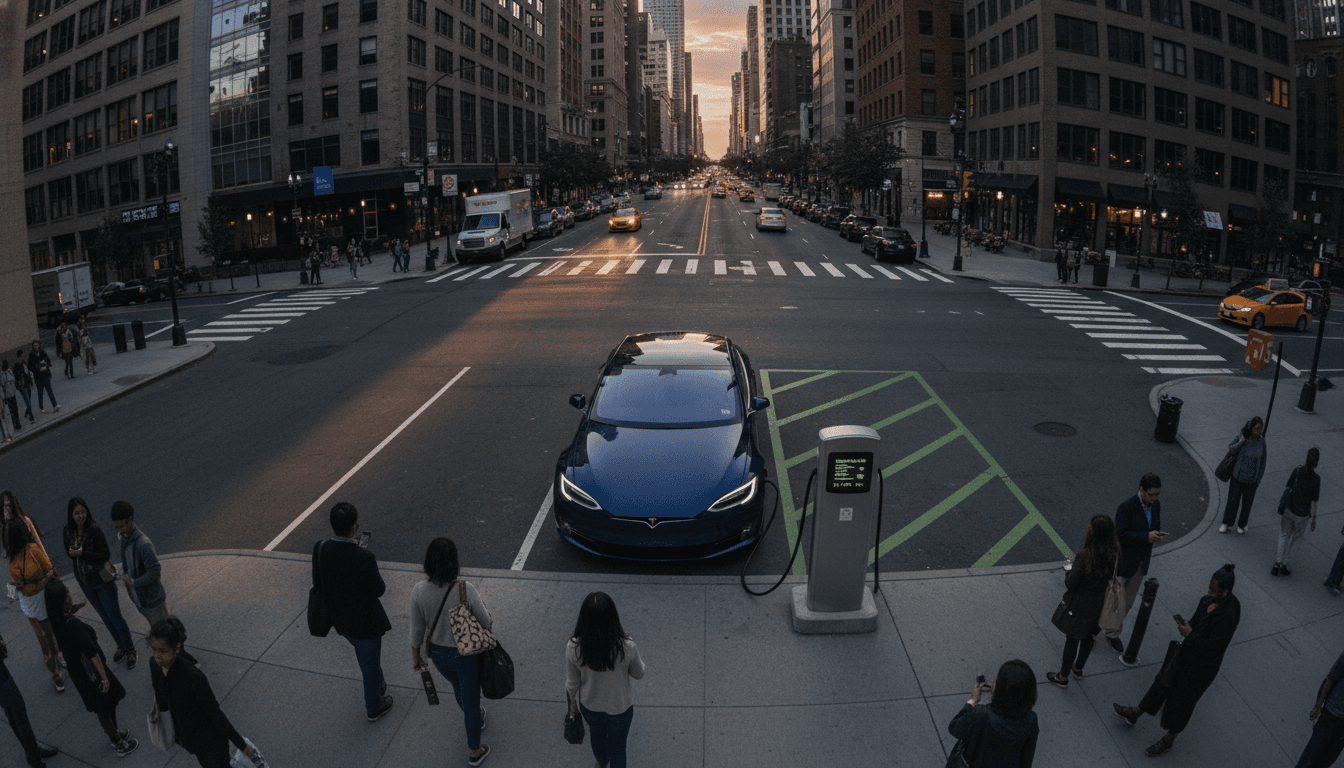
A new electric car charging technology has been rolled out, promising significant financial relief for EV drivers as all associated savings will directly benefit them. This development, reported on Friday, May 8, 2026, marks a notable advancement in the ongoing effort to make electric vehicle ownership more accessible and cost-effective, directly addressing one of the primary concerns for prospective EV adopters: charging expenses.
The core of this innovation lies in its ability to optimize charging processes, presumably through more efficient energy management or sourcing. While specific technical details of the technology remain proprietary, the emphasis from the announcement is unequivocally on the economic advantage for the consumer. This initiative is poised to significantly reduce the operational costs of EVs, potentially accelerating the transition away from fossil fuel vehicles across various markets.
Impact Analysis of New Charging Technology
The immediate impact of this new electric car charging technology is a direct financial benefit to EV owners. By ensuring that all savings are passed directly to drivers, the developers and operators of this system are creating a compelling economic incentive. This strategy could be a game-changer for the automotive industry, particularly in regions where electricity prices are volatile or high. Lowering the total cost of ownership for EVs removes a significant barrier for many consumers, making electric vehicles a more attractive proposition against their internal combustion engine counterparts.
Furthermore, this move could stimulate greater investment in charging infrastructure and smart grid technologies. If the technology leverages dynamic pricing or grid optimization, it could lead to a more stable and efficient energy ecosystem. The competitive landscape among charging providers is also likely to intensify, pushing other players to innovate and offer similar cost-saving solutions, ultimately benefiting the end-user. This could also influence fleet operators and ride-sharing services, for whom operational costs are paramount, leading to a faster electrification of commercial transport.
Context and Background in EV Charging
The evolution of EV charging infrastructure has been a critical component of the broader electric vehicle revolution. Historically, concerns around range anxiety and the availability and cost of charging have tempered mass adoption. Early charging solutions often involved proprietary networks, inconsistent pricing, and varying speeds, leading to a fragmented user experience. Over the past decade, the industry has seen a push towards standardization and interoperability, alongside significant investments in public and private charging networks.
Government incentives, both for EV purchases and charging infrastructure development, have played a crucial role. However, the operational cost of charging has remained a persistent concern, especially with fluctuating energy prices. Previous innovations have focused on faster charging speeds, bidirectional charging, and improved user interfaces. This latest development with new electric car charging technology appears to pivot towards direct economic relief, a strategy that resonates deeply with consumers facing cost-of-living pressures and seeking long-term savings from their vehicle choices. For more insights on the evolving landscape, readers can refer to our recent analysis of EV market trends.
What’s Next for EV Drivers
The rollout of this new electric car charging technology is likely just the beginning. We can anticipate further details on the specific mechanisms through which these savings are generated and passed on to drivers. It will be crucial to understand the geographical reach of this technology and whether it will be integrated into existing charging networks or operate as a standalone system. The competitive response from other charging infrastructure providers will also be a key area to watch. Will they attempt to replicate or surpass these savings, or will they focus on other value propositions like speed or ubiquity?
“This advancement represents a pivotal moment, shifting the narrative from just environmental benefits to tangible economic advantages for EV owners, which is critical for widespread adoption.”
Regulators may also take an interest, potentially examining the implications for energy markets and consumer protection. The long-term success will hinge on scalability, reliability, and continued innovation to maintain the economic advantage. Further partnerships between technology providers, energy companies, and automotive manufacturers could accelerate its deployment and integration into a seamless EV ecosystem. The industry will be closely watching for how this impacts consumer behavior and investment in future EV models.
Key Takeaway for the Automotive Sector
This development underscores a fundamental shift in the electric vehicle market: the increasing importance of cost-efficiency alongside environmental benefits and performance. By directly addressing the financial burden of charging, this new electric car charging technology offers a powerful incentive for consumers to embrace EVs. It highlights that the future of automotive electrification is not just about manufacturing innovative vehicles, but also about creating an affordable and accessible ecosystem around them. This focus on tangible economic benefits for the end-user could be the catalyst needed to push electric vehicle adoption into its next, more rapid phase, reshaping consumer preferences and investment strategies across the entire automotive and energy sectors. For broader context on infrastructure developments, see our coverage of global EV infrastructure.