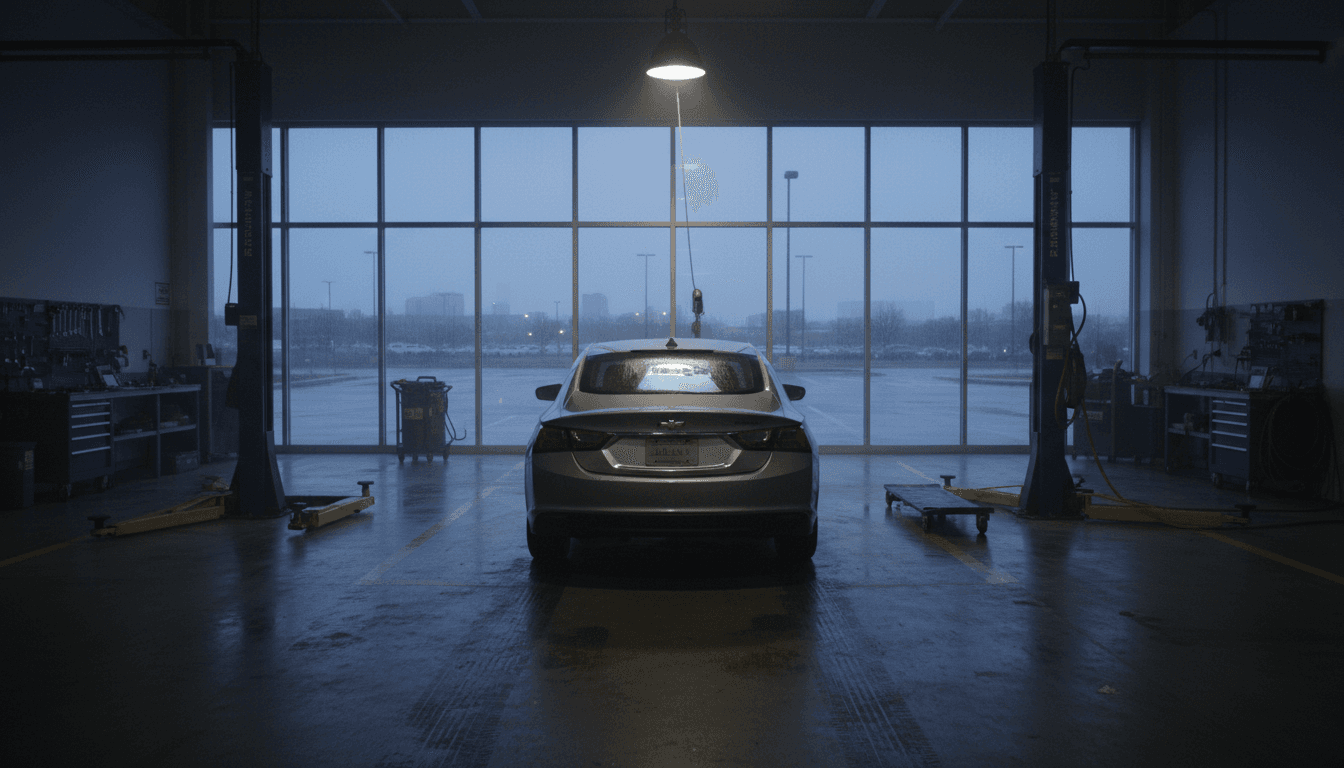
General Motors is recalling more than 270,000 Chevrolet Malibu vehicles in the US due to a rearview camera screen issue, a development that underscores the persistent challenges automakers face in integrating complex electronic systems into modern vehicles. This significant recall, announced on Saturday, April 25, 2026, impacts a substantial portion of the popular sedan’s fleet, raising questions about quality control and the reliability of essential safety features.
The Recall: Who, What, and When
The recall specifically targets Chevrolet Malibu vehicles sold in the United States. While the exact model years affected were not detailed in the initial report, the sheer volume of 270,000 units suggests a widespread production run. The core problem lies with the rearview camera screen, which is a critical component for driver safety, aiding in parking and preventing collisions. A malfunction in this system can significantly impair a driver’s ability to safely operate the vehicle, particularly when reversing. The announcement on April 25, 2026, initiates the process for General Motors to rectify this defect, likely involving software updates or hardware replacements at dealerships.
For consumers, a rearview camera screen issue translates directly into a heightened risk of accidents. The National Highway Traffic Safety Administration (NHTSA) mandates rearview cameras in all new vehicles, recognizing their role in reducing back-over incidents. A failure in this system, therefore, is not merely an inconvenience but a compromise of a federally mandated safety feature. Owners of affected Chevrolet Malibu vehicles will need to bring their cars to authorized service centers for the necessary repairs, a process that can be time-consuming and disruptive.
Impact on the Automotive & EV Landscape
This Chevrolet Malibu rearview camera issue extends beyond the immediate inconvenience for owners; it reflects broader trends and challenges within the automotive and EV industry. Modern vehicles are increasingly reliant on sophisticated electronic systems, from infotainment and navigation to advanced driver-assistance systems (ADAS) and, crucially, rearview cameras. As software and hardware complexity grow, so too does the potential for defects and the need for extensive post-production quality control. This recall highlights the delicate balance manufacturers must strike between innovation and reliability.
“The recurring theme of software and electronic component-related recalls across the industry demonstrates that the race for technological advancement must be matched by equally robust testing and validation processes,” stated an industry analyst.
The incident could also influence consumer perception, particularly regarding the dependability of established brands like Chevrolet. While recalls are a standard part of the automotive lifecycle, large-scale issues with fundamental safety features can erode trust. For the burgeoning EV sector, which often champions its technological prowess, such traditional automotive recalls serve as a reminder that even the most advanced vehicles are susceptible to electronic glitches. It underscores the need for continuous vigilance in quality assurance across all vehicle types, regardless of powertrain.
Context & Background
Recalls related to electronic systems, particularly those impacting safety features, are not new to the automotive industry. In recent years, numerous manufacturers have faced similar challenges with everything from faulty airbags to malfunctioning braking systems, often linked to complex software or sensor issues. The Chevrolet Malibu rearview camera issue fits this pattern, emphasizing that even seemingly minor electronic components can have significant safety implications when they fail. This trend also reflects the industry’s rapid pivot towards greater digitization and connectivity, which, while offering numerous benefits, also introduces new vectors for potential problems. Regulators, like the NHTSA, are also becoming increasingly stringent in their oversight of these systems, pushing manufacturers to address defects promptly and effectively.
What’s Next for Chevrolet Malibu Owners
General Motors is expected to notify affected Chevrolet Malibu owners directly in the coming weeks. These notifications will detail the specific steps owners need to take to have their vehicles repaired, including instructions on scheduling service appointments at dealerships. The repair process will likely involve either a software update to address a programming error or, in some cases, a replacement of the rearview camera module or screen itself. The cost of these repairs will be borne by General Motors as part of the recall. Looking ahead, GM will undoubtedly face scrutiny regarding its internal quality control processes for electronic components, especially as it continues to roll out new models with increasingly integrated digital systems. This event serves as a critical reminder for all automakers to prioritize robust testing and validation throughout the development and manufacturing lifecycle to prevent future widespread recalls.
Key Takeaway
The recall of over 270,000 Chevrolet Malibu vehicles for a rearview camera screen issue is a salient reminder of the intricate challenges inherent in modern vehicle manufacturing. It highlights the critical importance of reliable electronic systems for driver safety and the ongoing need for rigorous quality control across the automotive industry. As vehicles become more technologically advanced, the stakes for component reliability escalate, making such recalls not just a logistical challenge for manufacturers but a significant concern for consumer safety and trust in the broader automotive and EV landscape.