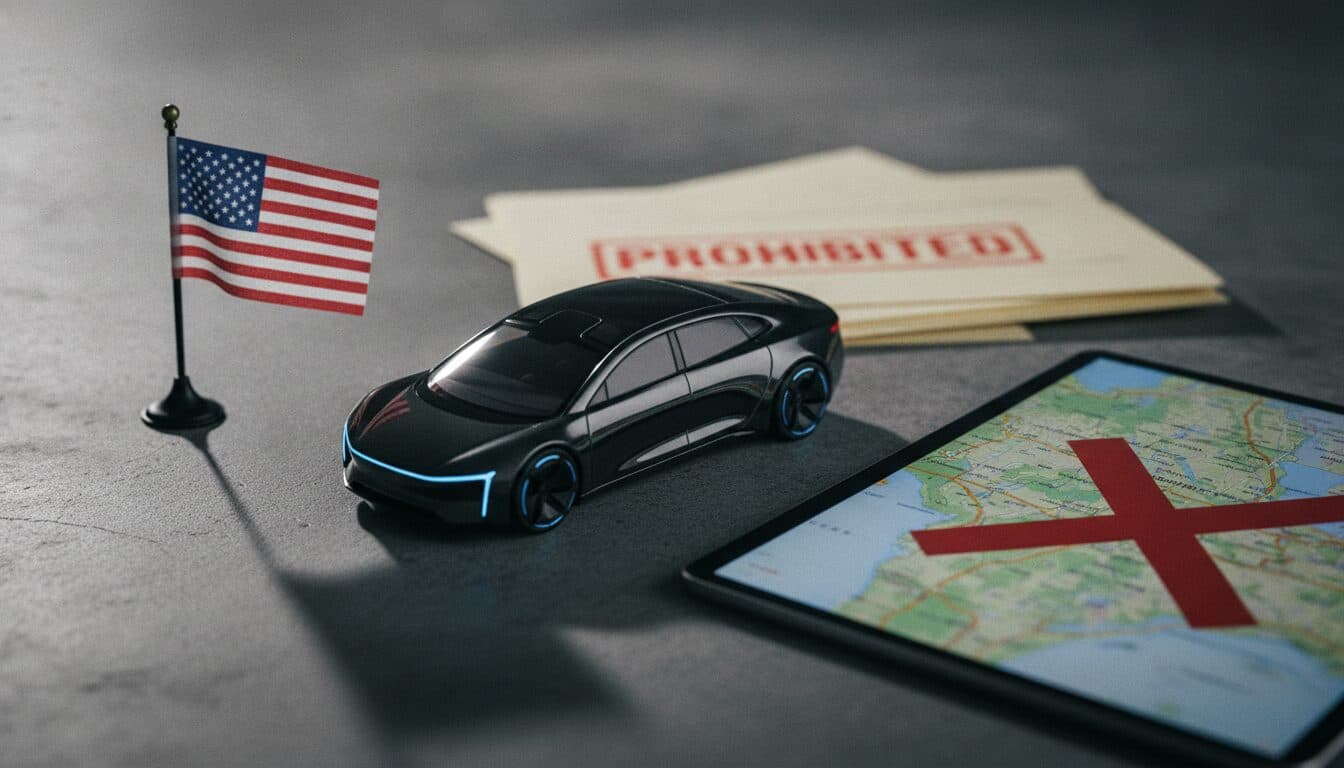
A new car tax raid is set to hit hybrid drivers twice, despite their vehicles often barely using electric power, according to a report from GB News on Saturday, April 25, 2026. This move, spearheaded by Rachel Reeves, signals a significant shift in the UK’s automotive taxation policy, potentially undermining the transition to lower-emission vehicles and placing an unexpected burden on a demographic that previously invested in what was seen as a greener alternative.
The Story: Double Taxation for Hybrids
The core of the issue revolves around Rachel Reeves’ proposed changes to car taxation, which appear to impose a double levy on hybrid vehicle owners. Specifically, these drivers will face taxation under two distinct categories, a policy GB News characterizes as a ‘raid.’ The rationale behind this dual taxation, as implied by the source, is a perception that hybrid vehicles ‘barely use electric’ mode, suggesting a skepticism from policymakers regarding their real-world environmental benefits. This direct impact on hybrid drivers, who often made a conscious choice to reduce their carbon footprint without fully committing to a pure EV, raises questions about the government’s long-term strategy for vehicle electrification and taxation fairness.
Impact Analysis
This proposed car tax raid has far-reaching implications for the broader automotive and EV landscape. Firstly, it could significantly erode consumer confidence in hybrid technology. For years, hybrids were championed as a bridge technology, offering reduced emissions and fuel consumption without the ‘range anxiety’ associated with early EVs. If these vehicles are now subject to increased taxation, potential buyers might reconsider, either sticking with traditional internal combustion engine (ICE) vehicles or making the leap directly to fully electric vehicles. This policy could also stifle the used car market for hybrids, as the increased running costs make them less attractive. Manufacturers, who have invested heavily in hybrid powertrains, may find their sales strategies disrupted, particularly in the UK market. Furthermore, it highlights a potential disconnect between policy and the practical realities of hybrid ownership, where battery range and charging infrastructure often dictate the extent of electric-only driving. This could inadvertently slow down the overall transition to a greener fleet, as consumers become wary of future tax changes on ‘transitional’ technologies. The evolving regulatory landscape continues to pose challenges for both consumers and manufacturers.
“The double taxation of hybrids sends a confusing message to consumers and the industry, potentially hindering the very transition it aims to accelerate.”
Context & Background
Historically, governments have used tax incentives and disincentives to steer consumer behavior in the automotive sector. Early adoption of hybrids and EVs was often encouraged through grants, lower vehicle excise duty, and other perks. However, as the number of electrified vehicles on the road grows, so does the pressure on government revenues from traditional fuel duties and vehicle taxes. This car tax raid on hybrids might be seen as an early indication of how future governments plan to address this revenue gap. The ‘barely using electric’ justification also reflects a growing scrutiny of the real-world emissions and electric-driving capabilities of plug-in hybrids (PHEVs) in particular, with some studies suggesting that many owners do not regularly charge them, thus relying more on their combustion engines. This shift in perception could be driving the policy change, moving away from a blanket encouragement of all ‘electrified’ vehicles towards a more stringent focus on pure EVs.
What’s Next
The immediate future will likely see robust debate surrounding Rachel Reeves’ proposed car tax raid. Industry bodies, environmental groups, and consumer advocates are expected to weigh in, potentially challenging the premise that hybrids ‘barely use electric.’ The specifics of how this double taxation will be implemented, including the new tax bands and rates, will be crucial. This policy could also set a precedent for other nations grappling with similar revenue challenges as their vehicle fleets electrify. For consumers, the decision to purchase a new vehicle, particularly a hybrid, will now involve an added layer of financial uncertainty. Manufacturers will be closely monitoring the public and political reaction, potentially adjusting their product offerings and marketing strategies for the UK market. Further clarity on the government’s long-term vision for automotive taxation beyond 2026 will be essential for the industry to plan effectively. Understanding future tax implications is paramount for investment decisions.
Key Takeaway
This car tax raid represents a pivotal moment in the UK’s automotive taxation policy, signaling a potential shift away from broad encouragement of all electrified vehicles towards a more targeted approach, likely favoring pure EVs. While the stated aim might be to address perceived underutilization of electric modes in hybrids and to bolster government revenues, the immediate consequence risks alienating a significant segment of drivers who invested in what they believed was a greener, future-proof option. The long-term implications for consumer confidence in transitional technologies, the used car market, and manufacturers’ strategic planning underscore why this development matters for the entire automotive and EV ecosystem.