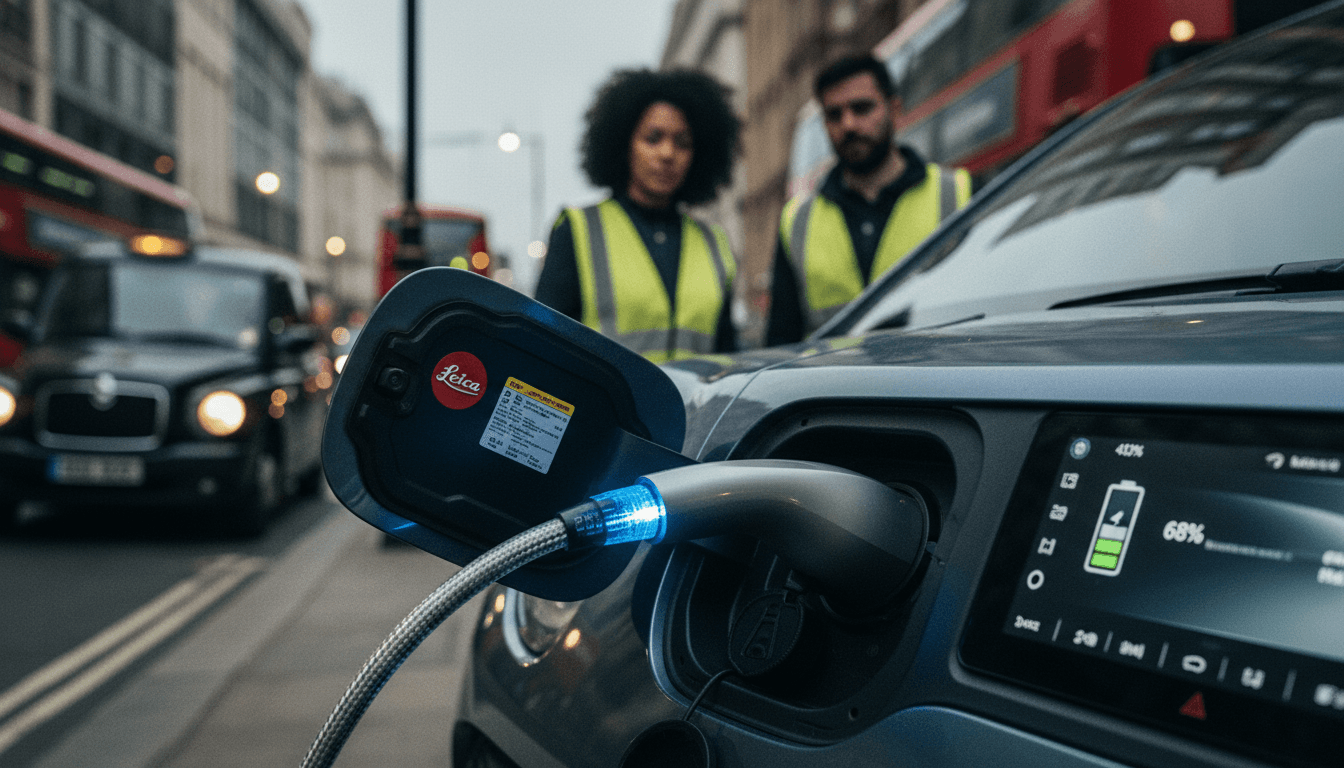
BYD’s new flash-charge technology promises to overcome the biggest hurdle to widespread electric vehicle ownership in the UK, potentially reshaping the automotive landscape. The Chinese automotive giant, which has seen its UK market share surge by an astounding 485% in the past year to 3.3%, announced on Friday, May 15, 2026, the development of a charging system capable of topping up an EV from 10% to 70% in approximately five minutes.
This breakthrough addresses a primary concern for consumers: the lengthy charging times that have made electric cars less convenient than their petrol or diesel counterparts. While traditional vehicles can be refuelled in minutes, EVs have historically required significantly longer, a factor BYD’s new system aims to mitigate dramatically. The company claims its ‘flash-charger’ can even take a vehicle from 10% to 97% charge in just nine minutes, a substantial improvement over existing technologies and a powerful argument for mass EV adoption.
BYD’s Flash-Charge Technology
The core of BYD’s innovation lies in its 1,000-volt battery architecture, a significant leap forward in power delivery for electric vehicles. This high-voltage system is what enables the rapid transfer of energy, allowing for the advertised charging speeds. Stella Li, BYD’s executive vice president, emphasized the transformative potential of this development, stating to the i newspaper:
“With the flash-charge technology we can equally compete with the gas car. Before, in places like the UK, 70 percent of the market was untouchable to us…This tech removes the final barrier for people to jump into an electric car.”
Her comments underscore the strategic importance of this technology for BYD, particularly in markets like the UK where range anxiety and charging convenience remain significant psychological barriers for potential buyers. The ability to achieve near-full charge in under ten minutes could fundamentally alter consumer perceptions of EV practicality.
Impact on the Broader Automotive & EV Landscape
This announcement comes at a critical juncture for the UK’s automotive sector. Despite a robust 59% increase in electric vehicle registrations compared to April last year, bringing the total to two million, the Society of Motor Manufacturers and Traders (SMMT) revealed that the pace of adoption still falls short of government targets. Electric cars currently account for roughly 26% of the UK market, with year-to-date figures at 23.1% of new car registrations, significantly below the 33% required by the Zero Emission Vehicle Mandate.
SMMT chief executive Mike Hawes noted, “Two million electric car registrations is a considerable milestone to celebrate, although natural demand is still well below the level demanded by the mandate.” This gap highlights the persistent challenges facing EV adoption, even with manufacturer discounts and the Electric Car Grant. BYD’s flash-charge technology could be the catalyst needed to bridge this gap, addressing the fundamental issue of charging time that has limited broader consumer appeal. The ongoing tensions in the Strait of Hormuz, which could impact fuel prices, may further accelerate the shift towards EVs if charging infrastructure keeps pace.
What’s Next for EV Infrastructure?
While BYD’s technological leap is significant, its widespread impact will depend on the deployment of compatible charging infrastructure. The 1,000-volt architecture will necessitate new or upgraded charging stations capable of delivering the required power. This presents both an opportunity and a challenge for infrastructure providers and governments. Investment in ultra-fast charging networks will be crucial to fully capitalize on BYD’s innovation and realize the vision of petrol-station-like convenience for EV owners.
The competitive landscape among EV manufacturers is also set to intensify. As BYD, a rapidly ascending player in the UK market, pushes the boundaries of charging technology, rivals will be compelled to accelerate their own research and development in this critical area. This could lead to a ‘charging arms race,’ ultimately benefiting consumers with faster, more efficient charging solutions across the industry. Such advancements are vital for the UK to meet its ambitious net-zero targets and for the global transition to sustainable transportation.
BYD’s flash-charge technology represents a potential paradigm shift for the electric vehicle market. By directly confronting and largely resolving the issue of charging time, it removes a major psychological and practical barrier for potential EV owners. This development could accelerate the mass uptake of electric cars in the UK and beyond, fundamentally altering the trajectory of the automotive industry and bringing the vision of widespread EV adoption closer to reality. The industry will now watch closely to see how quickly this technology can be integrated into the broader charging ecosystem and how competitors respond to this significant challenge.