Groundbreaking BMW i7 Gen6 battery tech has been officially confirmed, marking a significant advancement in electric vehicle performance and range, thanks to a strategic partnership with Rimac. Announced on Wednesday, April 8, 2026, this integration positions the luxury electric sedan at the forefront of automotive innovation, promising enhanced efficiency and power delivery.
The Strategic Alliance and Technological Leap
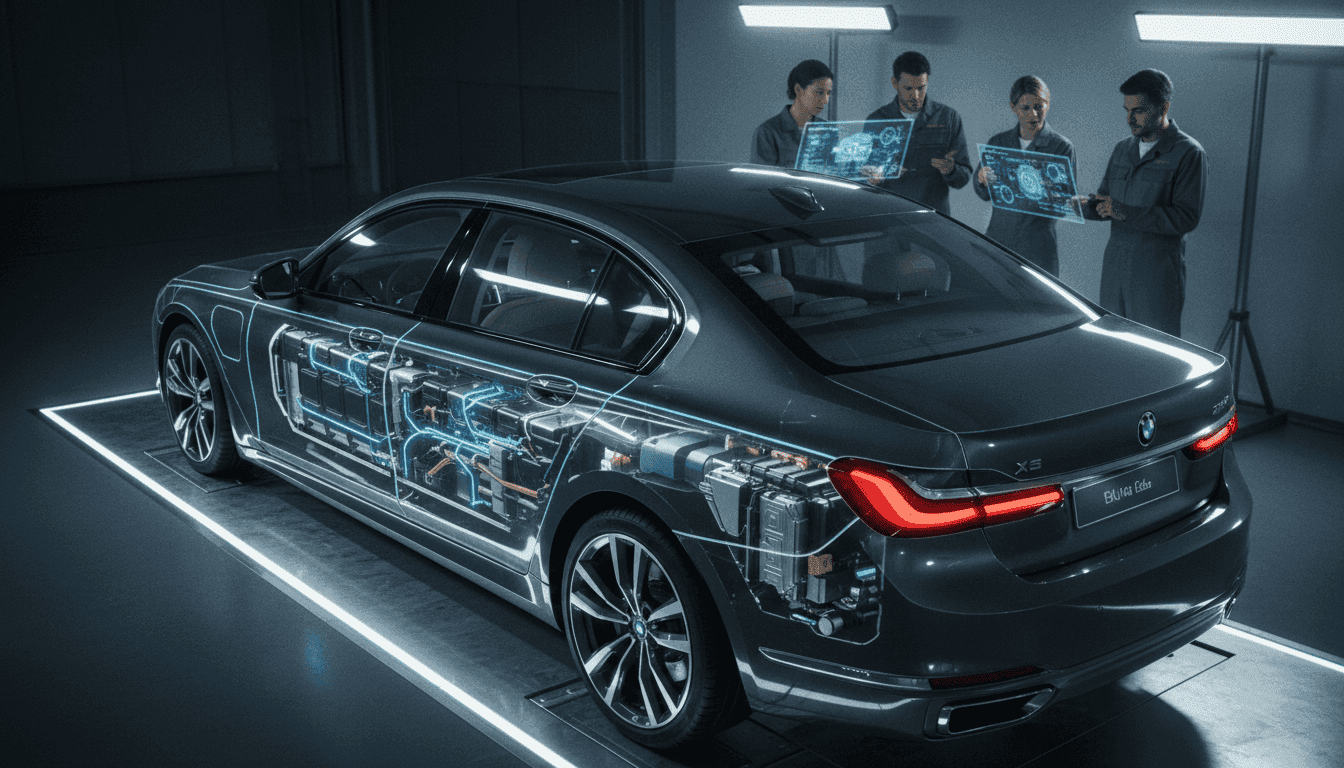
The core of this significant development lies in the collaboration between German automotive giant BMW and Croatian electric hypercar specialist Rimac. The BMW i7, already a benchmark in luxury electric mobility, will now incorporate Rimac’s advanced Gen6 battery technology. This isn’t merely an incremental upgrade; it represents a generational leap in battery chemistry, packaging, and thermal management. While specific technical details regarding energy density or charging speeds were not fully disclosed in the initial announcement, the ‘Gen6’ designation itself implies a substantial improvement over previous iterations, likely impacting range, charging times, and overall vehicle performance. The partnership leverages Rimac’s renowned expertise in high-performance electric powertrains and battery systems, honed through its work on some of the world’s fastest electric vehicles.
Impact Analysis: Redefining Luxury EV Performance
The integration of advanced BMW i7 Gen6 battery tech has profound implications for the broader automotive and EV landscape. For BMW, it solidifies the i7’s position as a technological flagship, directly challenging rivals in the premium electric sedan segment. Competitors like Mercedes-Benz EQS, Lucid Air, and upcoming Audi and Porsche electric models will face heightened pressure to match or exceed the performance metrics enabled by this new battery generation. This move underscores a growing trend of established automakers seeking specialized expertise from EV startups and technology firms to accelerate their electrification roadmaps.
“This partnership between BMW and Rimac is a clear signal that the future of premium EVs will be defined not just by luxury and comfort, but by cutting-edge battery technology that pushes the boundaries of what’s possible in range and performance,” says a leading industry analyst.
The ripple effect could also be seen in supply chain dynamics and battery development strategies across the industry. As automakers strive for greater differentiation, proprietary or co-developed battery technologies are becoming a key competitive advantage, moving beyond reliance on off-the-shelf solutions. This could spur further investment in R&D for next-generation battery materials and manufacturing processes globally. For more on how such collaborations are shaping the market, see our related automotive & ev articles.
Context and Background: A Race for Battery Supremacy
The automotive industry has been in a relentless race for battery supremacy for the better part of a decade. From the early days of modest EV ranges to today’s 300+ mile capabilities, battery technology has been the primary determinant of EV viability and consumer acceptance. Previous generations of battery tech have focused on improving energy density, reducing weight, and enhancing cycle life. Companies like Tesla, LG Energy Solution, CATL, and Panasonic have led the charge, each bringing their own innovations to the table. BMW itself has been investing heavily in battery research, aiming for greater control over its core EV components. The decision to partner with Rimac for the i7’s Gen6 battery tech highlights the intense competition and the need for specialized knowledge to stay ahead in a rapidly evolving sector, particularly as the industry moves towards solid-state and other advanced chemistries.
What’s Next: The Future of High-Performance Electrification
Looking ahead, the successful deployment of BMW i7 Gen6 battery tech in the i7 will undoubtedly pave the way for its integration into other BMW Group electric vehicles. We can anticipate future announcements regarding expanded range, faster charging capabilities, and potentially even new vehicle segments benefiting from this advanced power source. The partnership could also deepen, with Rimac potentially playing a larger role in BMW’s electrification strategy, perhaps extending to other components or even full vehicle platforms. Industry observers will be keenly watching for detailed performance metrics, real-world range figures, and charging curve data once the updated i7 models begin reaching customers. Further developments around battery recycling and sustainable sourcing will also remain critical as these advanced technologies become more widespread.
Key Takeaway: A New Benchmark for Luxury Electric
The introduction of advanced BMW i7 Gen6 battery tech through the Rimac partnership is more than just a product update; it’s a strategic declaration. It signals BMW’s unwavering commitment to leading the luxury EV segment through technological superiority and highlights the critical role of specialized collaborations in accelerating innovation. This move sets a new benchmark for what consumers can expect from premium electric vehicles, pushing the entire industry forward in the quest for more efficient, powerful, and sustainable mobility solutions. As the automotive world continues its rapid transition to electric, such alliances and technological leaps will be instrumental in shaping the competitive landscape for years to come.