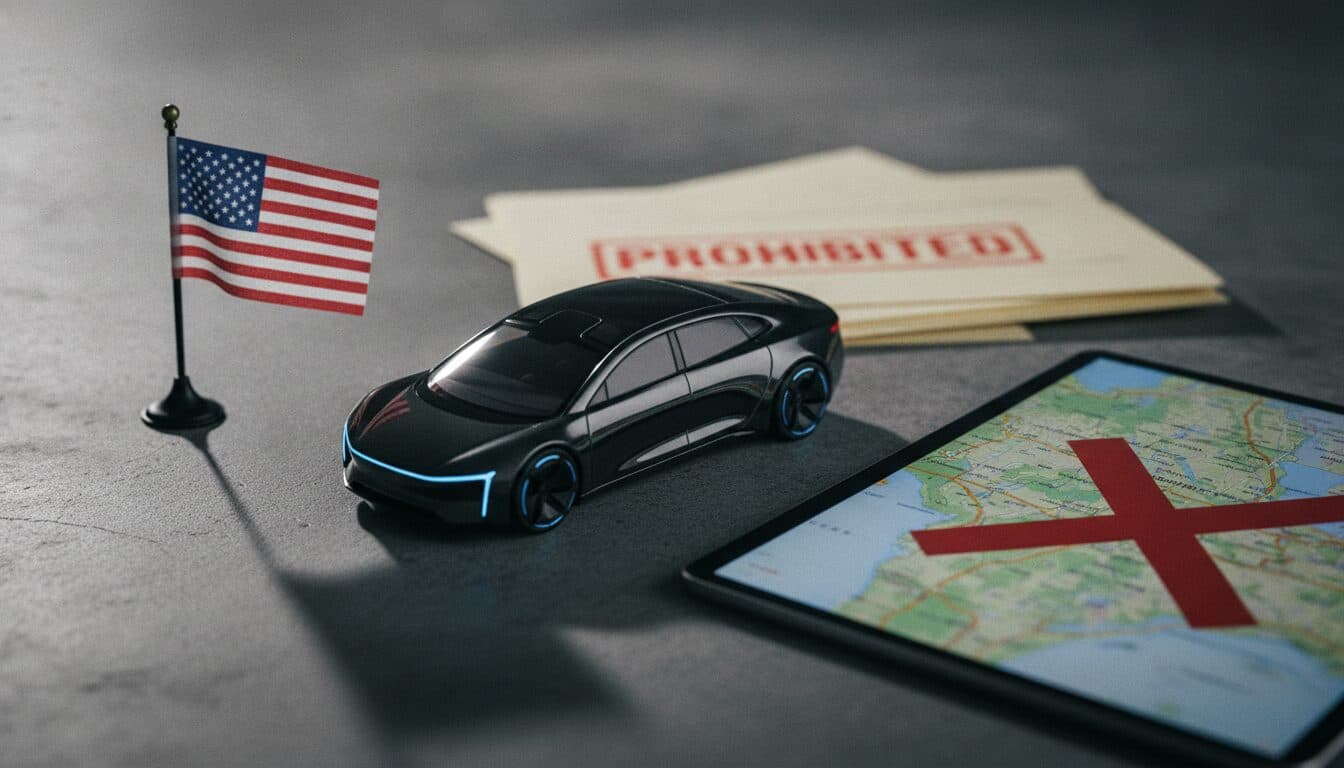
Automakers axed electric cars this year at an accelerating pace, signaling a significant recalibration within the burgeoning EV market. As of Sunday, May 3, 2026, a growing list of once-promising electric vehicle models has been discontinued by major manufacturers, reflecting evolving consumer preferences, production challenges, and intense competition. This ‘EV graveyard,’ as Business Insider aptly termed it, underscores the volatile landscape of the automotive industry’s electrification push.
The axing of electric cars involves a diverse group of automakers, from established giants to newer entrants, each facing unique pressures. While specific models and brands were not detailed in the initial report, the trend indicates that no segment of the market is immune to the rigorous demands of profitability and market viability. This strategic pruning suggests a shift from an initial land-grab mentality to a more focused, sustainable approach to EV portfolio management. Companies are likely re-evaluating their product lines based on sales performance, manufacturing costs, and the ability to scale production efficiently.
Impact Analysis
The increasing number of axed electric cars has profound implications for the broader automotive and EV landscape. For consumers, it means a potentially narrower, albeit more refined, selection of electric vehicles in the long run. It also highlights the risks associated with early adoption of niche models that may not achieve sufficient market traction to justify continued investment. For automakers, these cancellations represent costly lessons learned, often after significant research, development, and marketing expenditures. The capital previously allocated to these discontinued models will likely be redirected towards more promising ventures or advanced technologies, such as improved battery chemistry or charging infrastructure development.
Suppliers to the EV sector will also feel the ripple effects. Companies specializing in components for these axed models will need to diversify their client base or pivot their offerings. This consolidation could lead to increased M&A activity among smaller players or a strengthening of partnerships between successful EV brands and their key suppliers. The market is maturing, and with that comes a natural culling of less competitive products and strategies. This trend emphasizes the need for robust market research and agile product development in a rapidly changing technological environment.
Context & Background
The current wave of axed electric cars is not entirely unprecedented. The automotive industry has a long history of model retirements, but the speed and scale within the relatively young EV segment are noteworthy. Early enthusiasm for electric vehicles led many manufacturers to launch a wide array of models, some of which were conceptual or niche offerings designed to test market interest or meet regulatory mandates. However, as the market shifts from early adopters to mainstream buyers, the criteria for success become much more stringent. Factors such as range anxiety, charging infrastructure availability, purchase price, and resale value are now paramount for mass appeal.
Historically, the industry has seen similar shake-ups during periods of significant technological transition, such as the shift from internal combustion engines to more efficient designs. The current situation is further complicated by fluctuating raw material costs, geopolitical tensions affecting supply chains, and intense competition from new entrants, particularly from Asia. This period mirrors, in some ways, the dot-com bust, where many promising but ultimately unsustainable ventures failed to materialize into profitable enterprises. The financial health of these companies is increasingly tied to their ability to deliver profitable and scalable EV solutions.
What’s Next for Axed Electric Cars
Looking ahead, the trend of axed electric cars is likely to continue as the industry enters a more mature phase of electrification. Automakers will increasingly prioritize profitability and market share over sheer volume of models. This could lead to a focus on fewer, more competitive platforms that can underpin multiple vehicle types, reducing development costs and increasing economies of scale. We can expect to see further consolidation of EV offerings, with a stronger emphasis on vehicles that genuinely meet consumer demand for range, performance, and affordability.
Upcoming decisions will revolve around strategic investments in battery technology, charging networks, and software integration, which are becoming as critical as the vehicle itself. Companies that can differentiate themselves through superior user experience, reliable infrastructure, and compelling value propositions are poised to thrive. Conversely, those that fail to adapt quickly enough to evolving market dynamics and consumer expectations will continue to see their EV projects relegated to the ‘graveyard.’
“The EV market is undergoing a necessary correction, moving from speculative expansion to sustainable growth. Only the most viable and consumer-centric models will survive this evolutionary phase.”
The implications extend to policy makers as well, who may need to re-evaluate incentives and regulations to ensure a stable transition to electric mobility. The current landscape suggests that while the future is undoubtedly electric, the path to get there will be paved with both innovation and inevitable attrition. Ongoing analysis of market trends will be crucial for investors and industry stakeholders.
The increasing number of axed electric cars this year signals a pivotal moment in the automotive industry’s electric transformation. It’s a clear indication that the initial gold rush mentality is giving way to a more pragmatic and fiscally disciplined approach. Automakers are learning that simply launching an EV is not enough; sustained success requires a deep understanding of market needs, efficient production, and a robust ecosystem to support these vehicles. This period of consolidation, while challenging for some, ultimately sets the stage for a more robust and resilient electric vehicle market in the years to come, benefiting consumers with higher quality and more sustainable options.