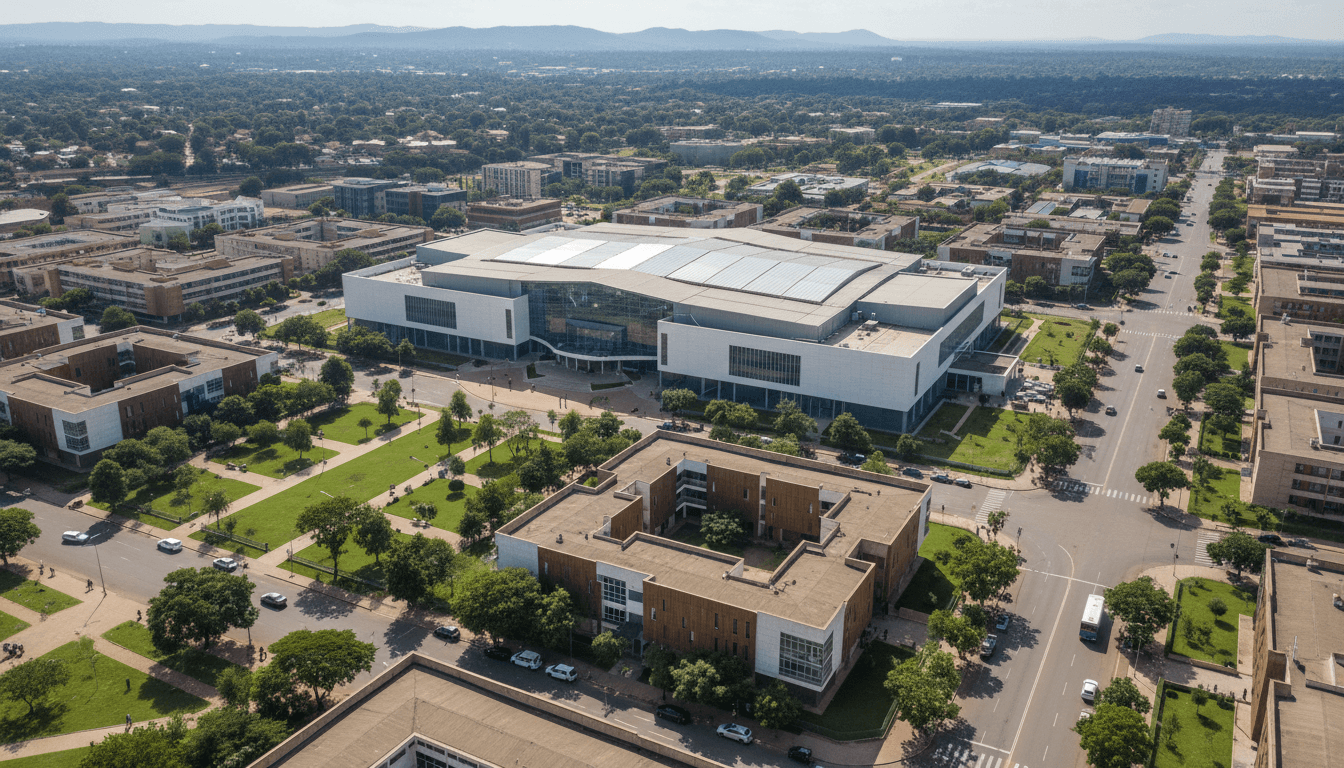
The abrupt cancellation of the world’s largest human rights tech summit in Zambia just days before its scheduled start has sent shockwaves through the global human rights and technology communities. RightsCon 2026, the 14th edition of the summit organized by Access Now, was slated to bring over 2,600 activists, technologists, academics, and policymakers from more than 150 countries to Lusaka from May 5 to 8, 2026. The sudden decision by the Zambian government has ignited a fierce debate over freedom of assembly and expression, both within Zambia and on the international stage, with concerns also surfacing about potential foreign interference.
The Zambian Ministry of Information and Media initially cited the need for “comprehensive disclosure” of discussion topics and “pending administrative and security clearances” for some speakers. The government stated these measures were necessary to ensure the event “aligns with Zambia’s national values, policy priorities, and broader public interest considerations.” Following this announcement of a postponement on April 29, RightsCon organizers, Access Now, advised registered participants not to travel to Lusaka, effectively canceling the summit in Zambia. This disruption also forced UNESCO to significantly scale back its World Press Freedom Day conference, which was scheduled to run alongside RightsCon in Lusaka, moving its flagship prize ceremony to Paris.
The Abrupt Cancellation of RightsCon
The immediate fallout from the cancellation is substantial. Thousands of international attendees who had booked flights and accommodations face considerable logistical and financial costs. Beyond the tangible expenses, the incident has, according to prominent Zambian lawyer and civil society activist Linda Kasonde, “dents the image of our country.” This sentiment underscores the broader concern that Zambia’s standing as a potential host for international events and a nation committed to democratic principles is now under scrutiny.
Expert perspectives are largely critical. Idriss Ali Nassah, senior Africa researcher at Human Rights Watch (HRW), stated that the “flimsy reasons” for postponement suggest the government aimed to control the summit’s human rights agenda. Deborah Brown, technology and rights deputy director at HRW, called it a “terrible blow to the digital rights movement in Zambia and globally.” These strong condemnations highlight the perceived assault on a platform dedicated to discussing critical issues at the intersection of human rights and technology.
“The flimsy reasons for postponement suggest the government aimed to control the summit’s human rights agenda, a terrible blow to the digital rights movement in Zambia and globally.”
Concerns about freedom of assembly and expression in Zambia are not new. Freedom House, in its latest Freedom of the Net report, described Zambia as “partly free,” noting instances of government critics being jailed for online speech. The Zambian Human Rights Commission has previously raised concerns about violations of the right to freedom of assembly by the police, describing it as an “emerging and disturbing culture of political repression.” Amnesty International also reported in 2025 that freedom of expression and peaceful assembly were repressed, with authorities misusing the Public Order Act to curb protests. This historical context suggests a pattern of tightening control, making the human rights tech summit cancellation particularly alarming.
A significant aspect of the cancellation, widely reported by rights groups and local media, is the alleged pressure from Chinese authorities. Reports suggest that China objected to the participation of Taiwanese activists, especially since the conference was to be held in a venue donated by China. Zambia has strong political and economic ties with China, which is its largest bilateral creditor and a major investor in infrastructure. Taiwanese Minister of Digital Affairs Lin Yi-jing stated that the cancellation demonstrated China’s unease with “the ideas of freedom, democracy and rule of law that Taiwan and RightsCon represent.” This potential foreign influence adds a complex geopolitical layer to the discussion surrounding the human rights tech summit.
The cancellation also comes amidst increasing government control over online spaces across Africa, with issues ranging from internet shutdowns to the use of surveillance technologies and restrictive cybercrime laws. Zambia itself enacted new cybercrime and cybersecurity laws in 2025, which critics argue expand state powers over online speech and could restrict freedom of expression ahead of the country’s August 2026 elections. This broader regional and national context underscores the significance of the human rights tech summit’s cancellation as a bellwether for digital rights in Africa.
Looking ahead, the implications are far-reaching. The incident could deter other international organizations from choosing Zambia as a host for future events, impacting its soft power and economic aspirations. For the digital rights movement, it signals a growing challenge in finding safe and open spaces for critical discussions, especially in countries with strong ties to authoritarian regimes. The global community will be watching closely to see how Zambia navigates the fallout from this decision and whether it takes steps to reassure civil society about its commitment to fundamental freedoms. The cancellation of the human rights tech summit is more than a logistical setback; it is a critical moment for examining the delicate balance between national sovereignty, international cooperation, and the universal principles of human rights.