The fragile three-week ceasefire between the United States and Iran has shattered, with President Donald Trump declaring it “over” on Wednesday, July 8, 2026. This sudden pronouncement, made on the sidelines of the NATO summit in Ankara, has plunged the region back into intense military conflict, particularly around the critical Strait of Hormuz, sending shockwaves through global energy markets and raising alarms about international stability.
President Trump’s blunt statement, “I don’t want to deal with them any more. They’re scum,” signaled an immediate and aggressive shift in US posture. Vice President JD Vance reinforced this stance, warning, “If they shoot at ships, we’re going to knock the hell out of them.” This verbal escalation quickly translated into renewed military action, with the US launching a second consecutive day of strikes against Iranian targets.
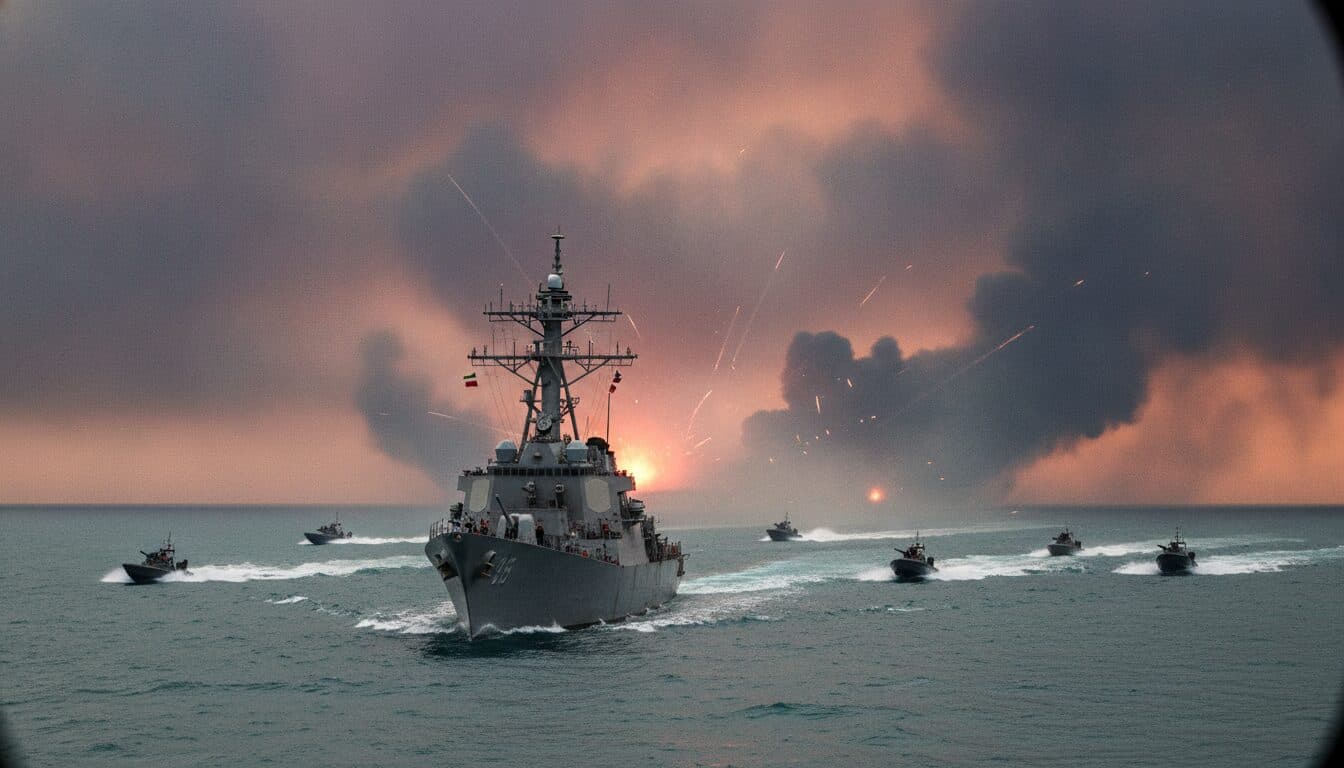
US Central Command (CENTCOM) reported hitting approximately 90 targets across Iran on July 8, 2026. These strikes focused on Iranian military sites, including air defense systems, coastal surveillance assets, missile and drone storage sites, naval capabilities, and crucial military logistics infrastructure along Iran’s coastline. This followed an initial round of US strikes on July 7, 2026, which targeted roughly 80 military objectives, including over 60 Islamic Revolutionary Guard Corps (IRGC) small boats. The US justified these actions as a response to Iran’s attacks on commercial vessels in the Strait of Hormuz and aimed to “further degrade” Iran’s ability to threaten shipping in the vital waterway.
Iran’s Islamic Revolutionary Guard Corps (IRGC) swiftly retaliated, attacking US military bases in Kuwait and Bahrain for a second consecutive night. On Thursday, July 9, 2026, the IRGC announced strikes on “key infrastructure and facilities” at Camp Arifjan and Ali Al Salem Air Base in Kuwait, as well as US military bases in Juffair and Sheikh Isa in Bahrain, utilizing missiles and drones. Iran’s army further claimed to have targeted a Patriot air defense system in Kuwait, an early-warning site in Qatar, and fuel storage facilities in Bahrain with “large numbers of various types of destructive drones.” The IRGC issued a stark warning, stating that their responses would expand to other bases in the region if US attacks persisted.
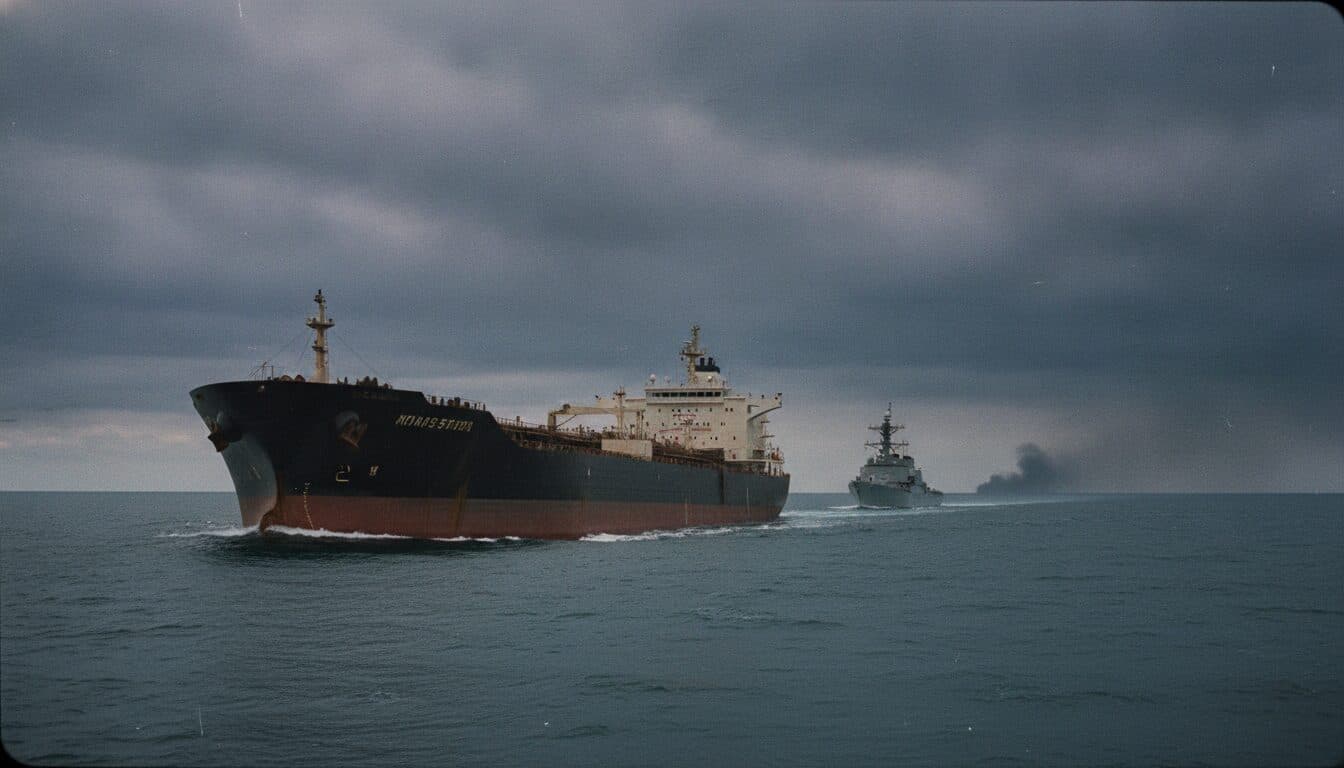
The most immediate and profound impact of this renewed US-Iran conflict has been on the Strait of Hormuz. This crucial international trade corridor, through which approximately 20% of the world’s oil and liquefied natural gas (LNG) normally transits, has seen maritime traffic grind to a near standstill. Iran’s renewed attacks on commercial vessels, including three tankers on July 7, 2026, were cited by the US as a “clear violation” of the ceasefire agreement. Iran, however, maintains its right to manage traffic and impose fees through the strait, a position vehemently rejected by the US and other shipping nations. The disruption has left thousands of seafarers and hundreds of vessels stranded, pushing oil prices sharply higher and igniting significant concerns about global energy security.
Casualties have also mounted. Iran’s Health Ministry reported on July 9, 2026, that US airstrikes over the preceding two days had killed at least 14 people and wounded 78. Among the deceased were at least nine members of Iran’s armed forces killed in Wednesday’s strikes, and a firefighter at an airport in Iranshahr.
US-Iran Conflict: Global Reactions and Economic Fallout
International reactions to the escalating US-Iran conflict have been mixed. NATO Chief Mark Rutte stated that the violent US response was “absolutely necessary,” indicating support for Washington’s actions among some allies. Conversely, China called for immediate de-escalation and a return to negotiations, emphasizing that “reigniting the conflict does not serve any party’s interests.” UN Secretary-General António Guterres issued a grave warning, cautioning that a return to full-scale hostilities would have “catastrophic consequences for the peoples of the region, for international peace and security, and for the global economy as a whole.”
“A return to full-scale hostilities would have catastrophic consequences for the peoples of the region, for international peace and security, and for the global economy as a whole.”
The current crisis follows a three-week period of relative calm after a peace deal was signed, a period that now appears to have been a temporary reprieve. The long-standing tensions between the US and Iran, often fueled by disputes over Iran’s nuclear program, regional influence, and maritime activities, have consistently destabilized the Middle East. The Strait of Hormuz has frequently been a flashpoint, with both nations asserting differing claims over its control and navigation rights. This historical context underscores the deep-seated nature of the US-Iran conflict and the challenge of achieving lasting peace.
Looking ahead, the immediate future appears fraught with peril. The declared end of the ceasefire and the direct exchange of military strikes suggest a potential for further escalation. Investors and global markets will be closely monitoring developments, particularly concerning the flow of oil through the Strait of Hormuz. Any prolonged disruption there could lead to sustained high energy prices, impacting inflation and economic growth worldwide. The international community’s ability to mediate or de-escalate the situation will be paramount, though the current rhetoric from both Washington and Tehran offers little immediate hope for a swift resolution.
For readers and investors, the key takeaway is the profound uncertainty and heightened risk emanating from the US-Iran conflict. The global economy, already navigating complex challenges, now faces the added burden of an unpredictable and potentially expanding military confrontation in a vital energy-producing region. Vigilance regarding market reactions, particularly in oil and shipping sectors, is essential as this critical situation unfolds.