The fragile peace in the Persian Gulf has shattered, as the United States and Iran engage in a renewed exchange of strikes, pushing the region to the precipice of a wider conflict and sending tremors through global energy markets. The escalation of conflict between the US and Iran, particularly in the critical Strait of Hormuz, has brought shipping to a near-standstill and ignited fears of significant economic disruption.
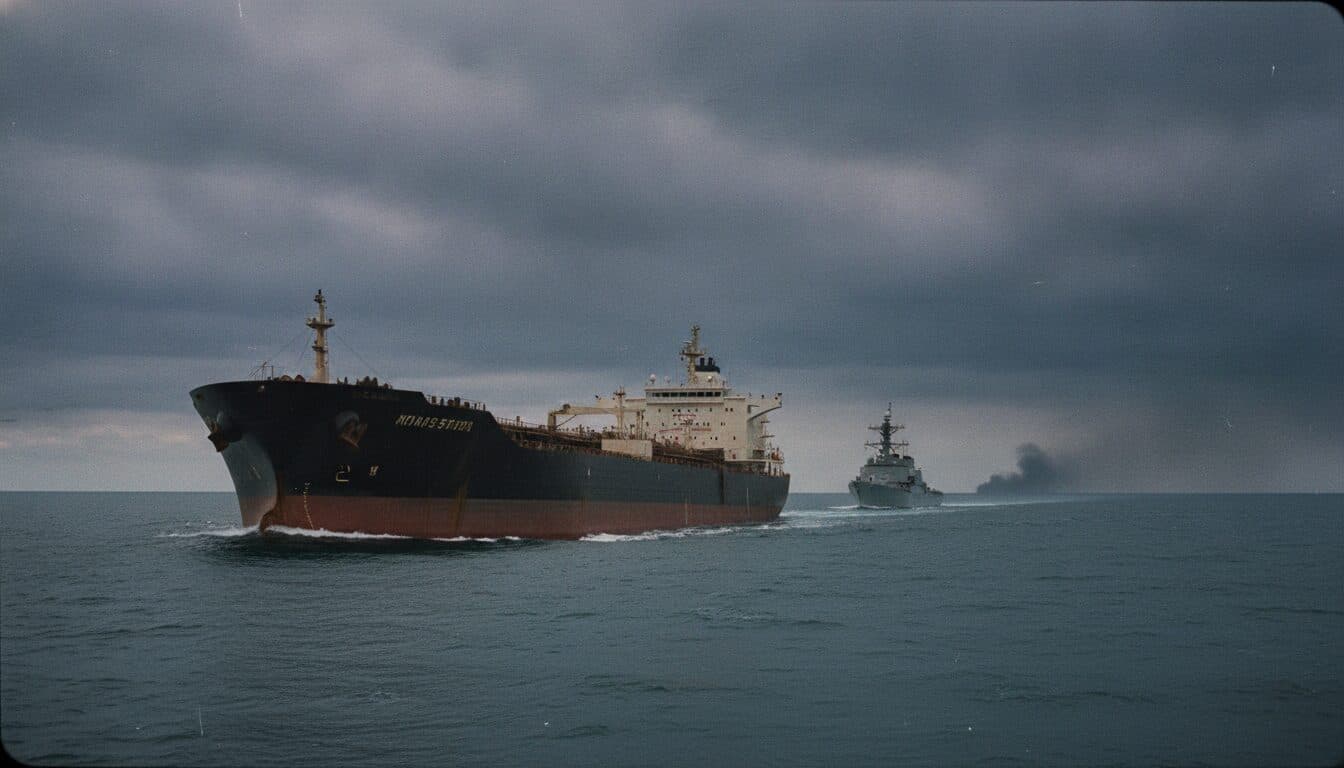
Less than a month after a Memorandum of Understanding (MoU) on June 17, 2026, sought to extend a ceasefire and pave the way for a permanent truce, President Donald Trump declared the agreement defunct on July 8. Citing alleged Iranian attacks on three commercial oil tankers – the Marshall Islands-flagged M/T Al Rekayyat, the Saudi Arabia-flagged M/T Wedyan, and the Liberian-flagged M/T Cyprus Prosperity – Trump stated, “I don’t want to deal with them any more. They’re scum.” The attacks also reportedly struck a Qatari liquefied natural gas (LNG) tanker, the Al Rekayyat, placing it at risk of explosion.
Escalation of Conflict Between US and Iran
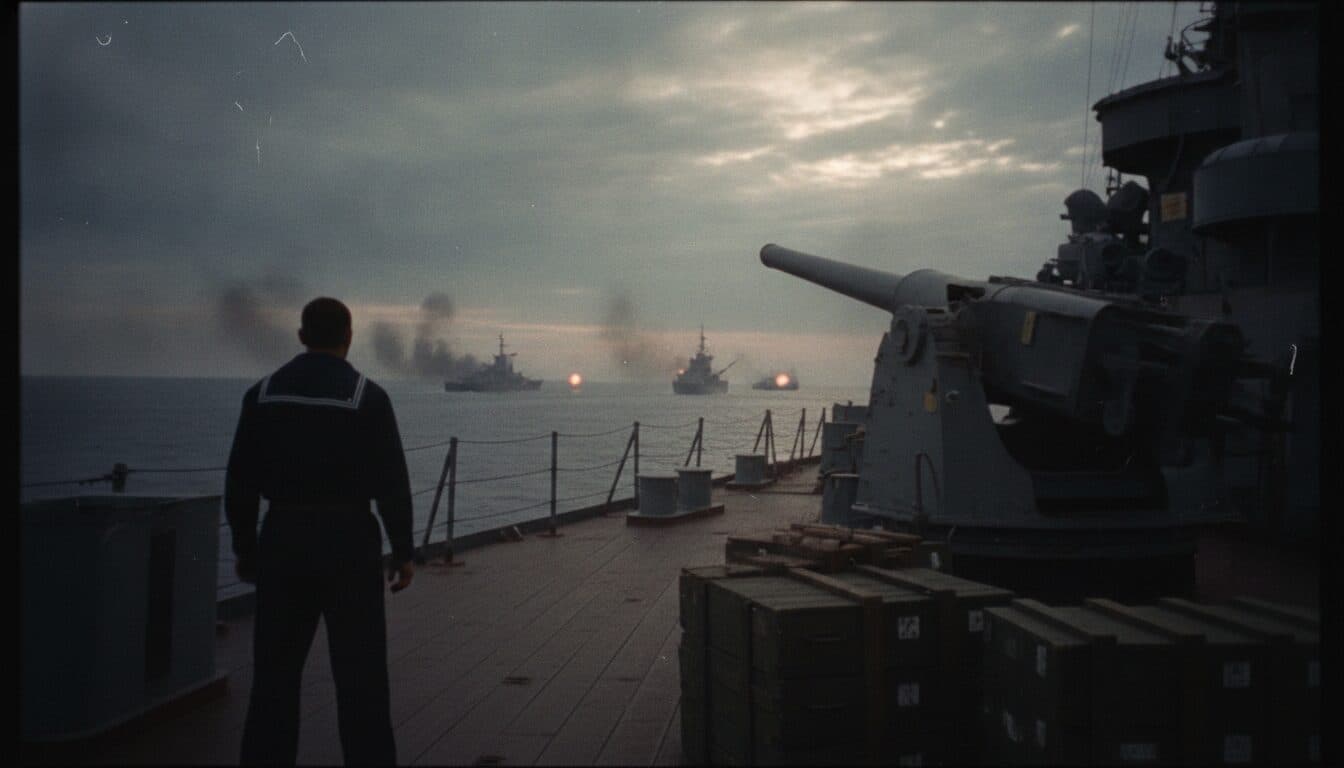
The U.S. response was swift and decisive. On July 7, U.S. Central Command (CENTCOM) forces launched offensive strikes against approximately 80 Iranian military targets. These included over 60 Islamic Revolutionary Guard Corps (IRGC) small boats, air defense systems, command and control networks, coastal radar sites, and anti-ship missile capabilities. The following day, July 8, the U.S. unleashed an additional round of strikes, hitting roughly 90 Iranian military targets. These aimed to “further degrade Iran’s ability to attack commercial shipping and innocent civilian mariners in the Strait of Hormuz,” targeting air defense systems, coastal surveillance assets, missile and drone storage sites, naval capabilities, and military logistics infrastructure along Iran’s coastline. U.S. officials also confirmed striking two railway bridges used for transporting Iranian military weapons and supplies. Iran’s Mizan news agency reported three IRGC members killed, with health authorities citing 14 fatalities and dozens wounded across five provinces over two days.
Iran’s retaliation was equally rapid. The IRGC claimed to have targeted U.S. military bases in Bahrain and Kuwait, hitting a Patriot air defense system in Kuwait, a satellite and early-warning site in Qatar, and fuel storage sites used by U.S. forces in Bahrain. Ten ballistic missiles were also reportedly fired at Jordan’s Azraq military base, a U.S. Air Force facility. Kuwait reported intercepting two ballistic missiles and 13 drones, with one person wounded by falling debris. Bahrain’s armed forces stated they “intercepted and destroyed several treacherous Iranian aerial attacks,” while Jordan’s military intercepted eight missiles with no reported casualties. Iranian officials further accused the U.S. of striking near the perimeter of Iran’s only civilian nuclear plant in Bushehr province, an area where the UN’s nuclear watchdog has previously raised safety concerns.
Impact on Global Markets and Shipping
The renewed escalation of conflict between the US and Iran has sent immediate shockwaves through global financial markets, particularly the energy sector. Brent crude futures surged to $78.55 a barrel, while U.S. West Texas Intermediate climbed to $73.91 a barrel on July 9. The U.S. decision to revoke a temporary sanctions waiver that allowed Iran to sell oil further contributed to this upward price pressure. War insurers have advised shipowners to halt voyages through the Strait of Hormuz, a critical choke point for approximately 20% of the world’s oil and gas. This has left an estimated 6,000 seafarers stranded on hundreds of vessels, with maritime authorities elevating the threat risk for transiting vessels to “severe.”
“America has still not learnt that bullying and breaking promises are no longer cost-free. To be clear: if you strike, you’ll get hit.”
This renewed aggression unfolded as Iran was burying its former Supreme Leader Ayatollah Ali Khamenei, reportedly killed in U.S.-Israeli airstrikes. Iran’s Parliamentary Speaker Mohammad Bagher Ghalibaf issued a stark warning: “America has still not learnt that bullying and breaking promises are no longer cost-free. To be clear: if you strike, you’ll get hit.”
International Reactions and Future Uncertainties
International reactions have largely called for de-escalation. China urged a return to negotiations, while Gulf states including Saudi Arabia, Bahrain, Kuwait, and Egypt condemned Iran’s attacks and called for restraint. The UN International Maritime Organization (IMO) Council Member States have also condemned Iran for its “continued threats” and alleged attacks. The immediate future of the region remains highly uncertain. The tit-for-tat nature of the strikes raises the specter of a dangerous escalation, with the potential for miscalculation to trigger a broader regional conflict. Investors and global consumers alike will be closely watching for any further developments, particularly regarding the security of the Strait of Hormuz and its impact on oil prices. The risk premium associated with Middle Eastern crude is set to remain elevated, underscoring the profound instability brought about by this latest chapter in U.S.-Iran tensions. For ongoing analysis of geopolitical developments and their market implications, visit related trending articles.
The current situation underscores the persistent volatility in a region vital to global energy supplies. The complete collapse of the ceasefire, coupled with direct military engagements, represents a significant regression from even the tentative steps towards dialogue seen just weeks ago. The economic fallout, particularly through disrupted shipping and higher oil prices, will undoubtedly reverberate globally, adding another layer of complexity to an already challenging economic landscape.