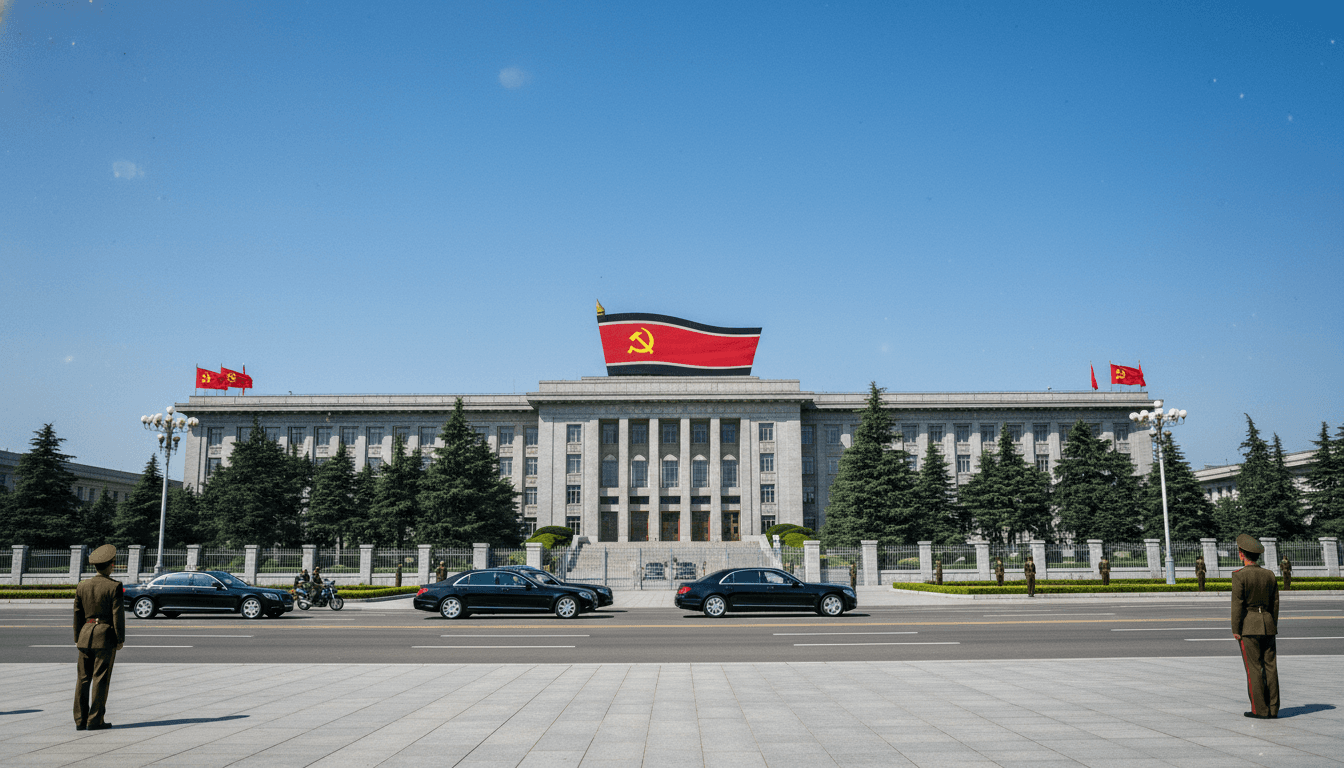
Chinese President Xi Jinping’s upcoming visit to North Korea marks his first since 2019, signalling potential shifts in regional dynamics and economic ties. Scheduled for June 8-9, 2026, at the invitation of North Korean leader Kim Jong Un, this high-stakes diplomatic engagement comes at a pivotal moment, following Xi’s recent meetings with both U.S. President Donald Trump and Russian President Vladimir Putin in May. The timing underscores Pyongyang’s enduring strategic importance to Beijing amidst an increasingly complex global power competition.
This is Xi’s first overseas journey of 2026, a clear indicator of the priority China places on its relationship with the reclusive state. The visit is set to commemorate the 65th anniversary of the 1961 China-North Korea Treaty of Friendship, Cooperation and Mutual Assistance, providing a historical anchor for what many analysts believe will be a renewed assertion of Chinese influence in the Korean Peninsula.
Reasserting Influence Amidst Geopolitical Currents
The **Xi Jinping North Korea visit** is widely interpreted as Beijing’s strategic move to reassert its influence over Pyongyang, particularly as North Korea has been deepening its relationship with Russia. Experts like William Yang, an analyst for the International Crisis Group, contend that China aims to safeguard its strategic interests in Northeast Asia. This rebalancing act comes after a period where North Korea’s diplomatic tilt appeared to be shifting towards Moscow, raising questions about the traditional power dynamics in the region.
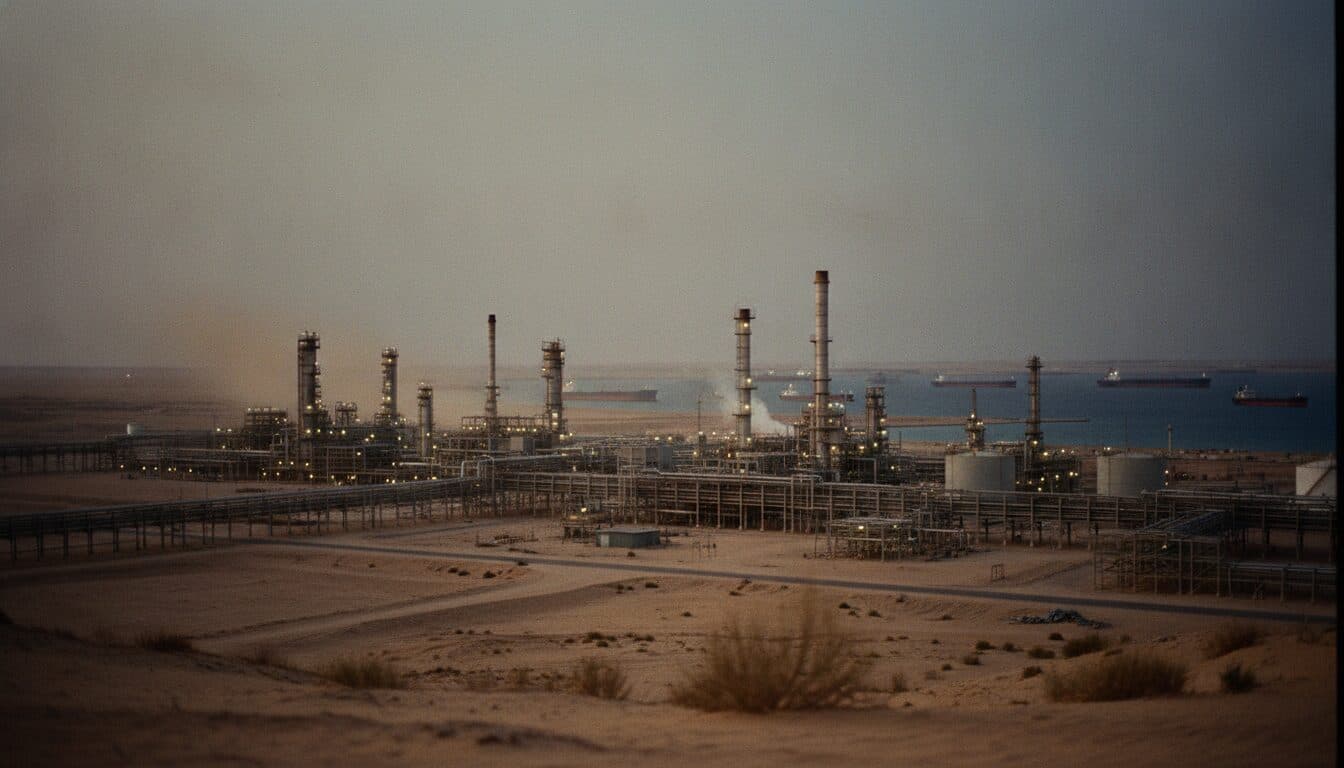
The announcement of Xi’s trip also closely followed North Korea’s unveiling of a new facility for producing nuclear materials. Kim Jong Un’s subsequent declaration of plans to “exponentially” bolster the country’s nuclear forces is seen by many as a calculated move to solidify North Korea’s status as a nuclear weapons state ahead of the high-profile visit. This development will undoubtedly cast a long shadow over the discussions, with analysts keenly watching for any statements from China regarding calls for North Korea’s denuclearization. In 2019, Xi had notably praised North Korea’s efforts to safeguard peace and stability and promote denuclearization, expressing hope for progress in U.S.-North Korea talks.
“China is seeking to stake a mediator’s claim ahead of Washington, engaging in what some see as a combination of diplomatic theater and structural pre-emption,” observes one regional expert.
Kim Jong Un, for his part, likely aims to leverage the visit to bolster bilateral ties, mitigate the impact of international sanctions, improve North Korea’s precarious economic situation, and reinforce his status as a responsible leader of a nuclear-armed state.
Economic Ties and Market Implications
Economically, China has long been the lifeline for North Korea, serving as its primary trading partner for over two decades. In 2023, China accounted for approximately 98% of North Korea’s official total imports and exports, with North Korea relying on China for up to 95% of its total trade and 85% of its exports. However, this crucial economic artery was severely constricted by the COVID-19 pandemic, with China closing its border in early 2020. Trade plummeted by over 80% in 2020, crippling North Korea’s already fragile economy.
The year 2026 has seen a gradual but significant recovery in economic exchanges. The resumption of passenger train services between Beijing, Dandong, and Pyongyang in March, coupled with Air China restarting flights, signals a thawing of the border and a renewed impetus for trade. Observers anticipate that the Xi Jinping North Korea visit will be a pivotal moment for expanding substantive economic cooperation. This includes the likely materialization of increased logistics exchanges and the much-anticipated resumption of Chinese group tourism, which could provide a much-needed injection of foreign currency into North Korea.
There have also been movements to establish a new customs office near the New Yalu River Bridge, further indicating a potential ramp-up in cross-border trade and infrastructure development. Despite China’s dominance in trade and foreign direct investment (FDI) in North Korea, its contribution to North Korea’s overall economic development has not been substantial, largely due to the composition of trade and FDI inflows. This visit could mark a strategic shift towards more impactful economic engagement, potentially expanding beyond raw materials and basic goods.
What to Watch For: Future Implications
The implications of this visit extend far beyond the immediate bilateral relationship. For the global community, any indication of China’s stance on North Korea’s nuclear ambitions will be paramount. Will Beijing reiterate its commitment to denuclearization, or will the rhetoric shift to acknowledge North Korea’s declared nuclear status? The balance of power in Northeast Asia is undeniably in flux, and China’s role as a regional hegemon is being tested by Russia’s growing presence.
Investors and businesses with interests in the region will be closely monitoring for signals of increased stability or potential volatility. The resumption of tourism and expanded logistics could present new, albeit risky, opportunities for Chinese businesses, while the broader geopolitical implications could influence commodity markets and regional security premiums. For more trending stories and market insights, click here.
The upcoming Xi Jinping North Korea visit is more than a ceremonial commemoration; it is a strategic maneuver designed to recalibrate regional power dynamics and solidify Beijing’s influence. As the world watches, the outcome of these two days in Pyongyang could redefine the future trajectory of the Korean Peninsula and reverberate across global geopolitical landscapes for years to come.