The United States has escalated its financial pressure campaign against Iran, offering a substantial $15 million bounty for information leading to the disruption of illicit financial networks used by Iran’s Islamic Revolutionary Guard Corps (IRGC). This significant financial incentive, announced by the U.S. State Department under its “Rewards for Justice” program, underscores Washington’s intensified efforts to curb what it describes as the IRGC’s destabilizing activities across the Middle East and its alleged funding of proxy groups.
The bounty specifically targets the financial mechanisms sustaining the IRGC and its external operations arm, the IRGC-Quds Force (IRGC-QF). U.S. officials assert that these illicit networks fund a spectrum of military activities and support for proxy groups, thereby fueling regional conflicts and terrorism. The State Department highlighted that the oil revenues generated through these illicit channels, which the U.S. claims should benefit the Iranian populace, are instead diverted to fund the regime’s agenda, exacerbating economic hardship within Iran due to corruption and mismanagement.
This latest move is an integral part of the broader “Economic Fury” sanctions framework, a strategic initiative designed to dismantle Iran’s alleged illicit oil trade and its intricate funding systems. Secretary of the Treasury Scott Bessent affirmed the Treasury’s unwavering commitment, stating,
“Treasury will continue to deny the Islamic Revolutionary Guard Corps access to the financial networks it exploits to fund its terrorist acts.”
The focus keyphrase, IRGC funding intel, highlights the precise target of this unprecedented reward.
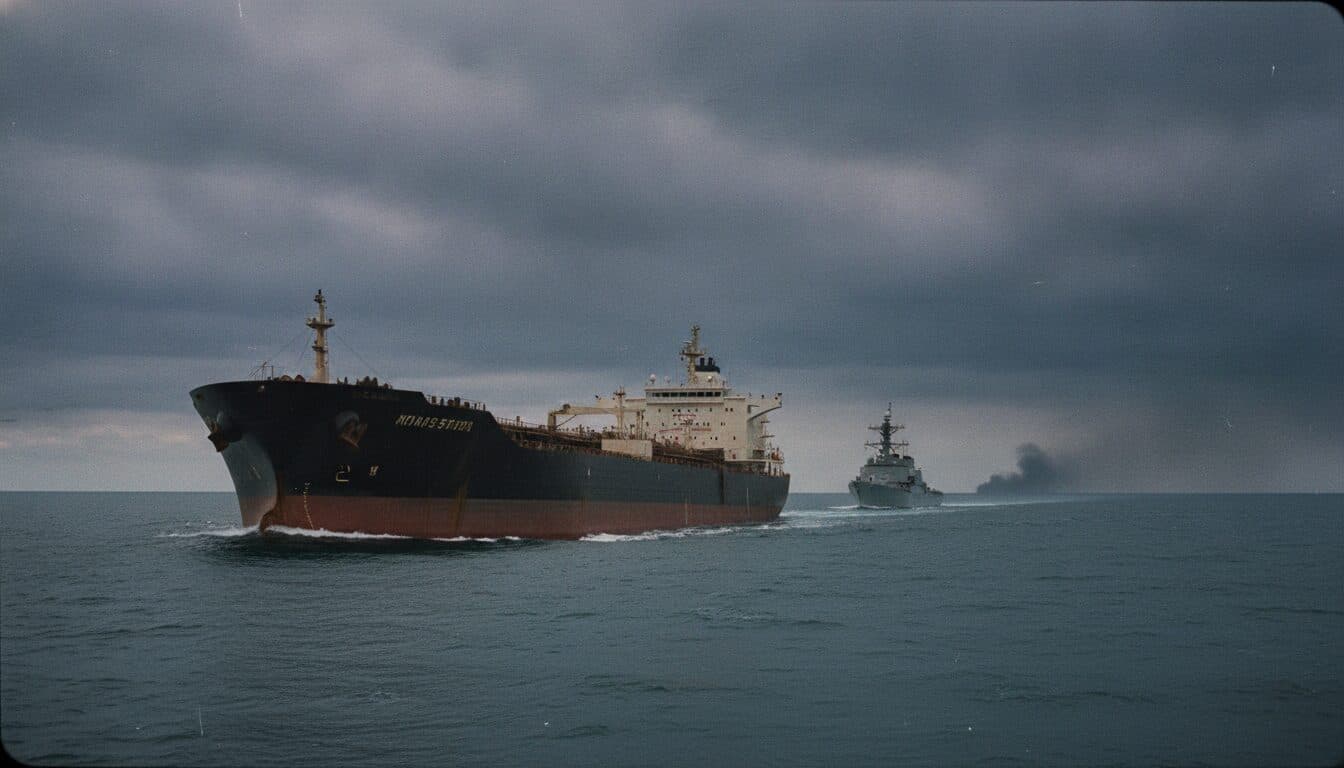
The U.S. Treasury’s Financial Crimes Enforcement Network (FinCEN) has provided detailed insights into the IRGC’s sophisticated methods for facilitating and laundering proceeds from illicit oil sales. These tactics include the extensive use of shell companies and financial facilitators, the deployment of a “shadow fleet” of aging vessels for oil smuggling to international buyers, and the operation of “shadow banking” networks comprising exchange houses, trading companies, and front companies. These networks are crucial for selling oil, laundering proceeds, and procuring weapons. Furthermore, FinCEN noted the IRGC’s increasing exploitation of digital assets, including stablecoins, to circumvent economic restrictions.
Coinciding with the bounty announcement, the U.S. has imposed fresh sanctions on a network allegedly involved in the sale and shipment of Iranian oil to overseas buyers on behalf of the IRGC. This targeted action included three senior officials from the IRGC’s Shahid Purja’fari Oil Headquarters, accused of coordinating oil-related financial transactions. Nine entities were also sanctioned, with four in Hong Kong, four in the UAE, and one in Oman, for their purported roles in the sale and transfer of Iranian oil to China. This multi-pronged approach underscores the U.S.’s determination to disrupt the IRGC’s financial lifelines.
The Economic and Geopolitical Impact of IRGC Funding Intel
The immediate impact of this initiative extends beyond financial disruption, touching upon regional stability and global oil markets. Heightened tensions between the U.S. and Iran are a direct consequence, with potential ramifications for the Middle East’s volatile geopolitical landscape. Any significant disruption to Iran’s oil exports, even illicit ones, could introduce further uncertainty into global oil markets, potentially affecting prices and supply chains. For businesses, particularly those involved in maritime shipping, finance, and international trade, the increased scrutiny and sanctions risk associated with Iranian oil transactions necessitate extreme vigilance and enhanced compliance measures. The U.S. has long accused the IRGC of financing numerous terrorist attacks globally, including through proxies like Hamas, Hezbollah, and Iran-backed militia groups in Iraq, making the disruption of their funding a critical objective.
This isn’t the first time the Rewards for Justice program has targeted the IRGC. Established in 1984 and administered by the U.S. Department of State’s Bureau of Diplomatic Security, the program has historically paid over $250 million to more than 125 individuals for information preventing international terrorist attacks or aiding in the apprehension of terrorists. The IRGC itself was designated a foreign terrorist organization (FTO) by the U.S. in 2019. Previous bounties include a $15 million reward in January 2024 for information on Iranian businessman Hossein Hatefi Ardakani, allegedly linked to IRGC weapons technology acquisition, and another $15 million in March 2025 for information disrupting IRGC financial mechanisms and identifying Chinese nationals supplying dual-use technology for IRGC armaments. This history provides crucial context for the latest offer for IRGC funding intel.
Looking ahead, the success of this bounty program hinges on the willingness of individuals to come forward with actionable intelligence. The U.S. strategy appears to be a sustained campaign of financial attrition, aiming to choke off the IRGC’s funding streams and thereby diminish its capacity to project power and influence through its proxies. Expert predictions suggest that Iran will likely seek alternative, even more clandestine, methods to finance its operations, potentially increasing reliance on digital assets and complex offshore networks. This could lead to a cat-and-mouse game between U.S. intelligence and Iranian financial facilitators, with implications for international financial crime enforcement. Investors and businesses should closely monitor developments, as any escalation in regional tensions or further disruptions to global energy supplies could have significant market impacts. Related trending articles often highlight the interconnectedness of geopolitical events and economic outcomes.
The key takeaway for readers and investors is that the U.S. is employing a multifaceted and aggressive strategy to counter Iranian influence, with a particular focus on its financial underpinnings. The $15 million bounty for IRGC funding intel is not merely a symbolic gesture but a tangible effort to solicit crucial information that could lead to significant disruptions. The implications for regional stability, global energy markets, and the broader landscape of international finance are profound and warrant close attention in the coming months.