A US journalist kidnapped in Baghdad on Tuesday, March 31, 2026, has sent shockwaves through the international community, reigniting critical concerns about press freedom and the perilous environment for media professionals in conflict zones. Shelly Kittleson, an Italian-American freelance reporter with a distinguished record of covering the Middle East and Afghanistan, was abducted in central Baghdad, prompting an immediate response from Iraqi authorities and global alarm bells.
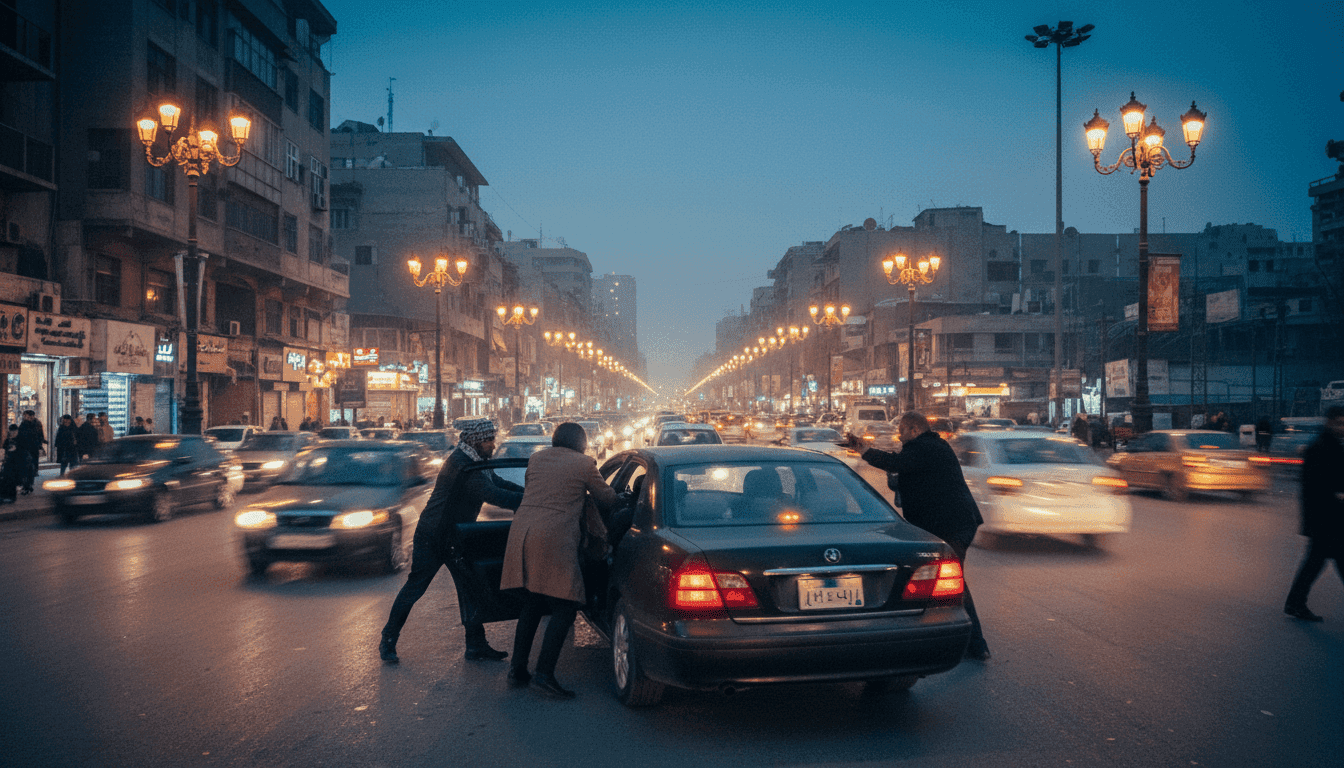
The abduction unfolded on Saadoun Street, with online footage reportedly showing an individual being forced into a vehicle by several people. Iraqi officials quickly confirmed the kidnapping of a foreign journalist by “unknown individuals,” initiating a swift security operation. During the pursuit, one vehicle allegedly used in the abduction crashed near Al-Haswa in Babil province, southwest of Baghdad, leading to the arrest of one suspect. However, Kittleson had already been transferred to a second car, and her whereabouts remain unknown, intensifying the urgency of the situation.
The Perilous Path of Reporting in Iraq
The context surrounding Shelly Kittleson’s abduction is particularly alarming. Alex Plitsas, a CNN national security analyst and Kittleson’s designated U.S. contact, confirmed that the U.S. government had previously warned her about a specific threat from the Iranian-backed paramilitary group Kata’ib Hezbollah. This group was reportedly targeting female journalists for kidnapping or assassination, and Kittleson’s name was allegedly on a list in their possession. The U.S. State Department has since confirmed that the suspect in custody has ties to Kata’ib Hezbollah, a group notorious for its involvement in regional instability and attacks on U.S. facilities in Iraq. These warnings underscore the extreme risks journalists face in the region, particularly those reporting on sensitive geopolitical issues.
Kittleson, a seasoned freelance reporter, has contributed to prominent international publications such as Al-Monitor, Foreign Policy, New Lines Magazine, the BBC, and Politico. Her extensive reporting from war zones in Iraq, Syria, and Afghanistan highlights her dedication to bringing vital stories to light, often at great personal risk. Al-Monitor, for whom Kittleson works, issued a statement expressing profound alarm and advocating for her immediate and safe release, emphasizing the indispensable role of her reporting from the region.
This incident is not isolated. The alleged involvement of Kata’ib Hezbollah in Kittleson’s kidnapping draws parallels to the 2023 abduction of Russian-Israeli graduate student Elizabeth Tsurkov, who was held for 903 days before her release in September 2025. Such actions by Iran-backed militias have consistently destabilized Iraq and the broader Middle East.
Global Repercussions and Press Freedom Under Siege
The kidnapping of a US journalist kidnapped in Baghdad carries significant global implications, casting a harsh light on the deteriorating state of press freedom in Iraq and the Middle East. Press freedom organizations consistently rank Iraq among the most dangerous countries for media professionals. Between 2006 and 2018, UNESCO recorded 198 journalists murdered in Iraq. Euro-Med Monitor further documented 61 journalists killed in Iraq over the last decade, averaging six per year, making it the second-highest in the MENA region after Syria. These figures paint a grim picture of a media landscape where intimidation, kidnappings, attacks, and killings often occur with impunity.
“The abduction of Shelly Kittleson is a stark reminder of the immense dangers journalists face in Iraq, a country where the free flow of information is constantly under threat from powerful, unaccountable actors.”
Reporters Without Borders ranks Iraq 172nd out of 180 countries on its World Press Freedom Index, indicating a severely restricted media environment. The Iraqi government faces ongoing criticism for its extraordinary control over the press and its perceived failure to adequately protect journalists. This incident occurs amidst an intensifying regional conflict, with many countries in the Middle East implementing measures that further restrict journalistic work, often citing security concerns. The U.S. Embassy in Iraq has even advised American citizens to leave the country due to the escalating regional war, underscoring the pervasive instability.
While the direct market impact of a single journalist’s kidnapping is complex to quantify, such events undeniably contribute to a broader perception of instability and heightened risk in the region. This perception can deter foreign investment, negatively impact tourism, and complicate operations for international organizations and businesses in Iraq. The ongoing threats to journalists also impede the free flow of information, a cornerstone of transparency and accountability vital for any functioning market and democratic society.
What Lies Ahead: A Call for Action and Vigilance
The immediate future hinges on the efforts to locate and secure Shelly Kittleson’s release. The involvement of a suspect with ties to Kata’ib Hezbollah suggests a politically motivated abduction, making negotiations and rescue efforts particularly delicate. The international community, including press freedom advocates and diplomatic entities, will undoubtedly intensify pressure on Iraqi authorities to ensure her safe return and to hold the perpetrators accountable. This incident will likely reignite debates about the efficacy of protections for journalists in high-risk zones and the role of foreign governments in safeguarding their citizens.
Beyond the immediate crisis, the kidnapping serves as a potent reminder of the fragility of press freedom in regions plagued by conflict and political instability. It underscores the critical importance of supporting independent journalism and advocating for stronger protections for those who risk their lives to report the truth. The long-term implications for foreign journalists operating in Iraq could include increased security protocols, potential withdrawals from certain areas, and a chilling effect on reporting from critical regions. The world watches, hoping for Kittleson’s safe return and a renewed commitment to safeguarding the fundamental right to report without fear.