Global financial markets brace for renewed volatility as a precarious two-week ceasefire between the United States and Iran teeters on the brink of collapse. With the truce set to expire on Wednesday evening, April 22, 2026, the prospect of resumed hostilities and the enduring blockade of the Strait of Hormuz cast a long shadow over the global economy, particularly the energy sector. Brent crude prices, already elevated, signal investor anxiety over the escalating US-Iran tensions.
President Donald Trump has made it unequivocally clear that an extension of the ceasefire is “highly unlikely” without a definitive deal. His public statements, including a declaration on CNBC that he expects to “be bombing, because that is a better attitude to go in with,” underscore a hardened stance. Trump also leveraged Truth Social to claim, “Iran has Violated the Cease Fire numerous times!” The existing naval blockade of Iranian ports, a strategic move to compel Tehran to relinquish control over the critical Strait of Hormuz, remains firmly in place. “I’m not opening it until a deal is signed,” Trump stated, emphasizing the strategic importance of the waterway.
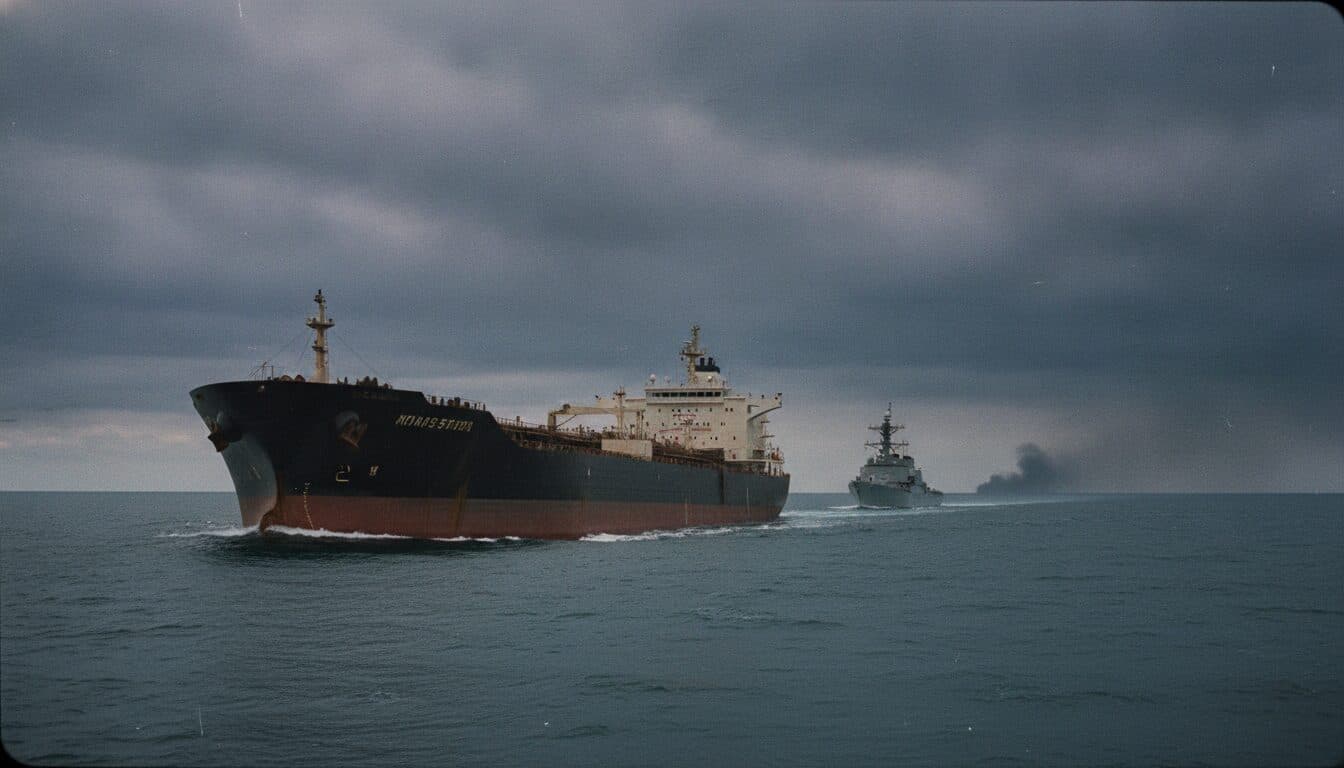
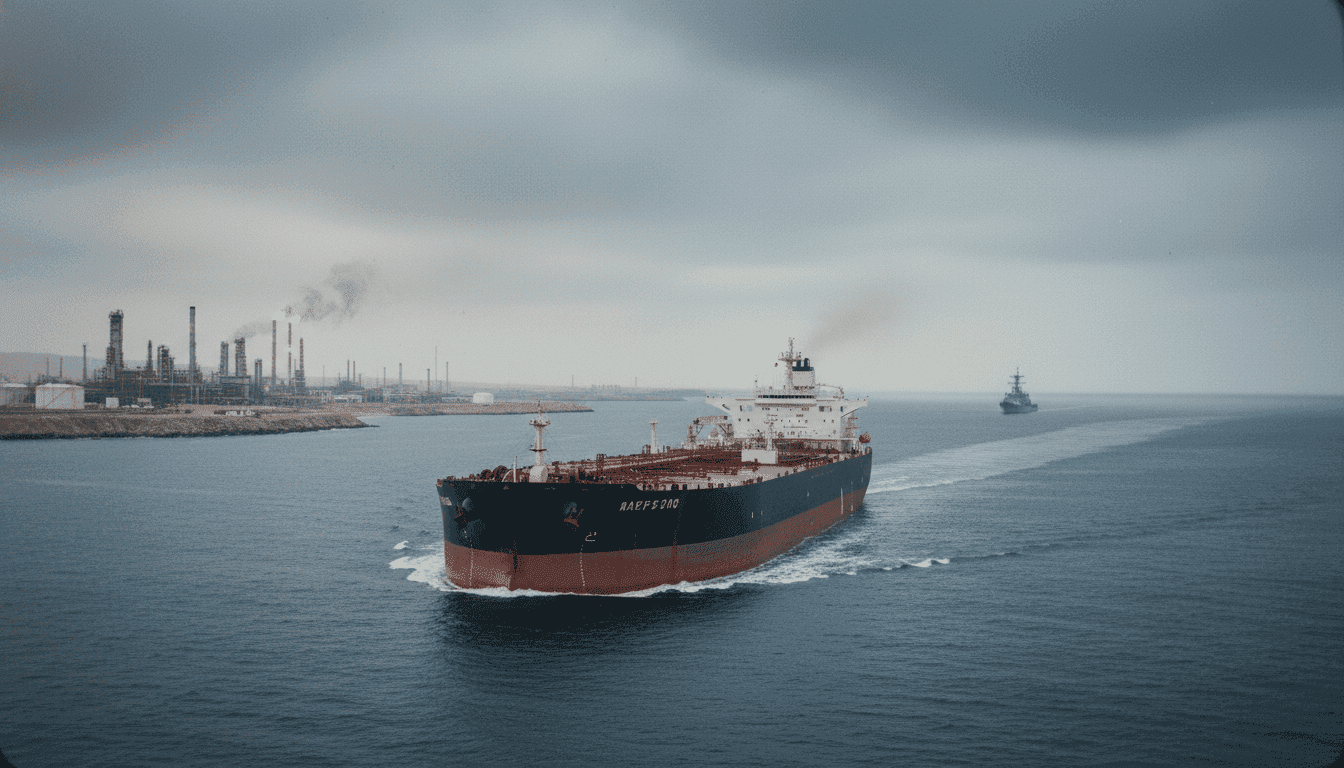
The intensity of the situation was starkly illustrated on Sunday, April 19, when the U.S. Navy intercepted and seized the Iran-flagged M/V Touska tanker in the Arabian Sea. U.S. Central Command reported that the vessel was boarded and searched by U.S. Marines for attempting to breach the naval blockade. Iran’s Foreign Ministry swiftly condemned the action as “maritime piracy,” issuing a stark warning of “extremely dangerous consequences.” This incident further inflamed an already volatile environment, demonstrating the immediate risks associated with the ongoing standoff. Since the blockade began, the U.S. military has reportedly turned back 27 ships attempting to access or depart Iranian ports.
Amidst this backdrop, the fate of peace talks remains uncertain. Vice President JD Vance was slated to lead a U.S. delegation, including envoy Steve Witkoff and Jared Kushner, for new negotiations in Islamabad, Pakistan. However, Vance’s departure was delayed on Tuesday for “additional policy meetings” at the White House, leaving the trip’s status in question. This uncertainty compounds the difficulty of finding a diplomatic off-ramp, especially as Iran’s chief negotiator, Parliament Speaker Mohammad Bagher Ghalibaf, has firmly rejected negotiations “under the shadow of threats.” Ghalibaf accused Trump of aiming to turn the negotiating table “into a table of surrender or to justify renewed warmongering,” and ominously warned that Iran has “prepared to reveal new cards on the battlefield.” Iranian state television further complicated matters by reporting on Tuesday that “no delegation from Iran has visited Islamabad… so far.” Previous talks in Pakistan on April 11, also involving Vance and Ghalibaf, concluded without a breakthrough.
“The persistent US-Iran tensions and the closure of the Strait of Hormuz are not merely geopolitical skirmishes; they are direct threats to global economic stability, particularly impacting energy prices and international trade routes.”
The economic ramifications of the ongoing US-Iran tensions and the Strait of Hormuz blockade are profound and immediate. Brent crude prices soared to nearly $95 per barrel on Tuesday, representing an increase of over 30% since February 28. This surge directly impacts businesses and consumers worldwide, driving up costs across supply chains. President Trump asserts that the blockade is “absolutely destroying Iran,” claiming it costs them “$500 Million Dollars a day.” While the exact figures are debated, the economic pressure on Iran is undeniable, yet it has not yielded the desired diplomatic concessions thus far.
The human cost of this protracted conflict is also staggering. Since the war’s commencement, at least 3,375 lives have been lost in Iran, 2,290 in Lebanon, 23 in Israel, and over a dozen in Gulf Arab states. Furthermore, 15 Israeli soldiers in Lebanon and 13 U.S. service members across the region have been killed. These grim statistics underscore the urgent need for a peaceful resolution, even as the path to diplomacy appears increasingly fraught.
Looking ahead, the next 24 hours are critical. If no deal emerges by Wednesday evening, the world will likely witness a resumption of U.S. military action against Iran, a scenario that would undoubtedly send shockwaves through global markets. Investors and businesses should prepare for heightened volatility in energy prices, potential disruptions to shipping lanes beyond the Strait of Hormuz, and a general increase in geopolitical risk. The stalled peace talks and the hardening rhetoric from both sides suggest a difficult road ahead for de-escalation. The international community watches with bated breath as the ceasefire clock ticks down, hoping for a last-minute diplomatic miracle to avert a wider conflict and stabilize the global economy.