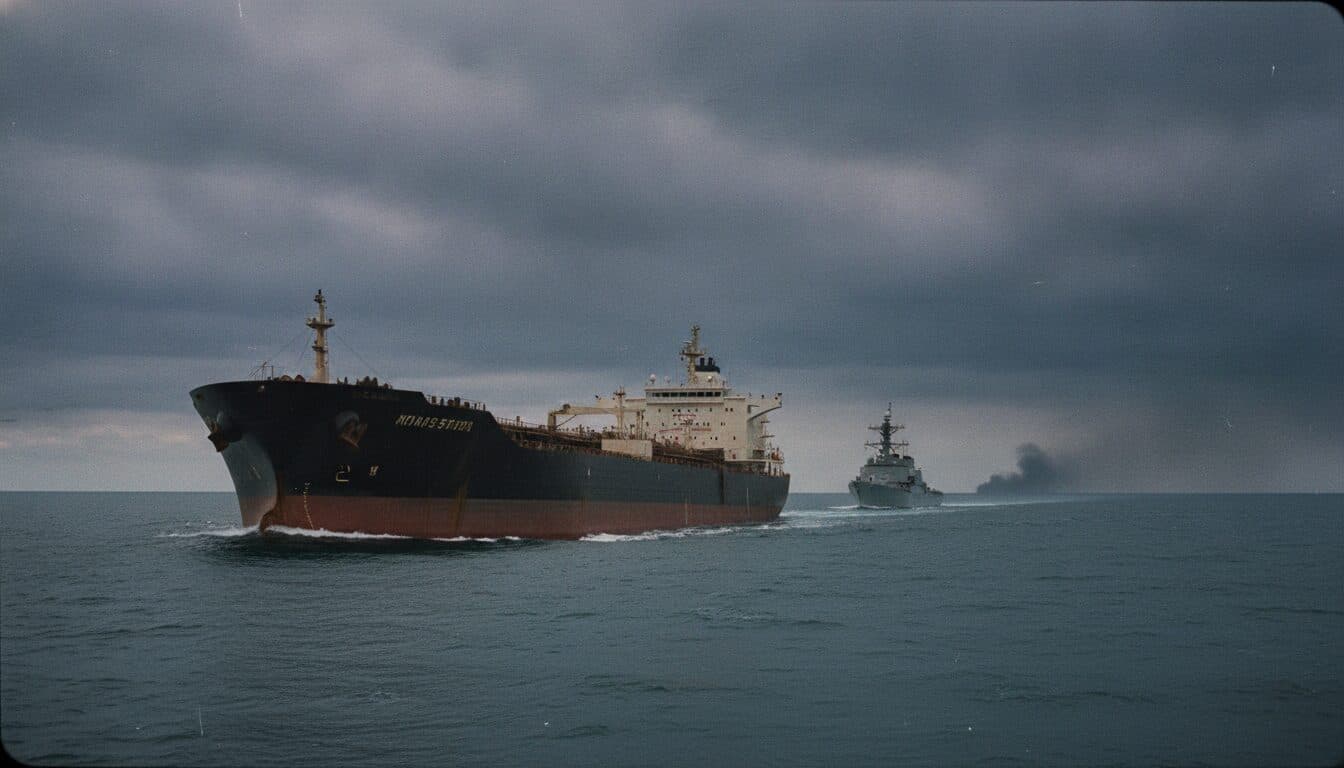
US Iran tensions are escalating rapidly, sending shockwaves through global markets and energy plans and dominating headlines worldwide today. The conflict, ignited by coordinated US-Israeli strikes on February 28, 2026, has quickly morphed into a multifaceted crisis with far-reaching implications.
The Escalating Conflict: Key Events
The initial strikes, which targeted Iranian military and nuclear facilities and resulted in the death of Supreme Leader Ayatollah Ali Khamenei, triggered a swift and forceful response from Iran. Retaliatory missile and drone attacks targeted Israel and U.S. military bases in several Gulf states, including Saudi Arabia, Qatar, the United Arab Emirates, Bahrain, Kuwait, and Jordan. The Iranian Red Crescent reported over 200 deaths in Iran following the initial strikes, and casualties have been reported on both sides. Following Khamenei’s death, a temporary three-person constitutional council is nominally overseeing Iran’s leadership succession process.
Global Market Impact of US Iran Tensions
The immediate impact on global markets has been significant. Brent crude oil prices have surged, initially reaching the $85-90 range, a notable jump from Friday’s close near $73/bbl. Some analysts are even predicting a potential rise above $100 per barrel due to the heightened geopolitical instability. This surge is directly linked to the threat of disruption to approximately 20% of global oil supply that transits the Strait of Hormuz daily. Brig. Gen. Ebrahim Jabbari, a senior advisor to Iran’s Revolutionary Guard Corps commander-in-chief, announced the closure of the Strait of Hormuz to maritime traffic on March 2. A closure could lead to significant price surges. Stock markets have reacted negatively, with the Euro Stoxx 50 down 2% at one point. Safe-haven assets like gold have seen increased demand as investors seek stability amid the uncertainty. Rising oil prices are expected to stoke inflationary pressures, potentially complicating interest rate decisions by central banks like the Federal Reserve. A 5%-10% rise in oil prices could add 0.1-0.3 percentage points to headline inflation in the U.S. and Europe. Potential disruptions to LNG supply, such as from QatarEnergy, can significantly impact global gas prices like JKM, which has already seen a sharp rise. more trending stories.
Geopolitical Implications and Regional Instability
The conflict has rapidly broadened into a regional crisis, with direct implications for global energy supply, freight markets, and commodity pricing. Iranian missiles or projectiles have hit Saudi Arabia, Qatar, the United Arab Emirates, Bahrain, Kuwait, and Jordan, underscoring the widespread nature of the conflict. There are fears of broader instability, including in Lebanon and the Gulf. China, a major trading partner and investor in the Middle East, faces a complex situation, relying on stable Gulf energy flows and potentially needing to secure alternative suppliers at higher prices. For many Europeans, the Iran war is further evidence of the fundamental unpredictability of the U.S. administration. The conflict highlights Europe’s exposure to geopolitical shocks due to its reliance on imported fossil fuels. The UN has raised concerns about the impact on children, the protection of seafarers, and the potential for further displacement in the region.
Expert Analysis and Potential Scenarios
Dr. Evaleila Pesaran from the University of Cambridge argues that the attacks by America and Israel were unprovoked and that there was no imminent threat. Nobel economist Paul Krugman used the 1979 Iranian revolution, which sparked an energy crisis for the US, to illustrate why the current conflict could threaten the stock market’s growth, potentially popping the bubble in asset prices. Mark Zandi of Moody’s Analytics acknowledges that the economic fallout from the strikes has been muted so far, but his outlook is still cautious.
Several potential scenarios are being considered. A contained conflict with limited shipping harassment and no lasting damage to supply or shipping could see Brent crude prices spike temporarily before retracing. A rapid de-escalation could lead to the unwinding of the risk premium, with oil prices returning to the low USD 60s/bbl. However, a severe disruption, such as a prolonged closure of the Strait of Hormuz or significant damage to export terminals and infrastructure, coupled with a substantial loss of Iranian production, could push Brent crude prices up to around USD 120/bbl.
“The conflict highlights Europe’s exposure to geopolitical shocks due to its reliance on imported fossil fuels.”
Looking Ahead: What to Watch For Regarding US Iran Tensions
The situation surrounding US Iran tensions remains highly volatile, with the potential for further escalation and significant impacts on global markets and energy security. The death of Ayatollah Ali Khamenei introduces a period of uncertainty regarding Iran’s leadership and future direction. The succession process will be closely watched for signs of internal power struggles or shifts in foreign policy. The international community’s response, particularly the actions of the United Nations Security Council, will be crucial in shaping the trajectory of the conflict. Monitoring the movement of naval forces in the region and any further military actions by either side is essential. The potential for cyberattacks targeting critical infrastructure, such as oil pipelines and financial institutions, also remains a significant concern.
Key Takeaways
The escalating US Iran tensions represent a significant threat to global stability and economic prosperity. The potential disruption to energy supplies, coupled with rising inflationary pressures and stock market volatility, poses a serious challenge to policymakers and investors alike. The international community must work together to de-escalate the conflict and prevent further bloodshed. The future of the Middle East, and indeed the global economy, hangs in the balance.