Optimism surrounding a nascent US-Iran peace deal has been abruptly tempered, as follow-up talks scheduled for Switzerland were postponed amidst a severe escalation of deadly attacks between Israel and Hezbollah in Lebanon. The delay casts a long shadow over an interim agreement signed just days ago, threatening to unravel a fragile détente that had offered a glimmer of hope for regional stability and global oil markets.
The core of the unfolding crisis centers on the abrupt halt to US-Iran peace talks, originally slated to commence today, Friday, June 19, 2026, at the Bürgenstock resort. US Vice President JD Vance canceled his trip, a clear indication of the diplomatic setback. This postponement directly follows a sharp increase in hostilities in southern Lebanon, where Israeli forces and Hezbollah militants have engaged in some of the most intense fighting in weeks, despite the interim US-Iran agreement explicitly calling for a cessation of hostilities on all fronts, including Lebanon.
On June 17, 2026, US President Donald Trump and Iranian President Masoud Pezeshkian electronically signed a 14-point Memorandum of Understanding (MoU) aimed at ending the war between their nations. The deal, which took immediate effect, included a commitment to an immediate and permanent halt to military operations, the reopening of the Strait of Hormuz, and the lifting of US naval blockades and sanctions waivers on Iranian crude oil exports. Iran had agreed to restore full traffic capacity in the Strait within 30 days, with toll-free passage for 60 days. In return, the US pledged to release at least $24 billion in frozen Iranian funds and, with Gulf partners, develop a $300 billion plan for Iran’s reconstruction. Crucially, Iran reaffirmed its commitment not to build nuclear weapons and agreed to IAEA-monitored ‘down-blending’ of its enriched uranium stockpile.
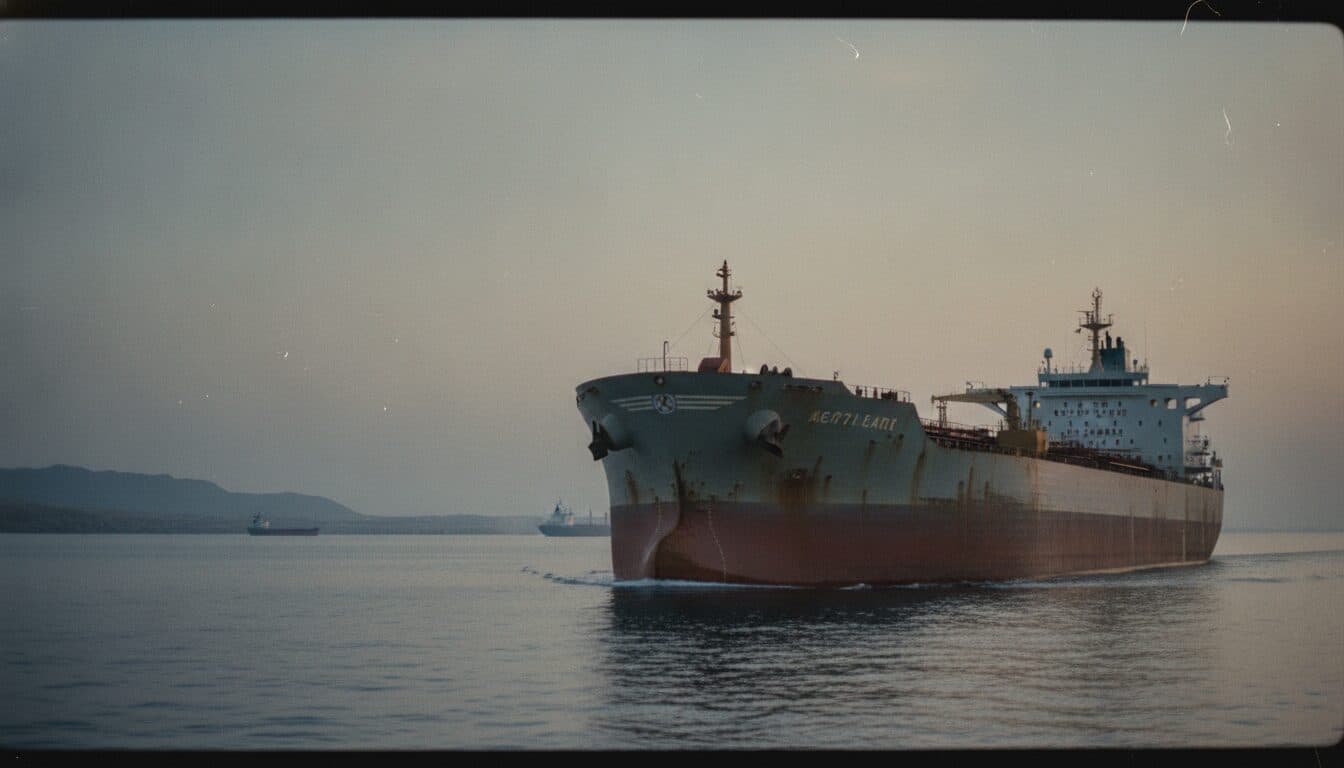
The interim agreement had quickly yielded tangible results. Iranian crude oil tankers were reportedly already moving through the Strait of Hormuz, marking the first such exports in two months. Global oil prices initially reacted positively, with Brent crude futures falling below $80 per barrel, their lowest since the Iran war began in late February. However, the burgeoning conflict between Israel and Hezbollah has injected fresh volatility into the markets, causing Brent crude futures to edge higher to US$79.85 per barrel on June 19, 2026, as concerns about potential disruptions to oil flows resurfaced.
Israel-Hezbollah Escalation Derails Peace Efforts
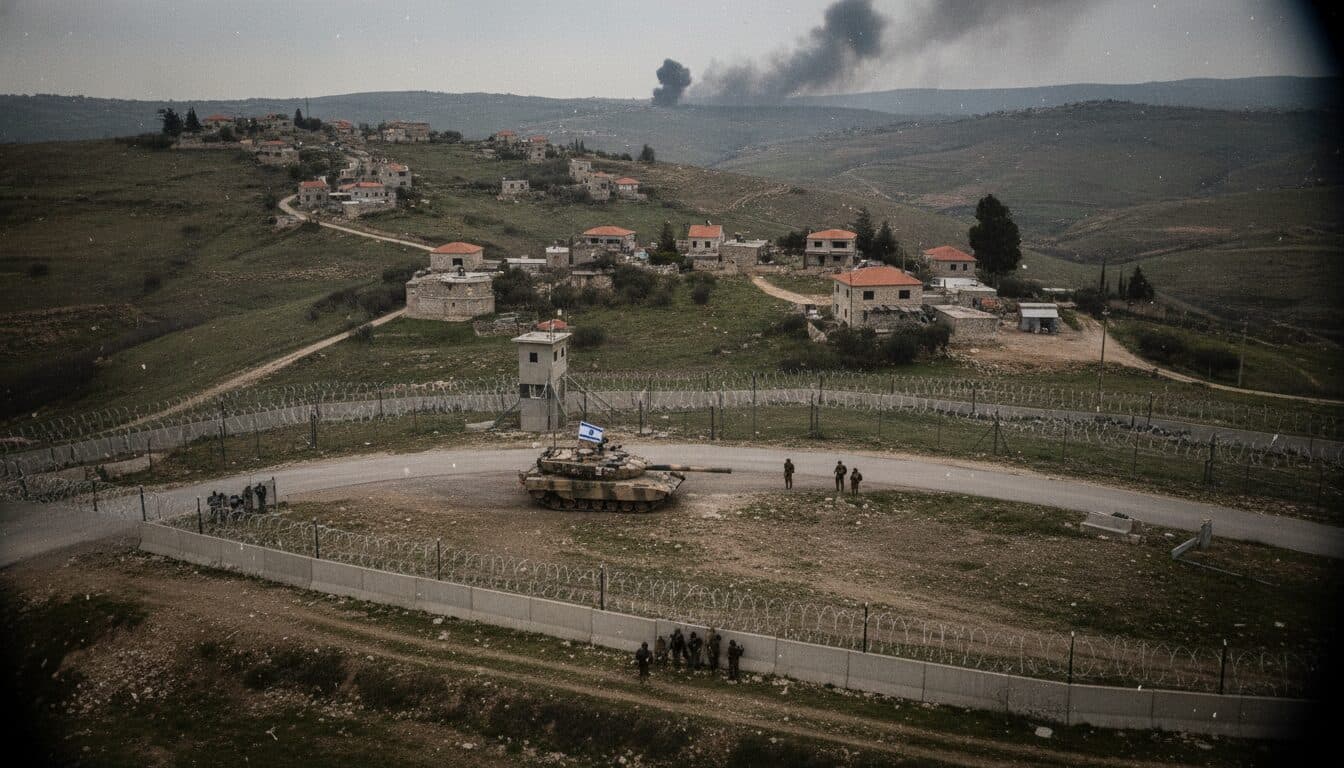
The immediate catalyst for the delay in US-Iran peace talks is the escalating violence in southern Lebanon. On June 19, 2026, Israeli airstrikes around Nabatiye killed 18 people, marking one of the deadliest attacks in weeks. Concurrently, Hezbollah reported the deaths of four Israeli military personnel, including an officer, in an attack on an Israeli tank, representing the largest reported loss for Israel since the current hostilities began. The overall death toll from this renewed conflict has now exceeded 30, largely attributed to Hezbollah drone attacks.
Israeli Prime Minister Benjamin Netanyahu has maintained a defiant stance, stating that Israeli troops will remain in Lebanon “as long as necessary” and vowing to make Hezbollah pay a “heavy price.” Israel insists it will maintain its presence until Hezbollah no longer poses a threat to its northern communities, and explicitly views the US-Iran agreement as non-binding since it was not a signatory. Far-right Israeli National Security Minister Itamar Ben Gvir reportedly called for “the whole of Lebanon to burn,” underscoring the deep-seated animosity.
Iran, for its part, has emphasized that a ceasefire in Lebanon is a crucial component of the interim deal and that Israeli forces must withdraw. Iranian Foreign Ministry spokesperson Esmaeil Baghaei had previously noted that negotiations were progressing slowly due to deep mistrust, conflicting messages from Washington, and continued Israeli military actions. This renewed violence fundamentally undermines the spirit, and indeed the letter, of the interim agreement.
The geopolitical implications are significant. The interim deal was intended to initiate a 60-day negotiation period for a more permanent agreement, addressing tougher issues such as Iran’s nuclear program and long-range missiles. The current impasse threatens to derail this process entirely, potentially plunging the region back into a state of heightened tension and conflict. The reopening of the Strait of Hormuz, vital for global oil supply, could once again be jeopardized, with reports of Iran dropping mines in the strait already fueling market anxieties.
“The swift escalation between Israel and Hezbollah, despite the US-Iran interim agreement, highlights the immense fragility of regional peace efforts. The interconnectedness of these conflicts means that a resolution in one area is often contingent on stability in another.”
For investors and businesses, the situation presents a renewed period of uncertainty. Energy markets, in particular, will remain highly sensitive to developments in the Middle East. While the initial dip in oil prices reflected optimism, the recent uptick demonstrates the market’s apprehension regarding potential supply disruptions. Companies reliant on stable shipping routes through the Strait of Hormuz will be closely monitoring the situation, as will those with investments in regional infrastructure and reconstruction efforts.
Looking ahead, the immediate priority for international diplomacy will be to de-escalate the Israel-Hezbollah conflict and salvage the US-Iran peace talks. The success of any broader peace initiative hinges on the ability of all parties to adhere to the agreed-upon terms and to demonstrate genuine commitment to de-escalation. The coming days will be critical in determining whether the interim agreement can withstand the current pressures or if the region is destined for further instability. Related trending articles will continue to track these developments closely.
The key takeaway for our readers and investors is that the path to peace in the Middle East remains fraught with peril. While the initial US-Iran interim deal offered a moment of respite, the swift resurgence of the Israel-Hezbollah conflict underscores the deep-seated regional complexities. Navigating this environment requires vigilance and a clear understanding of the interconnected geopolitical and economic forces at play. The future of global energy markets and regional stability hangs in the balance as US-Iran peace talks face an uncertain path forward.