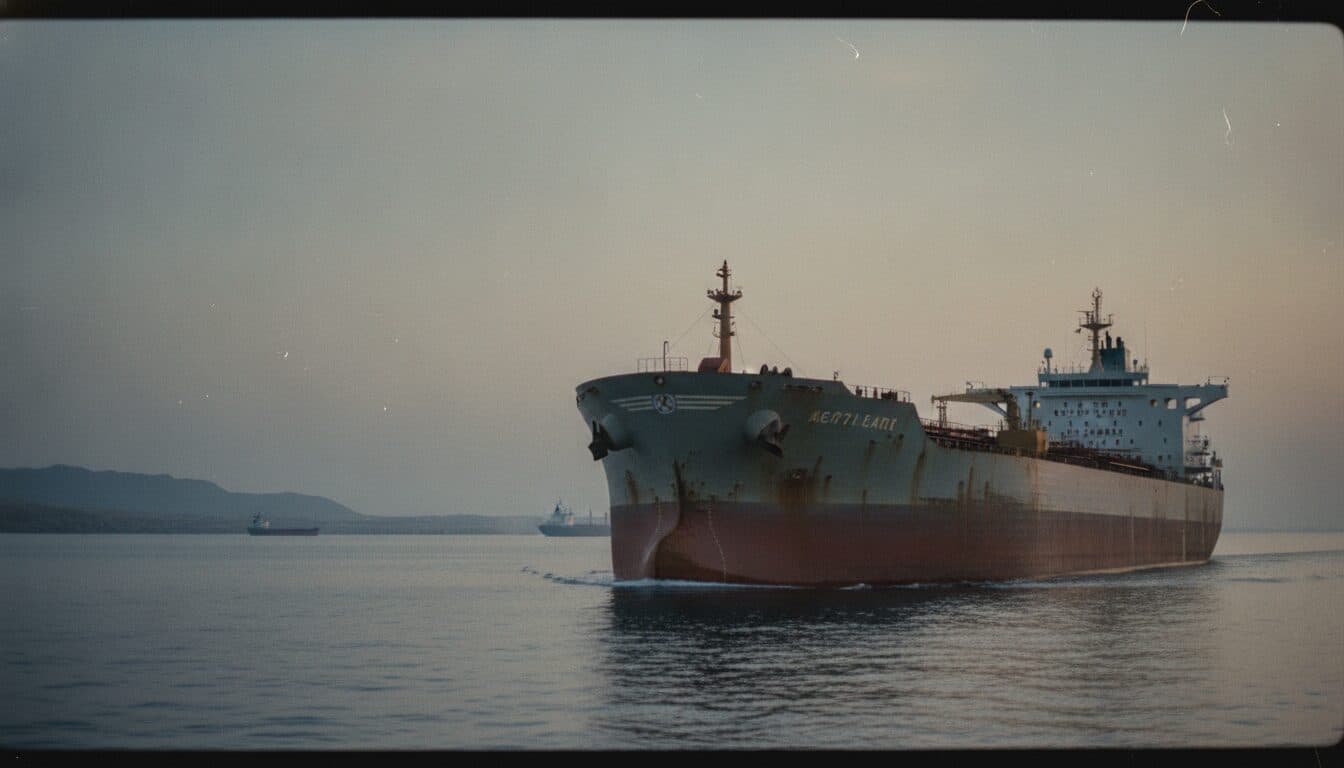
The Strait of Hormuz, a conduit for nearly a fifth of the world’s oil and liquid gas supplies, has been closed by Iran’s Khatam al-Anbiya Central Headquarters, casting a long shadow over global energy markets and dimming hopes for a fragile regional peace. The announcement, made on Saturday, June 20, 2026, cited renewed Israeli military actions in southern Lebanon, a direct challenge to an interim agreement that had only recently seen the strategic waterway reopened. This abrupt escalation comes precisely as crucial US-Iran peace talks, intended to cement a broader understanding and de-escalate regional tensions, were set to commence.
Iran’s central military command accused the United States of “bad faith” and a “clear breach of its commitments” under the recently signed memorandum of understanding (MoU). Specifically, Tehran pointed to Israel’s failure to withdraw from southern Lebanon and its ongoing military campaign there as the catalyst for the closure. The Strait of Hormuz closure immediately sent shockwaves through the global financial system, highlighting the volatile intersection of geopolitics and energy security.
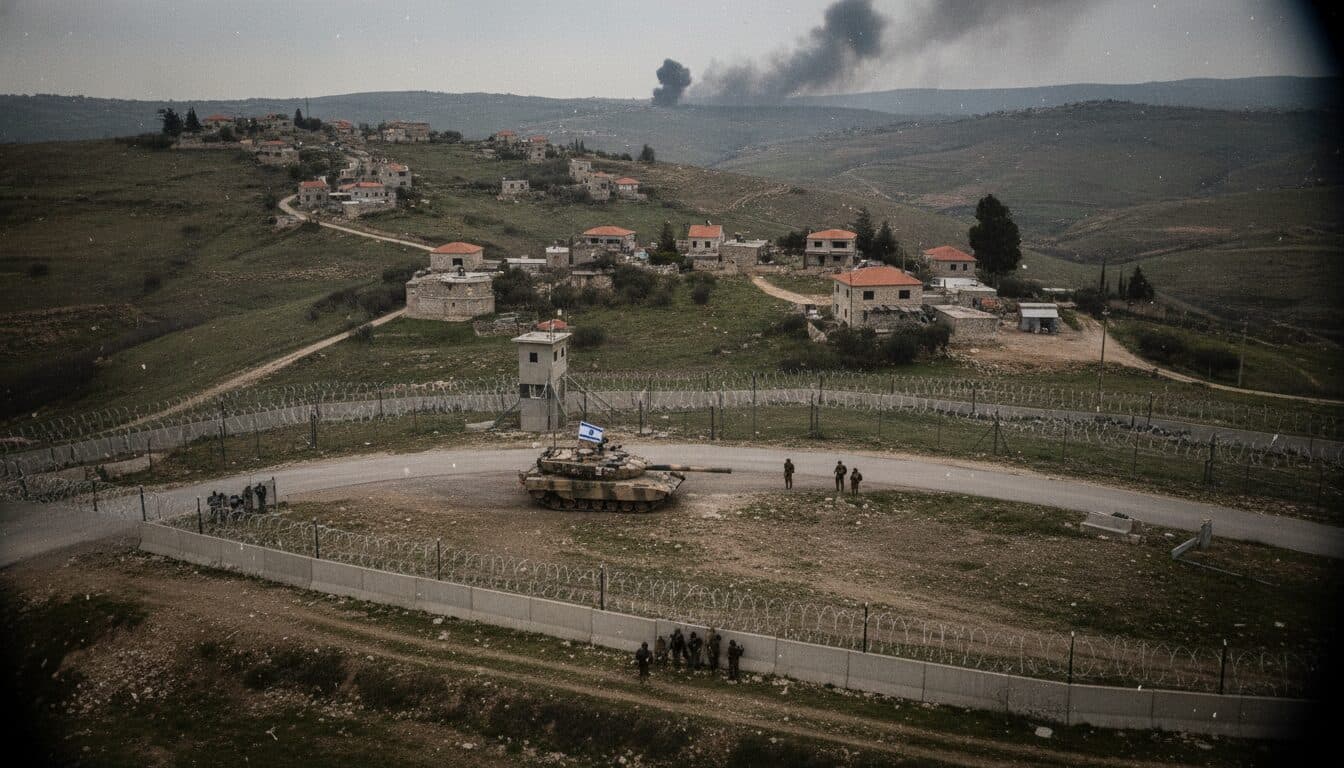
The current crisis ignited despite a ceasefire announced on Friday, June 19, 2026, brokered by the US, Qatar, and Iran. That same day, intense fighting resumed in southern Lebanon, with Hezbollah claiming responsibility for an attack near Nabatieh that killed four Israeli soldiers, including a lieutenant colonel. Israel retaliated swiftly, launching a wave of airstrikes in southern Lebanon and the Bekaa Valley, which Lebanon’s ministry of health reported killed at least 18 people, with other sources citing 47 fatalities. On Saturday, Israeli strikes in southern Lebanon killed at least 16 more. This renewed violence has effectively shattered the brief respite and jeopardized the nascent peace process.
The planned US-Iran peace talks, scheduled to begin on Friday in the Swiss village of Obbürgen, were postponed due to the escalating conflict. These negotiations were designed to initiate a 60-day window to iron out a permanent understanding over Iran’s nuclear program and, critically, ensure unimpeded oil traffic through the Strait of Hormuz. US Vice President JD Vance, initially slated to lead the Trump administration’s delegation, scrapped his Friday travel plans but stated on Saturday he expected to join US envoys Steve Witkoff and Jared Kushner in Switzerland in the “next couple of days” to resume negotiations.
The US Central Command, however, offered a contrasting view. Spokesperson Navy Capt. Tim Hawkins denied the Strait of Hormuz was closed, asserting, “Iran does not control the Strait of Hormuz” and that “Traffic continues to flow, and US forces are monitoring the situation to ensure this remains the case.” This conflicting narrative underscores the deep mistrust and divergent interpretations that plague US-Iran relations, even as diplomatic efforts are underway.
“The Strait of Hormuz closure is more than just a logistical challenge; it’s a stark reminder of the fragility of global supply chains and the immediate financial repercussions of geopolitical instability,” said a senior analyst at a major energy consulting firm.
The closure directly challenges a fragile interim peace deal signed earlier this week between the US and Iran. This 14-point memorandum of understanding, remotely signed by US President Donald Trump and Iranian President Masoud Pezeshkian, called for a cessation of hostilities on all fronts, including Lebanon, and the reopening of the Strait of Hormuz in return for the US lifting its naval blockade on Iranian ports. The current actions from both sides indicate a significant breach of this preliminary agreement.
Hezbollah maintains its refusal to halt attacks unless Israel commits to withdrawing from Lebanon, a condition Iran also states is part of the deal. Israeli Prime Minister Benjamin Netanyahu has, conversely, vowed to keep Israeli forces in southern Lebanon until the threat is eliminated, creating an intractable deadlock that threatens to further destabilize the region and global markets. The escalating tensions in the Middle East, particularly around the Strait of Hormuz, are a critical watchpoint for investors and businesses alike.
For global markets, the immediate impact of the Strait of Hormuz closure is a surge in oil prices and heightened volatility. Businesses reliant on Middle Eastern crude or shipping through the Persian Gulf face increased costs and significant supply chain disruptions. The uncertainty surrounding the US-Iran talks further exacerbates this, as the prospect of a lasting resolution appears increasingly distant. Investors will be closely monitoring any statements from Washington and Tehran, as well as the movements of naval assets in the region, for any indication of de-escalation or further confrontation.
The key takeaway for businesses and investors is the critical need for contingency planning in the face of persistent geopolitical risks. The Strait of Hormuz closure demonstrates how quickly regional conflicts can translate into global economic shocks, particularly in energy-dependent sectors. The coming days will be crucial in determining whether diplomacy can regain traction or if the region is poised for a more prolonged period of instability.