A potential end to a protracted conflict and the promise of a revitalized global energy landscape are on the horizon as a US-Iran peace deal nears formalization. Expected to be signed this Friday, June 19, 2026, in Switzerland, the framework agreement aims to halt ongoing hostilities, unfreeze Iranian assets, and crucially, reopen the Strait of Hormuz – a lifeline for global oil trade. However, the path to lasting peace is complicated by persistent Israeli concerns and a notable rift between Washington and Jerusalem.
The agreement, a culmination of intense negotiations, outlines a substantial financial package for Iran. This includes immediate waivers for Iranian crude oil and petrochemical product exports, paving the way for the nation to access over $100 billion in frozen assets held worldwide. Beyond these immediate financial injections, a significant $300 billion private investment fund has been established, with over $150 billion already committed by a diverse consortium of companies from the US, Gulf Arab states, Asia, South America, and Africa. This fund is earmarked for bolstering Iran’s economic development across vital sectors such as energy, logistics, manufacturing, and transport, distinct from any governmental grants or war reparations. US President Donald Trump has explicitly stated that the US government is not investing any public money in Iran.
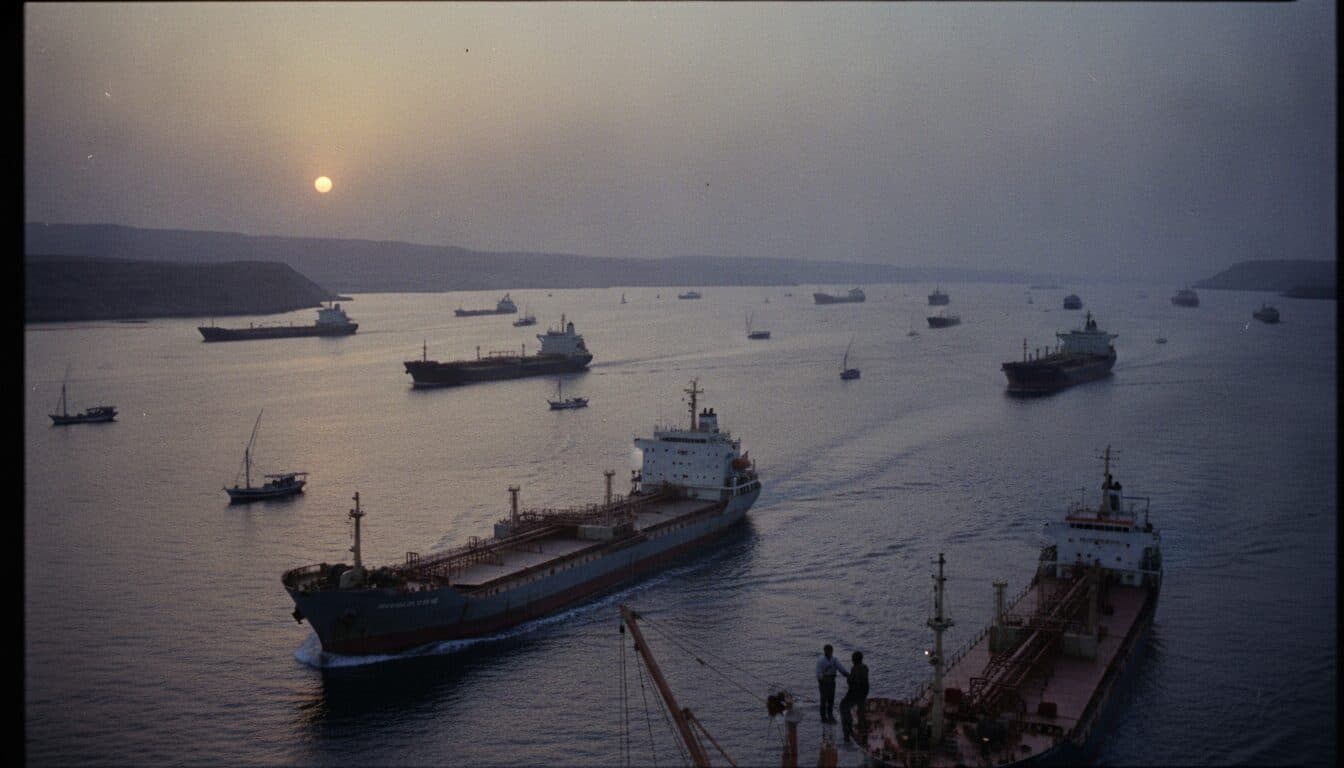
Perhaps the most immediate and impactful provision for global markets is the authorization for the immediate removal of the United States Naval blockade and the toll-free opening of the Strait of Hormuz. While President Trump initially projected an immediate reopening on Friday, Iranian officials and independent analysts suggest a more pragmatic timeline. Mine removal and the full normalization of shipping could realistically take weeks to months. Iran’s Mehr News Agency has reported a 30-day timeline for the Strait’s reopening, “under Iranian arrangements.” The cessation of hostilities is also expected to extend to various fronts, including Lebanon, marking a significant de-escalation of regional tensions.
The framework agreement also initiates a 60-day negotiating period for a permanent settlement, which critically includes discussions on Iran’s nuclear program. The overarching goal of this pact is to prevent Iran from acquiring nuclear weapons, a long-standing concern for global powers.
Israeli Concerns Cloud US-Iran Peace Deal
Despite the widespread international welcome for the US-Iran agreement, Israel remains a significant “wild card” in the peace process. Prime Minister Benjamin Netanyahu faces considerable pressure from President Trump to de-escalate conflicts in Lebanon. Trump has publicly voiced his displeasure with Israel’s recent actions in Lebanon, labeling strikes in Beirut as “vicious” and warning that continued escalation could jeopardize the broader peace deal. This public criticism underscores a growing divergence in strategic priorities between the two long-standing allies.
“The path to lasting peace in the Middle East hinges not just on signed agreements, but on navigating the complex web of regional security concerns, particularly those of Israel. The current US-Israel dynamic is a critical determinant of the deal’s ultimate success.”
Iran, through its Foreign Minister Abbas Araghchi, has explicitly linked a lasting peace agreement to the withdrawal of Israeli forces from territories occupied in Lebanon. Hezbollah officials have echoed this sentiment, indicating Iran’s intent to press this issue in future talks with Washington. However, Israeli officials, including Netanyahu, have unequivocally rejected this condition, asserting their right to remain in “security zones” in Lebanon “as long as necessary.” This fundamental disagreement poses a considerable challenge to the comprehensive implementation of the peace deal.
The anticipated return of Iranian oil to global markets has already sent ripples through the energy sector. Brent crude futures plummeted below $80 per barrel, reaching their lowest point since early March, a sharp decline from a May peak of $126.41. This drop reflects reduced concerns about disruptions to global oil supplies and the imminent influx of Iranian crude. However, analysts caution that a full return to pre-war oil prices may take months, factoring in the time required for mine clearance in the Strait of Hormuz and the necessary replenishment of global inventories. Iran has also indicated that traffic through the Strait of Hormuz would be regulated jointly with Oman, potentially including a transit toll, which could introduce new variables for future shipping costs and overall market stability.
International reactions to the US-Iran agreement have been overwhelmingly positive. G7 leaders, convening in France, have hailed the deal as a “historic opportunity” for peace and security in the region and a crucial step in preventing Iran from acquiring nuclear weapons. They have pledged their support for its implementation and emphasized the imperative for the Strait of Hormuz to remain toll-free. Canadian Prime Minister Mark Carney succinctly described the deal as a “game changer,” underscoring its profound geopolitical and economic implications.
Looking ahead, the next 60 days will be crucial as negotiations commence on Iran’s nuclear program, a core tenet of the broader settlement. The successful navigation of Israeli concerns and the practicalities of reopening the Strait of Hormuz will determine the true impact and longevity of this significant US-Iran peace deal. Investors and global markets will be closely watching for signs of sustained de-escalation and the smooth resumption of Iranian oil flows, while diplomats work to bridge the remaining divides.