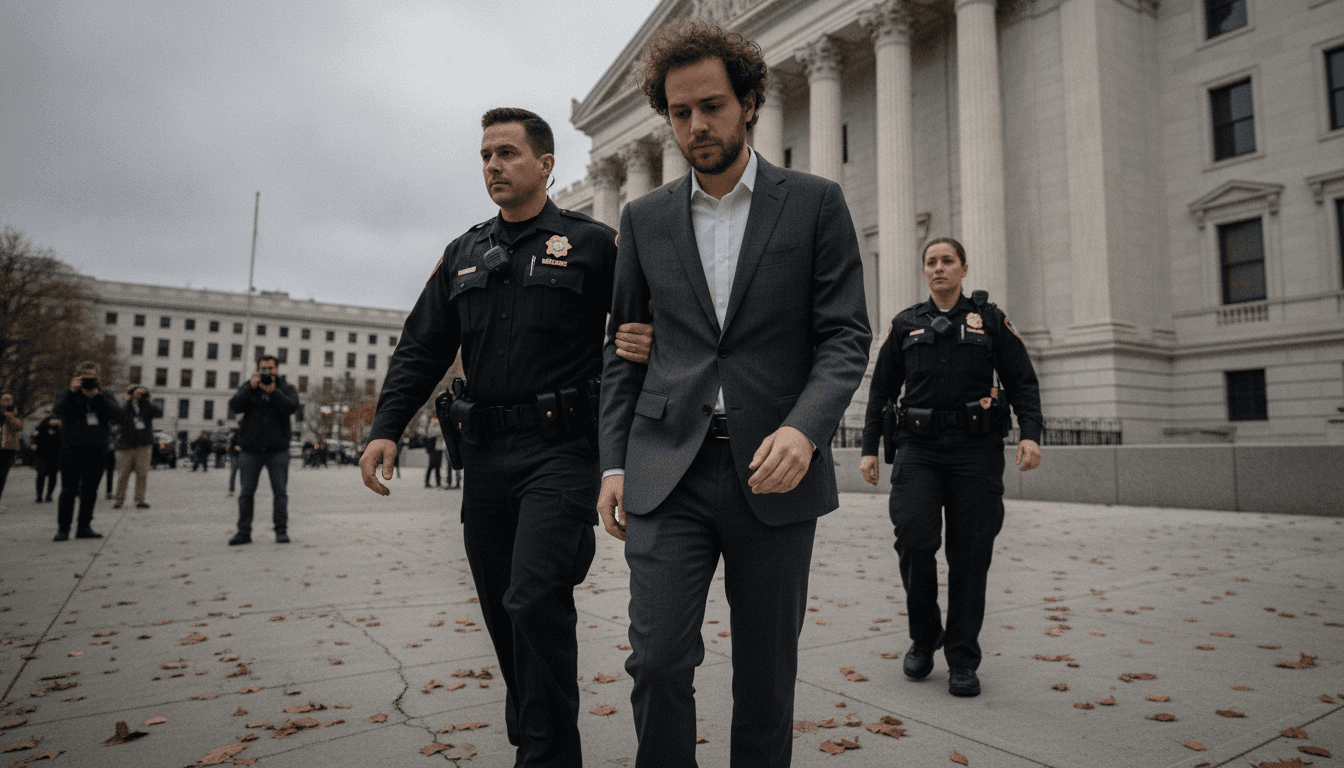
A money laundering conviction has led to jail time and probation for suspended Fort Bend County Judge KP George, marking a significant fall from grace for a prominent public official. The sentencing, handed down on Wednesday, June 17, 2026, concludes a legal battle that exposed financial misconduct at the highest levels of local government. While the exact scale of the fraud in terms of total stolen funds or number of direct victims beyond the general public trust has not been fully detailed in the immediate aftermath of the sentencing, the very nature of money laundering implies an underlying illicit financial activity that corrodes public confidence and distorts economic integrity.
The Scheme Unraveled: KP George’s Money Laundering Conviction
KP George, previously serving as a Fort Bend County Judge, found himself at the center of a federal investigation that culminated in a money laundering conviction. The specifics of how the scheme operated, including the methods of concealment and the financial pathways used, have been central to the prosecution’s case. Money laundering typically involves disguising the origins of illegally obtained money, often by funneling it through legitimate-looking transactions to make it appear clean. For a public official, such activities often raise questions about the misuse of power, influence peddling, or illicit gains from other undisclosed sources. The case against George underscores the vigilance required to maintain transparency and accountability in public office.
“The conviction of a sitting judge for money laundering sends a clear message: no one is above the law, regardless of their position or power.”
The victims in cases of public official misconduct involving financial crimes are often the taxpayers and the broader community, who suffer from a breach of trust and the potential diversion of public resources. While direct individual victims might not be named in the context of a money laundering conviction without further details, the integrity of the financial system and public administration is undeniably compromised. Such actions can lead to a loss of faith in governmental institutions and create an environment ripe for further corruption, impacting economic development and social equity. The deception lies in the covert nature of the financial transactions, designed to evade detection and scrutiny.
Discovery and Investigation
The process by which the fraud was discovered and subsequently investigated remains a critical component of this story. While the source material does not detail the specific trigger for the investigation, financial crimes often come to light through whistleblower tips, suspicious activity reports filed by financial institutions, or proactive investigations by federal agencies. Law enforcement, likely including federal prosecutors and agencies specializing in financial crimes, would have meticulously traced financial transactions, examined bank records, and potentially utilized surveillance and interviews to build their case. The evidence gathered would have been compelling enough to secure a money laundering conviction against a high-profile individual. This diligent investigative work is crucial in uncovering complex financial schemes that are deliberately designed to be opaque. Related fraud investigations often highlight the sophisticated methods employed by perpetrators and the equally sophisticated techniques used by investigators.
Consequences and Accountability
The sentencing of KP George includes both jail time and probation, reflecting the serious nature of the money laundering conviction. While the exact duration of the jail sentence and the terms of probation are not specified in the provided information, these penalties serve as a deterrent and a measure of justice for the crimes committed. Beyond the direct judicial consequences, such a conviction typically leads to the permanent removal from public office and significant damage to one’s reputation and career. Asset recovery, though not explicitly mentioned, is often pursued in financial fraud cases to seize ill-gotten gains and potentially compensate victims or the public purse. This outcome underscores the rigorous enforcement of financial laws and the commitment to holding public officials accountable for their actions.
Lessons from the Fort Bend Case
The case of suspended Fort Bend County Judge KP George offers crucial lessons and highlights red flags for both public officials and the general public. For those in positions of power, it reinforces the absolute necessity of transparency, ethical conduct, and strict adherence to financial regulations. Any unusual or complex financial transactions involving public funds or personal finances that seem disproportionate to known income should raise immediate concerns. For the public, vigilance is key. Citizens should pay attention to the financial dealings of their elected officials, demand accountability, and report any suspicious activities to appropriate authorities. The swift and decisive action taken in this money laundering conviction demonstrates that even high-ranking officials are not immune to justice, serving as a stark reminder of the consequences of financial misconduct and the enduring importance of maintaining public trust in governance.