A precarious calm has settled over the volatile Israel-Lebanon border, following the renewal of a ceasefire between Israel and Hezbollah on Friday, June 19, 2026. This fragile truce, mediated by the United States, Iran, and Qatar, arrived just as a deadly flare-up threatened to derail broader diplomatic efforts aimed at de-escalating regional tensions and resolving the long-standing U.S.-Iran conflict.
The renewed ceasefire comes on the heels of intense hostilities that saw four Israeli soldiers, including a battalion commander, killed in a Hezbollah tank attack in the Lebanese village of Kfar Tebnit. Israel retaliated with extensive airstrikes across southern and eastern Lebanon, targeting Hezbollah positions. Lebanese authorities reported that these Israeli strikes resulted in at least 47 deaths and 97 wounded, though figures did not differentiate between civilians and combatants. Since March 2026, the ongoing conflict in Lebanon has claimed at least 3,912 lives, wounded 11,873, and displaced over a million people. Hezbollah attacks, in turn, have killed at least 34 IDF soldiers and four Israeli civilians during the same period.
The timing of the escalation was particularly disruptive, directly impacting scheduled U.S.-Iran negotiations in Switzerland, which were postponed. These critical talks were intended to discuss the implementation of a recently signed memorandum of understanding (MoU) on June 18, 2026. That MoU aimed at achieving an “immediate and permanent termination of military operations on all fronts, including in Lebanon,” resolving Iran’s nuclear program, and easing sanctions. The renewed ceasefire between Israel and Hezbollah is therefore a critical, albeit temporary, relief valve for a region teetering on the brink.
The economic implications of such instability are profound. Energy markets, already sensitive to Middle Eastern geopolitics, react sharply to any escalation, driving up oil and gas prices. Supply chain disruptions, particularly through the Suez Canal, become a looming threat, impacting global trade. Furthermore, investor confidence in the region, and even in broader emerging markets, can be severely eroded, leading to capital flight and increased risk premiums for businesses operating or planning to invest in the area. The postponement of the U.S.-Iran talks, which hold the promise of easing sanctions and potentially opening up new economic avenues, represents a lost opportunity for market stability and growth.
This latest round of violence and subsequent ceasefire is not an isolated incident but rather a recurring chapter in a protracted conflict. A previous ceasefire between Israel and Lebanon was established on April 16, 2026, as part of a U.S.-brokered agreement to halt hostilities in the 2026 Lebanon war and the wider regional conflict linked to the 2026 Iran war. This initial truce had been extended multiple times, underscoring the inherent fragility of any peace arrangement without addressing the core grievances.
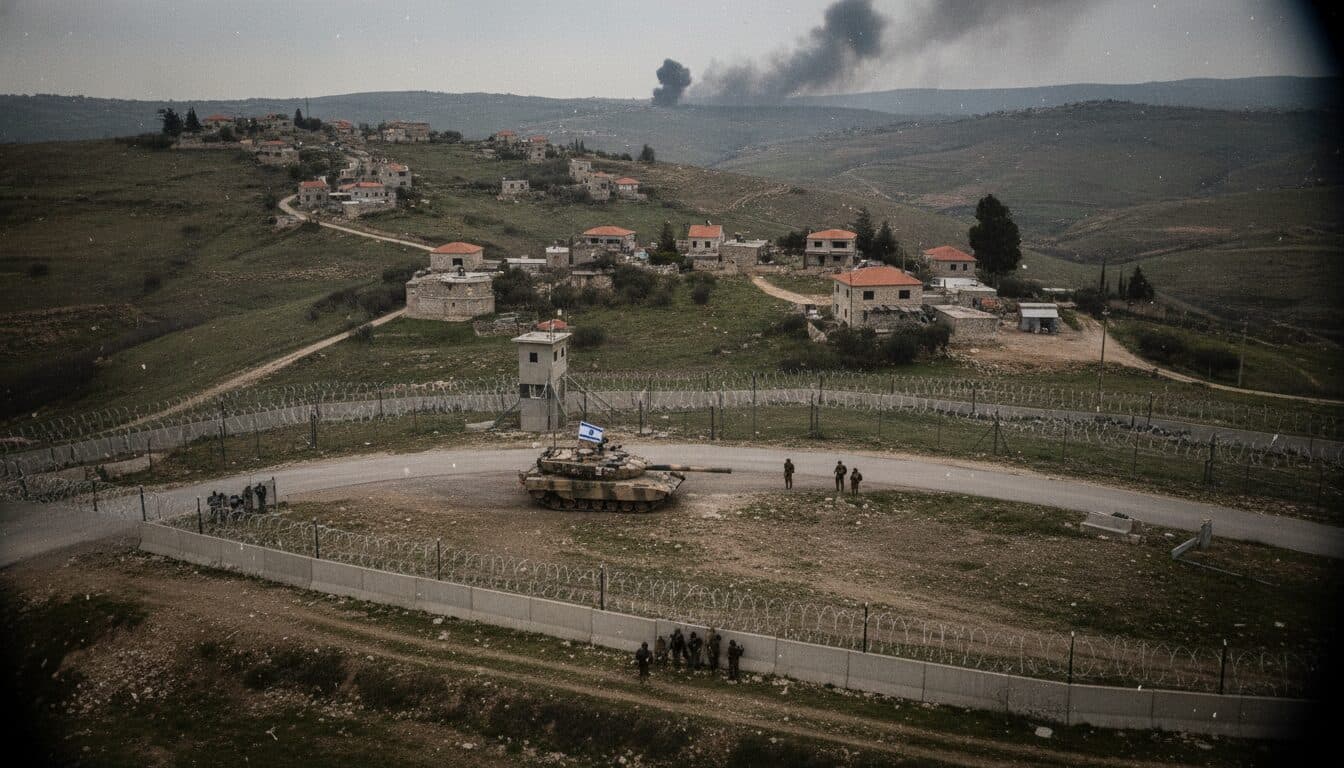
A major point of contention remains Israel’s establishment of a “security zone” extending approximately six miles into southern Lebanon. Israeli Prime Minister Benjamin Netanyahu has stated that the Israel Defense Forces would maintain this buffer zone “for as long as required” to protect its borders. Hezbollah, however, views this occupation as justification for its continued attacks. The cycle of violence is thus perpetuated by unresolved territorial disputes and perceived threats from both sides.
“A ceasefire has entered into effect. We are remaining in the security zone, and if we are attacked — we will respond,” an anonymous Israeli official confirmed, highlighting the conditional nature of the truce.
The rhetoric surrounding the conflict further illustrates its deep-seated nature. Prime Minister Netanyahu vowed that Israel would “exact a very heavy price from Hezbollah” for the deaths of its soldiers. Finance Minister Bezalel Smotrich posted on X, “Time to open the gates of hell,” while National Security Minister Itamar Ben Gvir stated, “The whole of Lebanon must burn.” Such statements reflect the deeply entrenched hawkish sentiments within parts of the Israeli government. Conversely, Iran’s chief negotiator, Mohammad Bagher Ghalibaf, warned against any breach of the U.S.-Iran agreement, threatening a “decisive response… to the enemy.”
Looking ahead, the path to lasting peace remains fraught with challenges. While the renewed ceasefire between Israel and Hezbollah provides a temporary reprieve, the underlying issues persist. Lebanese official media reported fresh Israeli strikes in southern Lebanon on Saturday, June 20, killing several people, including a Lebanese army soldier, indicating the truce is tenuous and easily disrupted. The resumption of the U.S.-Iran talks, once rescheduled, will be critical. Their success hinges not only on diplomatic skill but also on the ability of all parties to maintain de-escalation on the ground. Any further flare-ups could not only scuttle these negotiations but also plunge the wider region into a more significant conflict.
For investors and businesses, the situation demands constant vigilance. The interconnectedness of regional conflicts means that a localized flare-up can rapidly cascade into broader instability, impacting global markets and trade. While the renewed ceasefire offers a moment of reduced tension, the fundamental drivers of conflict – territorial disputes, proxy warfare, and the nuclear ambitions of regional powers – remain potent. The long-term outlook for regional stability and economic predictability will largely depend on the sustained commitment of all parties to diplomatic solutions over military confrontation, a commitment that has proven elusive for decades.