Global markets breathed a collective sigh of relief today as the United States and Iran formally signed an initial peace deal, immediately triggering the reopening of the crucial Strait of Hormuz. The agreement, mediated by Pakistan Prime Minister Shehbaz Sharif, marks a significant de-escalation of a conflict that has roiled international relations and energy supplies for nearly four months, and its economic and geopolitical implications are already reverberating worldwide.
The interim peace agreement, dubbed the Islamabad Memorandum of Understanding (MoU), was digitally inked by U.S. President Donald Trump in Versailles, France, and Iranian President Masoud Pezeshkian in Tehran, Iran, on Thursday, June 18, 2026. This expedited signing, originally slated for Friday in Switzerland, underscores the urgency both sides placed on ending hostilities and restoring stability. Prime Minister Sharif confirmed the MoU would “enter into force with immediate effect,” leading to Iran’s “instantly reopen[ing]” the Strait of Hormuz and the U.S. “immediately lift[ing] the naval blockade” of Iranian ports.
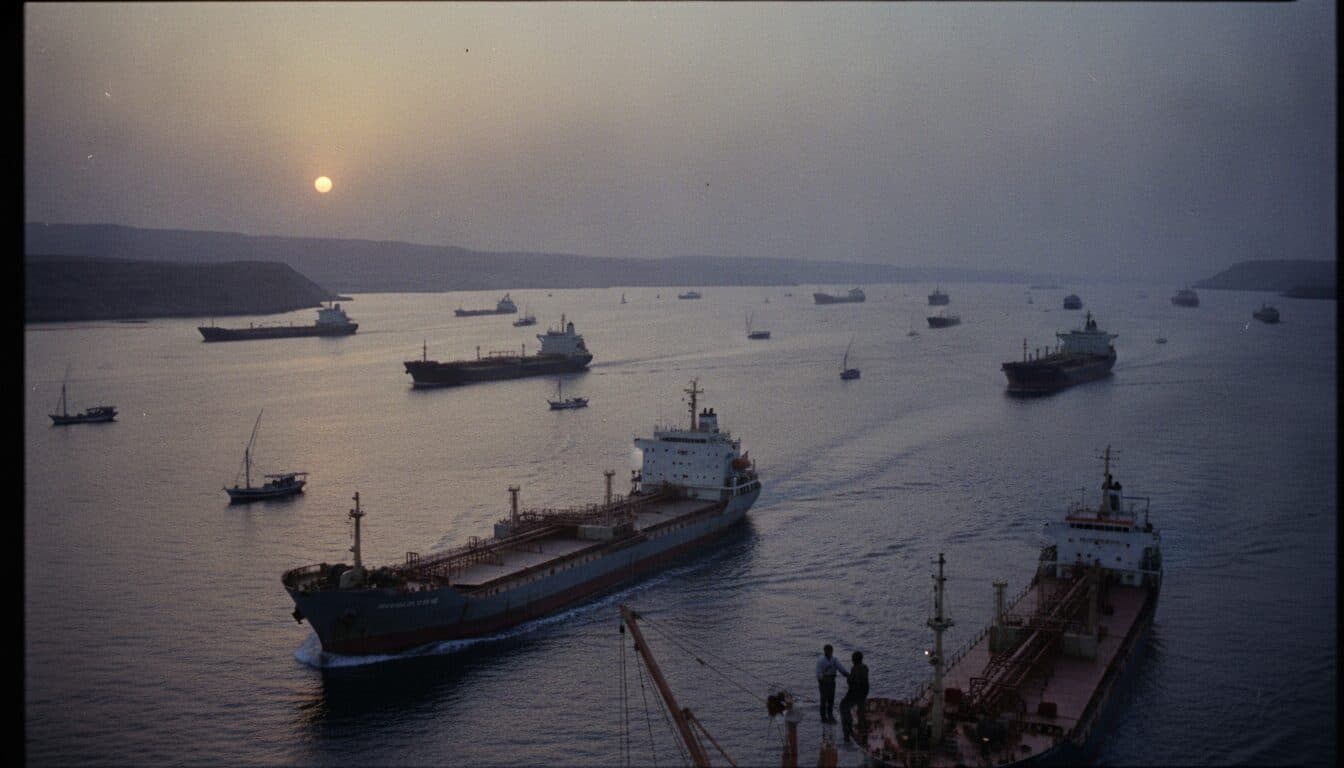
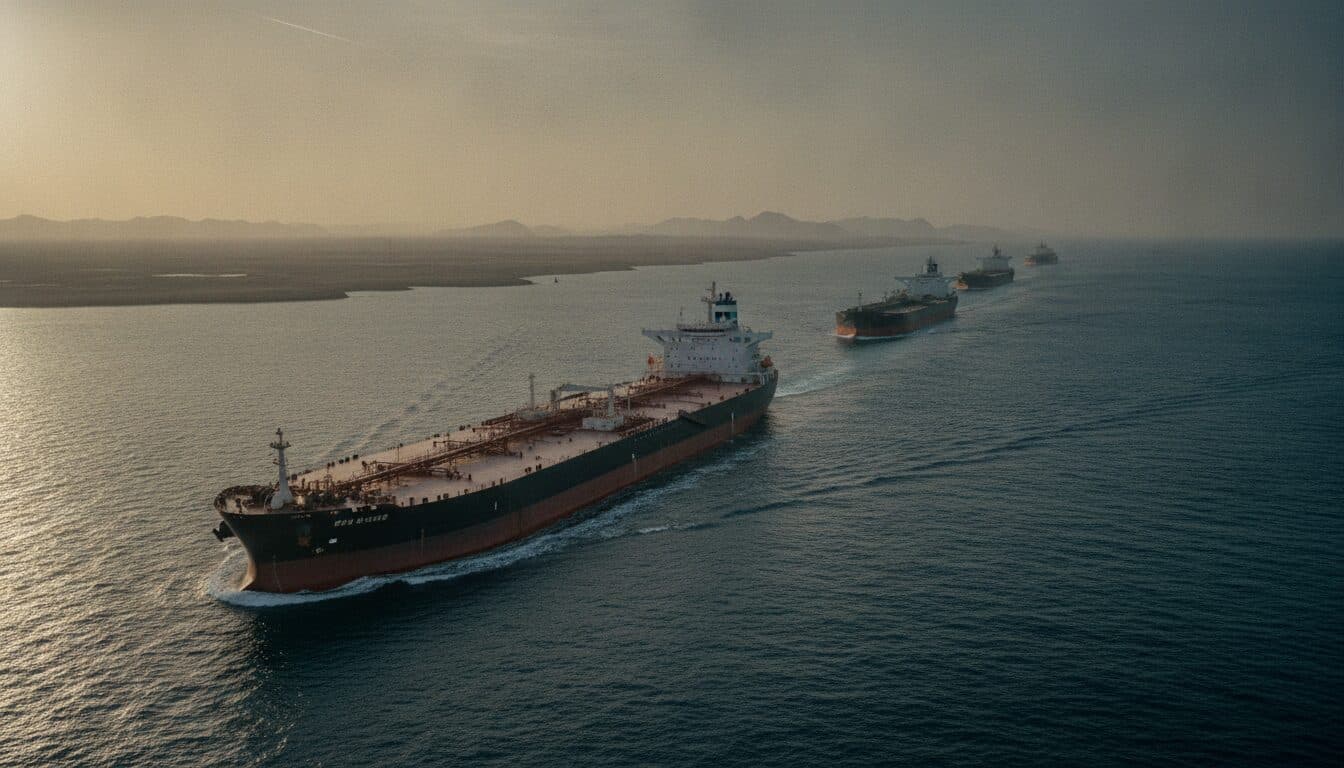
The Strait of Hormuz, a narrow waterway through which approximately 20% of global oil supplies transit, has been at the heart of the recent conflict’s economic fallout. Its closure or severe restriction led to unprecedented volatility and soaring prices in the energy sector. Iran has committed to restoring vessel movement to pre-war levels within 30 days and will allow toll-free passage for 60 days, though Iranian officials have hinted at potential transit fees thereafter. This rapid return to normalcy for the Strait of Hormuz is the immediate and most impactful outcome for global trade and energy security.
Beyond the Strait of Hormuz, the 14-point agreement declares an “immediate and permanent termination of military operations on all fronts,” including in Lebanon, where fighting between Israel and Hezbollah had been ongoing. The deal requires Iran to rein in Hezbollah, a critical stipulation, though Israel retains the right to respond to attacks. This cessation of hostilities offers a glimmer of hope for broader regional stability after months of deadly clashes.
Economically, the MoU provides significant concessions to Iran, most notably allowing it to sell its oil freely in global markets. While a full lifting of sanctions remains a negotiation point for a comprehensive deal, the U.S. Treasury Department will issue waivers for the export of Iranian crude oil, petroleum products, and associated services, including banking and transportation. This move, coupled with the “fully available” use of Iran’s frozen or restricted assets, estimated at “at least $24 billion,” injects much-needed liquidity into the Iranian economy. Furthermore, the agreement paves the way for a “definitive, mutually agreed plan with at least $300 billion for the reconstruction and economic development of the Islamic Republic of Iran.” President Trump has clarified that the U.S. will not contribute to this fund but will not prevent allies from doing so.
The market’s reaction to the news was swift and decisive. Brent crude prices fell to $77.73, down 2.3%, while U.S. West Texas Intermediate (WTI) dropped to $74.70, a 2.7% decrease. Both contracts have plummeted over 15% since last week, nearing pre-war levels, as the prospect of increased supply eased fears. Asian stock markets, including Japan’s Nikkei 225 and South Korea’s Kospi, surged on the news, reflecting renewed investor confidence in global economic stability. Related trending articles show broad market optimism.
“The reopening of the Strait of Hormuz and the immediate easing of oil sanctions are game-changers for global energy markets. This deal, however interim, provides a much-needed injection of certainty into an otherwise volatile landscape.”
The agreement initiates a 60-day window for the U.S. and Iran to negotiate a final, comprehensive deal. Future discussions will undoubtedly focus on constraining Iran’s nuclear ambitions and the full scope of sanctions relief. While Iran has agreed to “down-blend” its enriched uranium stockpile, some reports suggest the nuclear issue is not explicitly part of this initial agreement. Iran has also stated it will not ship out its highly enriched uranium and has expressed reservations about the International Atomic Energy Agency (IAEA) as a neutral arbiter, indicating potential sticking points for the next phase of negotiations.
Despite the immediate positive market reaction and the significant de-escalation of conflict, the deal has not been without its critics. Some Republicans, including Senator Bill Cassidy, lambasted the MoU as the “worst foreign policy blunder in decades,” arguing that Iran’s nuclear ambitions remained unaddressed and that threatening the Strait of Hormuz proved an effective tactic for Tehran. Other Republicans, such as Senator Thom Tillis, expressed concern over the proposed $300 billion reconstruction fund for Iran. Former Vice President Mike Pence echoed these sentiments, suggesting the MoU “smacks of appeasement.”
This peace deal concludes nearly four months of intense conflict that began after a 60-day deadline set by President Trump for Iran to reach a nuclear agreement passed without resolution in June 2025, leading to Israeli strikes against Iran. The conflict had severely impacted global energy supplies, caused price volatility, and resulted in thousands of casualties across the Middle East. The present agreement, while initial, represents a crucial step back from the brink, offering a pathway to a more stable future for the region and the global economy. Investors and policymakers will now keenly watch the upcoming 60-day negotiation period, as the devil, as always, will be in the details of the final, comprehensive agreement.