The global economy holds its breath this Thursday, May 7, 2026, as the United States and Iran stand on the precipice of a potential peace deal, a development that could dramatically reshape geopolitical stability and energy markets. This optimism, voiced by President Trump, arrives despite a backdrop of continued military friction and a de facto blockade in the strategically vital Strait of Hormuz, a critical chokepoint for global energy flows that has been largely disrupted since the U.S.-Israel war with Iran erupted on February 28, 2026.
After two months of conflict, which has claimed at least 10 crew members’ lives and damaged several merchant vessels, the prospect of peace has never seemed closer. President Trump stated on Wednesday that talks over the past 24 hours were “very good talks,” making a deal “very possible.” U.S. officials have indicated the two sides are closer to an agreement than at any point since hostilities began. Iran is currently reviewing a one-page, 14-point Memorandum of Understanding (MOU) that, if accepted, would formally end the war and pave the way for more detailed negotiations over a 30-day period. A response from Tehran is anticipated within 48 hours.
Strait of Hormuz Tensions Persist Amidst Peace Hopes
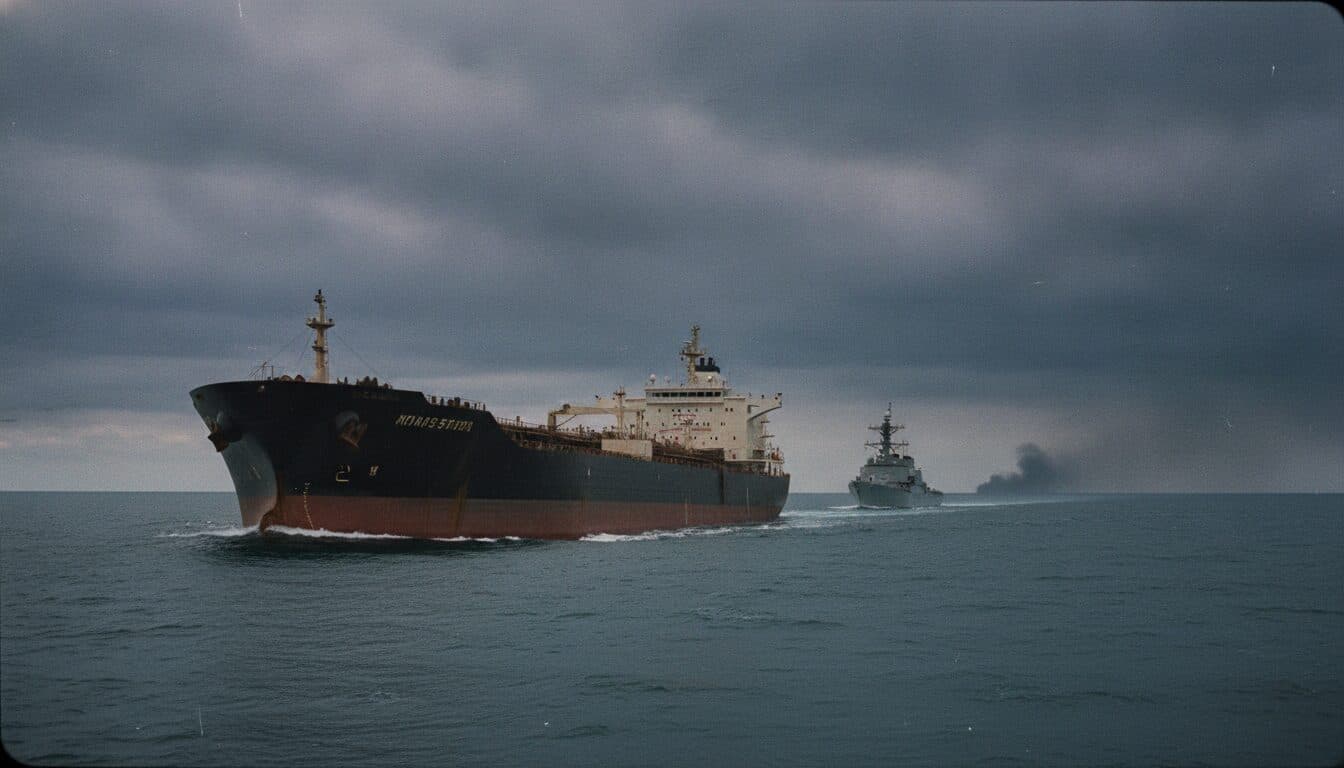
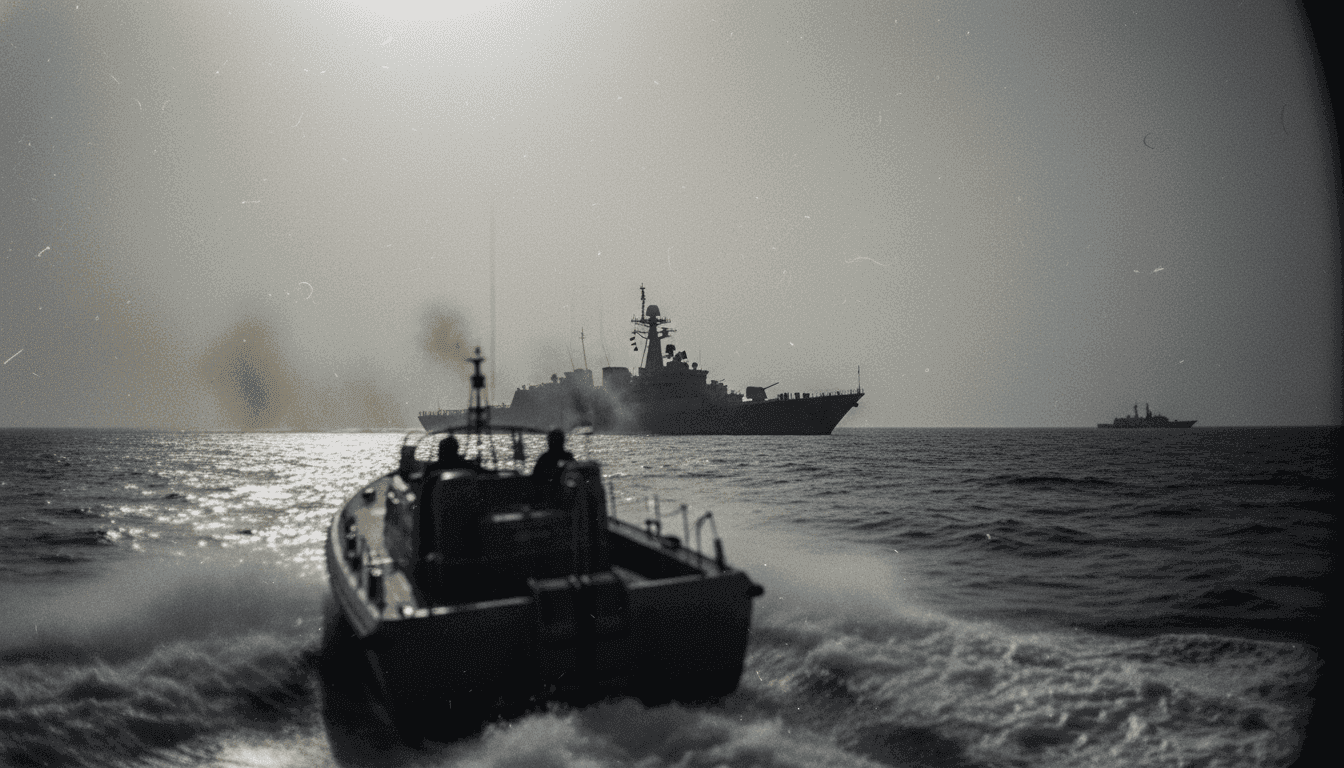
Despite the diplomatic overtures, the Strait of Hormuz tensions remain a stark reality. Iran has imposed significant restrictions on transit through the waterway, while the U.S. has maintained a naval blockade on Iranian ports since April 13. This has led to an unprecedented situation where approximately 1,500 ships and 20,000 crewmen are currently trapped in the Persian Gulf, unable to move freely. The economic fallout has been severe, with global fuel prices skyrocketing and the broader global economy rattled by the uncertainty.
Adding to the volatility, “Project Freedom,” a U.S. mission launched on Sunday, May 4, to guide stranded ships out of the Strait, was temporarily paused on Tuesday. President Trump attributed this suspension to “great progress” in the peace talks. However, reports also suggest that Saudi Arabia’s refusal to allow the U.S. military to use its bases and airspace for the operation played a significant role in its halt.
Further underscoring the precarious situation, a U.S. fighter jet reportedly fired upon and disabled an Iranian-flagged oil tanker, the M/T Hasna, in the Gulf of Oman on Wednesday. U.S. Central Command (CENTCOM) stated the tanker was attempting to bypass the U.S. naval blockade and failed to comply with multiple warnings. Such incidents highlight the fragility of the current détente and the ever-present risk of escalation.
At the heart of the proposed peace deal is Iran’s nuclear program. A key demand in the U.S. proposal is for Iran to abandon its nuclear weapons ambitions. The framework reportedly includes a moratorium on Iranian nuclear enrichment for at least 12 years, with provisions for extension if violations occur. After this period, Iran would be permitted to enrich uranium to a low level of 3.67%. The U.S. has also requested Iran remove its highly enriched uranium, potentially handing it over to the U.S. While President Trump expresses optimism, Iran’s Foreign Ministry spokesperson, Esmaeil Baghaei, stated that Tehran is still examining the latest U.S. proposal, though earlier reports indicated Iran had “strongly rejected” some U.S. demands regarding its nuclear program.
Other proposed terms in the MOU reportedly include the lifting of U.S. sanctions on Iran and the release of billions of dollars in frozen Iranian funds. In return, Iran would be expected to lift its restrictions on transit through the Strait of Hormuz, a crucial concession that would significantly ease global energy concerns.
“The dichotomy between the high-level peace talks and the kinetic actions in the Strait of Hormuz creates an unprecedented level of uncertainty for global markets. Every pronouncement from either side sends ripples through oil prices and shipping indices.”
The messaging surrounding the negotiations has been conflicting. While President Trump exudes confidence, some Iranian officials have offered a more pessimistic view, with certain voices within Tehran dismissing the U.S. proposal as an “American wish list.” Adding another layer of complexity, Iran has established a new government agency, the “Persian Gulf Strait Authority,” which aims to vet and tax vessels seeking passage through the Strait of Hormuz. This move, announced amidst peace talks, raises concerns about the erosion of freedom of navigation and could complicate any future agreements on transit. Pakistan has played a significant role as a mediator, hosting in-person discussions and serving as a conduit for messages, with Jared Kushner and Steve Witkoff representing the American team.
The path forward remains fraught with challenges. The successful navigation of these complex negotiations will require significant concessions from both sides, particularly regarding Iran’s nuclear program and the future of the Strait of Hormuz. Should a deal materialize, it would unlock billions in frozen Iranian assets and alleviate the immediate pressure on global energy markets. Conversely, a failure to reach an agreement could see a dangerous escalation of Strait of Hormuz tensions, plunging the region and the global economy into deeper uncertainty. Investors and policymakers alike will be keenly watching Tehran’s response to the U.S. proposal, as the next 48 hours could determine the trajectory of peace, or prolonged conflict, in one of the world’s most critical geopolitical hotspots.